The average time to receive an endometriosis diagnosis in the United Kingdom has now escalated to nine years and four months, marking a significant increase from the eight-year average recorded in 2020. Campaigners assert that these worsening delays underscore serious and persistent failings within the realm of women's healthcare, calling for urgent systemic reforms.
Understanding Endometriosis and Its Impact
Endometriosis is a chronic condition where cells similar to those lining the uterus grow in other parts of the body, leading to symptoms such as chronic pain, heavy bleeding, and, in many instances, infertility. The symptoms can vary widely among individuals but commonly include pelvic pain, periods that severely disrupt daily life, heavy menstrual bleeding, pain during sexual intercourse, and painful bowel movements.
Despite the severity of these symptoms, numerous women report struggling for years to have their concerns taken seriously by medical professionals. A recent survey conducted by Endometriosis UK revealed that 39 percent of respondents needed to visit their general practitioner ten times or more before the condition was even suspected. Furthermore, over half—55 percent—stated they had attended Accident and Emergency departments due to their symptoms, with 46 percent of those being sent home without receiving any treatment.
Personal Stories Highlight Systemic Issues
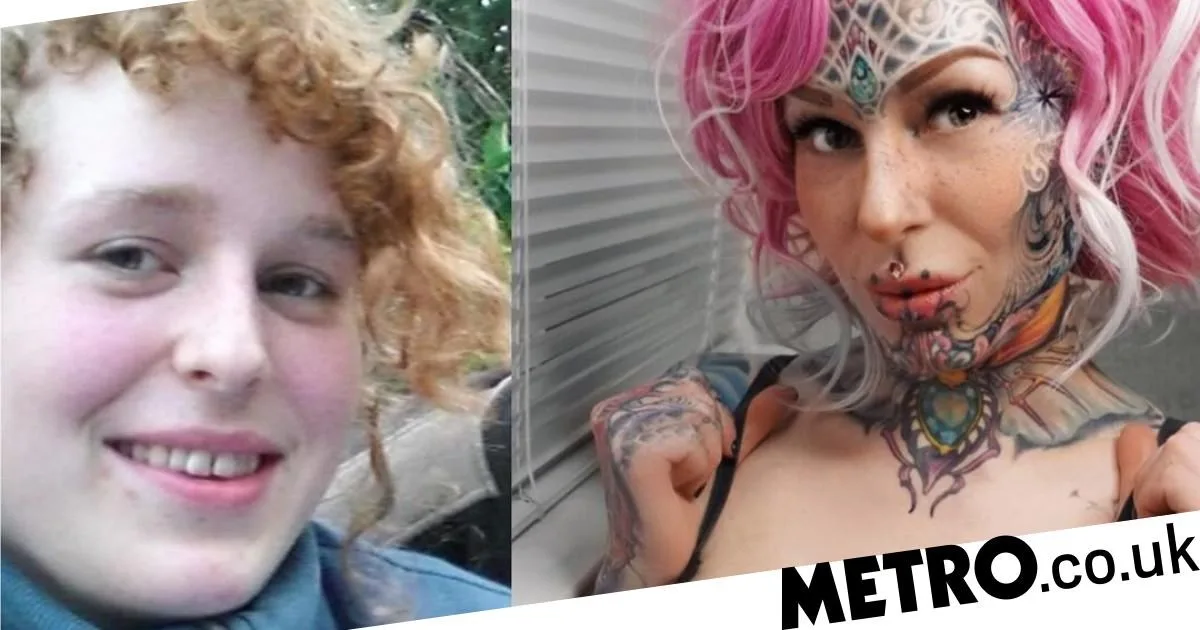
Bethany Backhouse, a 28-year-old from Stoke-on-Trent, experienced her symptoms being dismissed for six years before finally receiving a diagnosis in 2017. She recounted, 'For a long time, I was told I was too young to have endometriosis, I was told that my symptoms were just painful periods, despite passing out at school due to the pain.' Backhouse emphasized the profound impact, noting, 'It took about six years for me to get a diagnosis and it has had a huge impact on my education, my mental health, and my life.'
Similarly, Louise Spice, aged 29, described how her periods were 'painful from day one,' yet her GP repeatedly attributed her suffering to merely 'heavy periods.' She shared, 'My entire teenage memories are of pain, lying in bed and clutching a hot water bottle,' highlighting the emotional and physical toll of delayed diagnosis.
Treatment Options and Challenges
Currently, there is no cure for endometriosis. Treatment typically involves pain management or hormonal interventions such as the contraceptive pill or Mirena coil, which work by thinning the endometrial lining to suppress growth and alleviate pain. In severe cases where other treatments have proven ineffective, doctors may recommend inducing early menopause.
This can be achieved chemically using gonadotropin-releasing hormone (GnRH) antagonists to halt ovarian function or surgically via a hysterectomy. Inducing early menopause stops the production of key hormones like oestrogen, often necessitating hormone replacement therapy (HRT) to manage symptoms such as hot flushes, night sweats, and vaginal dryness. While a surgically induced menopause is permanent and precludes childbirth, a chemically induced one may be reversible.
Calls for Action and Policy Reform
Emma Cox, CEO of Endometriosis UK, stated, 'It is unacceptable that those living with endometriosis have to endure years of pain and uncertainty before receiving a diagnosis. Our findings underscore the urgent need not only for increased awareness and understanding of endometriosis and menstrual health among healthcare providers, but for this to be translated into action, with appropriate levels of resources allocated by the NHS to overcome far too long waiting lists and enable access to care where and when it's needed.'
She added, 'Endometriosis care has been neglected for too long and the situation is getting worse. Governments across the UK must treat endometriosis as a common, chronic condition that requires systematic action and we want an unequivocal commitment to reduce average diagnosis time to one year or less by 2030.'
Kirsteen Sullivan MP, Chair of the All-Party Parliamentary Group on Endometriosis, echoed these concerns, remarking, 'Whilst I am appalled by the shocking waiting times across the UK for women to receive a diagnosis for endometriosis, I am regrettably not surprised. For too long, women's health issues have been sidelined, and this must change. Endometriosis can be debilitating and devastating. Anyone suffering from this condition deserves timely and compassionate diagnosis, treatment and care.'
Endometriosis UK is advocating for all UK governments to commit to reducing the average diagnosis time to one year or less by 2030. This includes measures such as cutting gynaecology waiting lists, enhancing menstrual health education, and ensuring better training for healthcare professionals to improve recognition and management of the condition.