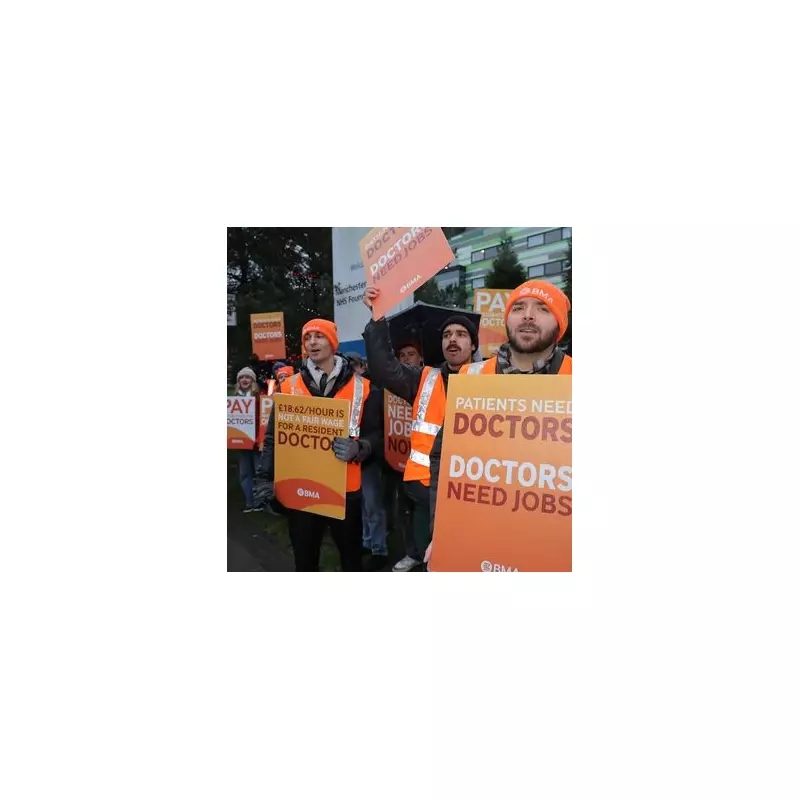
Junior doctors in England have launched a major five-day strike, plunging the NHS into a fresh crisis as it battles a severe winter surge in flu cases. The British Medical Association (BMA), which represents the medics, ordered the walkout after members rejected a last-minute deal from Health Secretary Wes Streeting.
Winter Crisis Deepens as Strike Begins
The industrial action, which started on Wednesday, could not come at a worse time for the health service. Hospitals are already grappling with a significant rise in admissions due to a so-called 'super flu' variant spreading across the country. Health leaders have warned that the impact of the strikes will be felt "into January and beyond".
This marks the 14th strike by junior doctors since 2023, in a dispute that has now lasted for 33 months. The doctors argue they are taking action to improve patient care and stem the exodus of colleagues leaving the NHS for better offers abroad.

Government and Union at "Impasse"
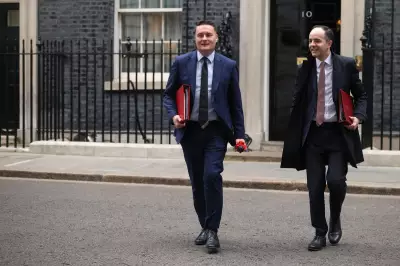
The relationship between Wes Streeting and the BMA leadership has grown increasingly bitter. The Health Secretary refused to increase the headline pay rise of 5.4% for 2025/26, leading to the collapse of talks. Speaking to broadcasters, Mr Streeting expressed regret but defended the government's position.
"We did everything we could to avert these strikes," he said. "I think people can see that I've tried my absolute best to avoid these strikes on what is the worst time for the NHS. I'm really sorry to patients for the disruption."
Hospital bosses are now pleading for external mediation. Daniel Elkeles, chief executive of NHS Providers, told Times Radio the situation had reached an "impasse" and described the atmosphere as "more and more acrimonious".
Patient Safety Concerns and Political Condemnation
Prime Minister Keir Starmer condemned the strike action during Prime Minister's Questions, labelling it "dangerous and utterly irresponsible." He urged doctors: "Don't abandon patients, work with us to improve conditions, and rebuild the NHS."
Despite the walkout, hospitals have been instructed to aim for 95% of their usual activity. However, this target is considered extremely challenging given the combined pressure of strike action and rising winter viruses. In a notable exception, some striking doctors at Nottingham University Hospitals were permitted by the BMA to return to work in maternity units due to "unique and difficult circumstances."
The rejected government offer included a fast expansion of specialist training posts and coverage for expenses like exam fees, but no additional pay. With talks between the BMA and the government concluding with "no movement" on Tuesday, the next step is negotiation with the conciliation service Acas. If that fails, a fresh ballot for further strike action is likely.