High blood pressure, traditionally viewed as an ailment of middle age, is now casting a worrying shadow over younger generations. Medical professionals are reporting a significant increase in hypertension among children and adolescents, alongside a surge in strokes among people of working age.
What is Hypertension and How is it Diagnosed?
Hypertension is the clinical term for persistently high blood pressure within the arteries, the vessels responsible for carrying blood from the heart. It is often dubbed a 'silent killer' because it can cause extensive damage throughout the body without presenting obvious symptoms.
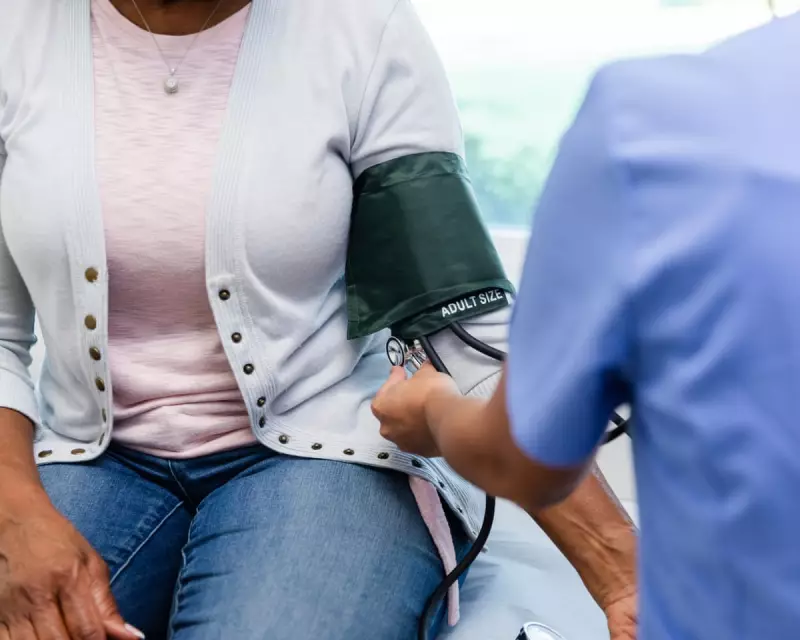
Diagnosis typically involves an inflatable cuff placed around the arm. The reading shows two numbers measured in millimetres of mercury (mm Hg). The higher, systolic pressure, indicates the force when the heart contracts. The lower, diastolic pressure, is the pressure when the heart rests between beats.

In the UK, a reading between 90/60 and 119/79 is considered healthy for adults. The threshold for high blood pressure begins at 140/90. For children, it is more complex; doctors diagnose hypertension when a child's readings are in the top 5% for their age, height, and sex.
Who is Most at Risk?
This condition is remarkably common, affecting approximately one third of adults in the UK and nearly half in the United States. The risk escalates with age as arteries naturally stiffen. Genetics and family history play a crucial role, and individuals from Black African, Black Caribbean, or South Asian backgrounds face a higher inherent risk.
Lifestyle is a major contributing factor. An unhealthy diet high in salt, being overweight or obese, physical inactivity, smoking, excessive alcohol consumption, and chronic stress can all elevate blood pressure.
Why is Hypertension So Dangerous?
The harm caused by high blood pressure is often cumulative and silent. The excessive force can lead to aneurysms, heart failure, and damage to the inner lining of arteries. This damage causes inflammation and plaque build-up, narrowing arteries and restricting blood flow. This can result in angina, heart attacks, and irregular heart rhythms.
The kidneys are particularly vulnerable, with damaged vessels potentially leading to kidney failure requiring dialysis or transplant. The eyes' tiny blood vessels are also at risk, which can cause bleeding, blurred vision, and blindness. In the brain, restricted blood flow can cause vascular dementia and strokes.
For children, the danger is equally severe, with the potential for lasting damage to the heart, kidneys, and eyes, making early diagnosis and treatment imperative.
The Alarming Trend in Children
In very young children, hypertension is usually 'secondary,' caused by underlying conditions like heart or kidney disease. However, since the 1990s, rates in children and adolescents have increased more than fourfold to around 6%.
This dramatic rise is directly linked to modern lifestyle factors: poor diet, physical inactivity, and increasing rates of childhood obesity. These elements are now adding significantly to the overall number of cases.
How to Reduce and Prevent High Blood Pressure
Beyond prescribed medication, key lifestyle changes can have a profound impact. Adopting a healthy diet rich in fresh fruit, vegetables, and low-fat dairy while minimising salt intake is crucial. It is important to avoid sugar-sweetened drinks, limit alcohol, and not smoke.
Maintaining a healthy weight is vital. Experts recommend at least one hour of moderate to vigorous exercise daily and limiting sedentary activities like watching TV or using a computer to less than two hours per day.