The Horrific 83-Day Ordeal of Hisashi Ouchi After Record Radiation Exposure
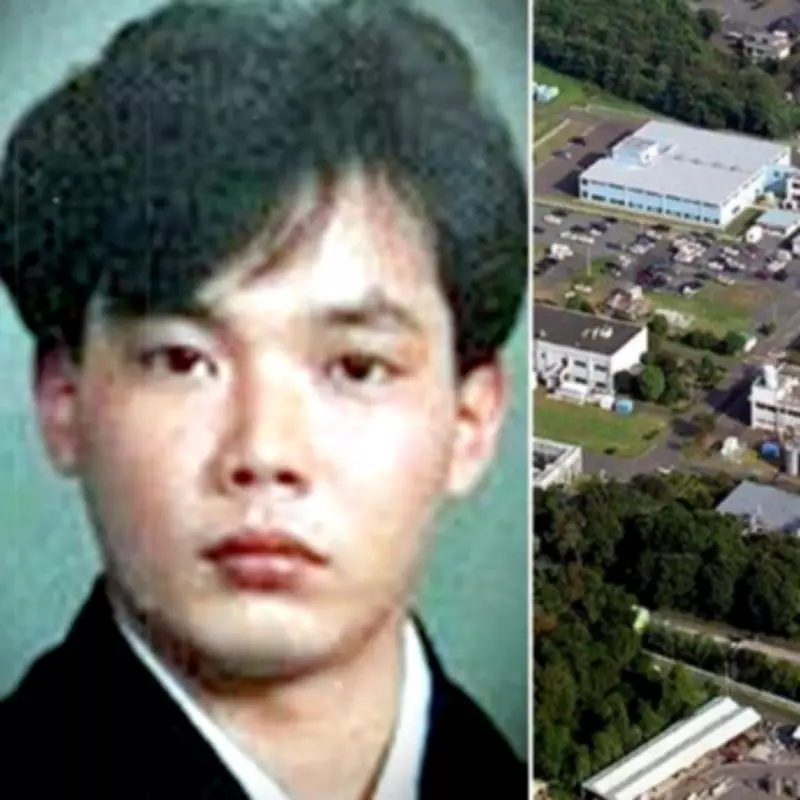
Hisashi Ouchi, a 35-year-old husband and father remembered as handsome and athletic from his rugby-playing youth, endured what has been described as the most agonising death ever documented. A senior technician at the Tokaimura uranium processing plant in Japan, approximately 110 kilometres northeast of Tokyo, Ouchi was exposed to the highest recorded dosage of radiation in human history during a catastrophic accident in 1999.
A Legacy of Neglect and a Fatal Criticality Accident
The Tokaimura plant already had a troubling history of safety failures, including a 1997 fire that exposed 37 staff members to high radiation levels. On September 30, 1999, this pattern of neglect culminated in disaster. Ouchi's colleague, Masato Shinohara, and supervisor, Yutaka Yokokawa, erroneously poured seven times the appropriate amount of uranium into a processing tank.
This mistake triggered an uncontrolled nuclear chain reaction, known as a criticality accident, which immediately unleashed deadly radiation throughout the facility. The reaction was so intense it produced an ominous blue glow in the room and set off plant safety alarms. Ouchi, who was draped over the tank assisting his colleague at the time, received the brunt of the exposure.

Unprecedented Radiation Dose and Immediate Catastrophic Effects
Ouchi was exposed to a staggering 17,000 millisieverts (mSv) of radiation in a single dose. This figure is 850 times the safe annual limit for nuclear plant workers and 140 times the exposure experienced by people living near Chernobyl after the 1986 disaster. It remains the highest radiation dose ever recorded for a human being.
The effects were instantaneous and devastating. Ouchi immediately began vomiting, choking, and struggled to remain conscious or move without assistance. He was rushed by specialist teams to the University of Tokyo hospital, where doctors documented radiation burns across most of his body and a white blood cell count nearing zero, indicating his immune system had been completely destroyed.
A Medical Nightmare: The Body Melting from Within
Six days after admission, a specialist analysis of Ouchi's bone marrow cell chromosomes revealed they had been utterly destroyed, leaving only small black specks. Despite this, medical staff embarked on a relentless campaign to keep him alive, even as his internal organs began to melt and shut down.
Ouchi was subjected to experimental procedures, including stem cell transplants and skin grafts. His condition, however, only deteriorated. His skin started to peel away and could not regenerate, leaving raw flesh and muscles exposed. He became dependent on life support to breathe. The breakdown of his stomach lining caused him to produce up to three litres of diarrhoea daily, and he could only receive nutrition through a tube.
The pain grew so excruciating that, two months into his ordeal, Ouchi's heart stopped. Doctors chose to resuscitate him against the overwhelming odds. His wife reportedly held hope that he might survive until January 1, 2000, so they could see the new millennium together.
Pleading for Mercy: "I Am Not a Guinea Pig"
As the experimental treatments continued with no hope of survival, witnesses report that Ouchi repeatedly begged his doctors to end his suffering. "I can't take it anymore," he told them, adding the heartbreaking plea, "I am not a guinea pig."
After 83 nightmarish days, his body finally succumbed on December 21, 1999. The official cause of death was multiple organ failure. His co-worker, Masato Shinohara, who also suffered severe radiation exposure, died from multiple organ failure in April 2000 at the age of 40. Supervisor Yutaka Yokokawa, who was sitting at his desk during the accident, survived.
Aftermath and Accountability for Lethal Neglect
A Japanese government investigation concluded the accident resulted from an absence of regulatory oversight, a deficient safety culture, and critically inadequate worker training. In 2003, six officials from the company operating the plant were convicted of professional negligence and violating nuclear safety laws, receiving suspended prison sentences for their lethal failures.

The case of Hisashi Ouchi stands as a harrowing testament to the catastrophic consequences of industrial negligence and raises profound, enduring questions about medical ethics and the limits of human endurance in the face of unimaginable suffering.