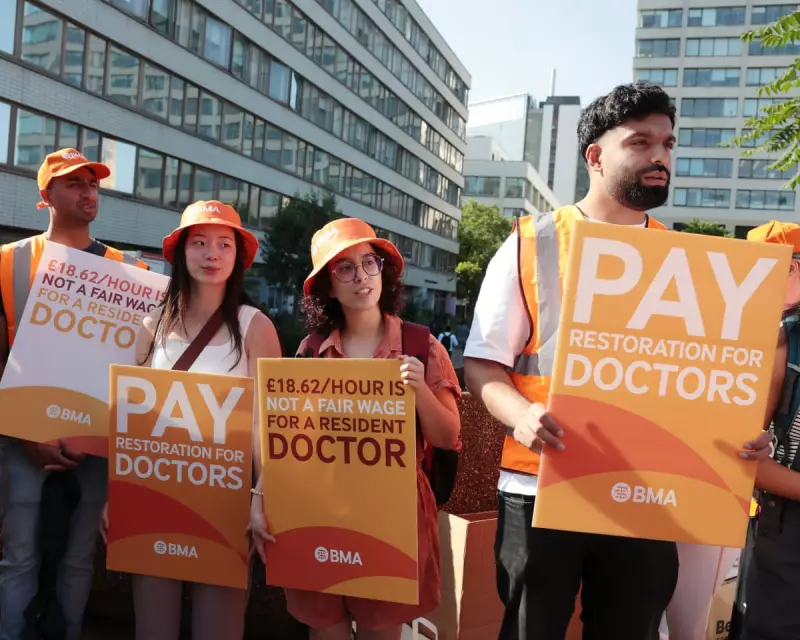
England's National Health Service is bracing for a prolonged and deeply disruptive period of industrial unrest, as striking junior doctors show no signs of backing down. With the latest round of walkouts underway, a look back at the history of pay disputes within the health service paints a sobering picture: these conflicts have a tendency to drag on for months, even years, with no quick resolution in sight.
A Historical Pattern of Protracted Conflict
The current confrontation between the British Medical Association (BMA) and the UK government is not an isolated event. It follows a familiar and painful pattern established over decades. In the 1970s, junior doctors took industrial action for a staggering 13 weeks, a marathon dispute that crippled hospital services. More recently, between 2015 and 2016, junior doctors engaged in a series of strikes over a controversial new contract, a bitter fight that lasted for over a year and caused significant operational chaos.
This historical context is crucial for understanding the present stalemate. The BMA, representing the junior doctors, has expressed profound frustration, stating the government's latest offer does not come close to addressing years of real-terms pay erosion. They argue that without a serious commitment to restoring pay levels, which they claim have fallen by over a quarter since 2008, the exodus of trained medical staff will continue, worsening the NHS's already severe staffing crisis.

The Stakes for the NHS and Patient Care
The immediate impact of the ongoing strikes is severe and measurable. Since the industrial action began in 2023, more than 1.5 million hospital appointments and procedures have been postponed. This growing backlog represents an immense burden on patients waiting in pain and anxiety, and a logistical nightmare for NHS managers trying to clear it.
Beyond the cancelled operations, the dispute strikes at the very heart of the NHS's future sustainability. Junior doctors, or resident doctors as they are also known, form the backbone of hospital care. Their mass walkouts force consultants to cover emergency and critical care, stretching senior staff to their limits and often leading to the cancellation of their own outpatient clinics and planned work. The ripple effect degrades the overall quality and capacity of the health service.
Health leaders, including those from NHS Providers, have issued stark warnings. They describe a service caught in a "vicious cycle" where pay dissatisfaction fuels staff shortages, which in turn increases the workload and burnout for those who remain, pushing more to consider leaving. Breaking this cycle, they insist, requires a credible, long-term solution to pay and working conditions, not just short-term crisis management.
Government Stance and the Road Ahead
The government, for its part, has maintained that the pay offer made is final and fair, emphasising that further increases would be unaffordable and would fuel inflation. Ministers have repeatedly urged the BMA to call off the strikes and put the latest offer to its members for a vote, a move the union has so far rejected as pointless given the significant gap between the two sides.
This deadlock is where the lessons of history become most ominous. Past disputes were only resolved after immense pressure on both sides, often involving some form of independent arbitration or a face-saving compromise after the public and political cost of continued disruption became too high. With the current government insisting its position is fixed and the BMA equally adamant that its members' worth must be recognised, the stage seems set for a war of attrition.
The fear among healthcare analysts and historians is that without a decisive intervention or a shift in stance from either party, the NHS could be in for a repeat of the lengthy battles of the past. The human and financial cost mounts with each day of action, damaging staff morale, eroding patient trust, and leaving the health service in a perpetual state of crisis management. For patients waiting for care and for the dedicated staff working under immense strain, the hope for a swift resolution is fading, replaced by the grim prospect of a dispute that, as history suggests, could indeed "go on and on".