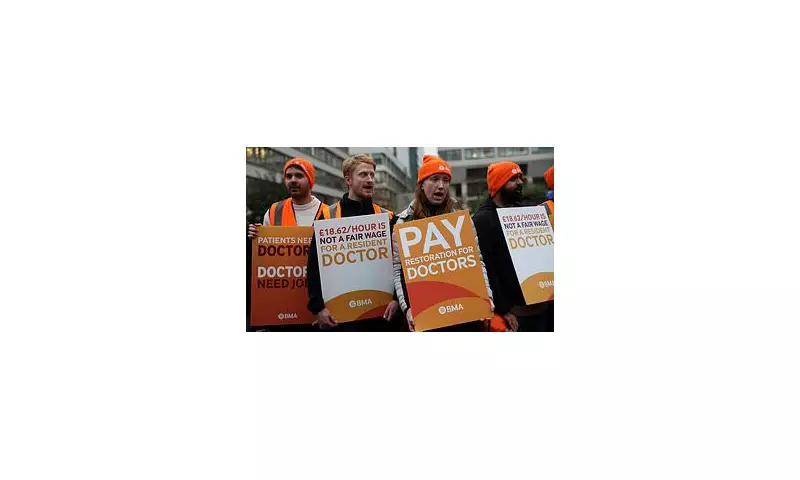
Junior doctors in England are set to walk out for five days from 7am on Wednesday, a move senior health figures have warned will abandon patients during their 'hour of greatest need' as the NHS grapples with one of its worst-ever flu seasons.
Strike Proceeds Despite 'Maximum Danger' Warnings
Members of the British Medical Association (BMA) voted overwhelmingly to proceed with industrial action, rejecting a last-ditch offer from the government. The ballot saw 83 per cent vote in favour of striking, against 17 per cent.
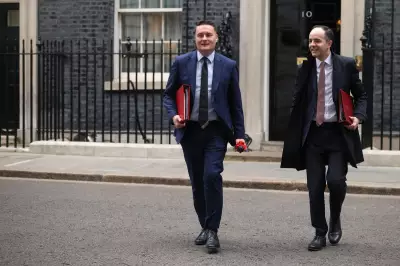
Health Secretary Wes Streeting accused the medics of timing their walkout at a moment of 'maximum danger' for the health service. He made a direct appeal for doctors to defy their union and attend work, stressing the strikes were 'self-indulgent, irresponsible and dangerous'.

'Abandoning your patients in their hour of greatest need goes against everything a career in medicine is meant to be about,' Mr Streeting said.
NHS Under Unprecedented Seasonal Pressure
The strike coincides with a severe crisis within the NHS, driven by a record 'super-flu' outbreak. The situation has become so dire that some of the hardest-hit hospitals have declared 'critical incidents', forcing ambulances to divert to other Accident and Emergency departments.
Daniel Elkeles, chief executive of NHS Providers, described the vote to strike as a 'bitter pill' that will 'inevitably result in harm to patients and damage to the NHS'.
Rory Deighton of the NHS Confederation called the decision 'bitterly disappointing', noting the action comes at the 'worst possible time' with rapidly rising flu levels creating huge strain.
Pay Dispute at the Heart of the Conflict
The government's revised offer, put forward last Wednesday, did not include additional money for pay. Instead, it focused on measures such as:
- Emergency legislation to prioritise UK medical graduates for specialty training roles.
- Increasing specialty training posts over three years from 1,000 to 4,000.
- Bringing forward 1,000 of those posts to start in 2026.
- Funding mandatory Royal College examination and membership fees.
The BMA, however, is seeking a 26 per cent pay rise, arguing this is needed to restore pay eroded over years. The government counters that junior doctors have already received a 28.9 per cent pay increase over the past three years.
Dr Jack Fletcher, chairman of the BMA's junior doctors committee, said the government's offer was 'too little, too late' and that the Health Secretary had 'fumbled' his chance to end the dispute.
Mr Streeting responded by stating the union's failure to postpone strikes until January showed a 'shocking disregard for patient safety' and proved the strikes were about an unrealistic pay demand.