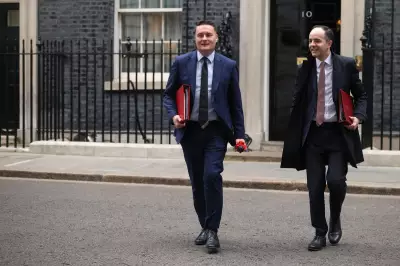
Junior doctors across England have voted decisively to proceed with planned industrial action this week, after overwhelmingly rejecting the latest offer from Health Secretary Wes Streeting. The British Medical Association (BMA) states the proposal fails to tackle the fundamental crisis in medical staffing and does nothing to halt the exodus of doctors from the National Health Service.
A Workforce Plan That Doesn't Add Up
Despite government claims, the union argues the offer will not result in more doctors treating patients on the frontline. The central pledge involves increasing specialty training posts over three years, from the 1,000 previously announced to 4,000. However, Dr Jack Fletcher, chair of the BMA's UK junior doctors committee, contends this merely repurposes existing 'locally employed doctors' rather than creating genuine new capacity.
"It will not mean more doctors on the shop floor of our A&E departments – it's just shuffling the deck chairs on a sinking ship," said Dr Fletcher, who works in acute medicine in north-east England. The scale of the bottleneck is stark: this year, an estimated 40,000 doctors will apply for roughly 10,000 specialty training places. Thousands of fully trained medics ready to care for patients will be turned away due to a lack of posts.

Patient Care Suffering Now
The consequences of these shortages are already being felt by patients nationwide. In some regions, including the north-east, critical treatments are only available during weekday office hours due to a lack of specialist staff. Accident and Emergency departments remain under immense pressure, yet the system continues to reject aspiring A&E consultants because of insufficient training places in emergency medicine.
"These problems are the result of political choices, and they are unravelling in real time," Dr Fletcher warned. Alongside the jobs crisis is the sustained erosion of pay. Junior doctors have seen the value of their salaries fall significantly over more than a decade. The BMA had sought a fair, multi-year process to begin repairing that loss but stated the government's last-minute offer contained no meaningful action on pay. Furthermore, the government is reportedly planning to impose another real-terms pay cut in early 2026 via a below-inflation uplift.
A Call for Respect and Real Negotiation
The situation has been exacerbated, doctors say, by the health secretary's recent rhetoric. Mr Streeting previously accused the BMA of "juvenile delinquency," a comment that has caused deep offence within a profession that will be working through the peak flu season and the festive period. Many junior doctors will be covering shifts over Christmas instead of spending time with family.
Accepting the current offer, Dr Fletcher argues, would lock in further decline: continued job shortages and more real-terms pay cuts that push doctors out of the NHS. The path forward requires the government to work with the profession to develop an evidence-based workforce plan, create the necessary training posts, and engage in serious pay negotiations to retain staff.
"I remain ready to negotiate and to call strike action off," Dr Fletcher stated. "But we need the secretary of state to recognise the reality we're in, to treat the profession with respect, and work with us towards a credible deal – even at this late hour." The strike is scheduled to proceed from outside institutions like St Thomas's Hospital in London, with the dispute highlighting a critical juncture for the future of the NHS workforce.