The UK government has unveiled plans to significantly widen access to a life-saving medication that can reverse opioid overdoses. A new consultation will explore supplying naloxone to hostels, day centres, and services supporting people who are homeless or sleeping rough.
Broadening the Lifeline: Where Naloxone Could Go
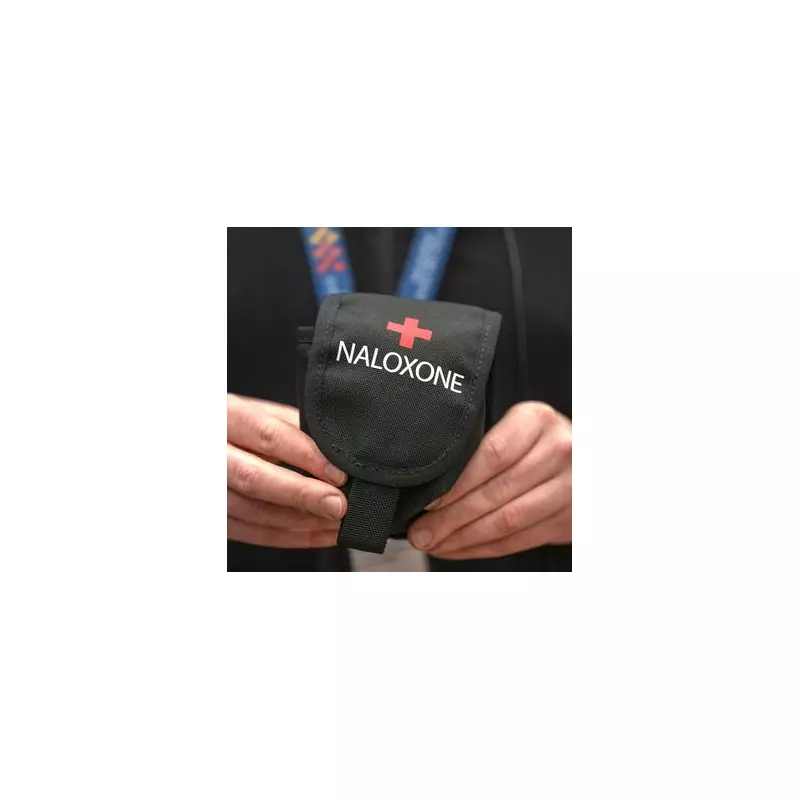
Currently a prescription-only medicine, naloxone temporarily reverses the effects of an opioid overdose, providing crucial time to call for emergency medical help. The proposed changes could see the drug made available not just in homelessness services, but also to staff in organisations like Border Force and the National Crime Agency.
Perhaps the most public-facing proposal is the potential installation of accessible emergency cabinets containing naloxone on high streets and near nightlife venues. These would operate similarly to public access defibrillator units, allowing members of the public to intervene in an emergency.

A Response to a Growing Crisis
Health Minister Karin Smyth stated: "Every drug death is a preventable tragedy. Naloxone is a safe, effective medication that can reverse an opioid overdose and give someone the chance to access treatment and rebuild their lives." She emphasised the goal is to "remove the barriers which prevent naloxone reaching the people who need it most at that moment when their life is on the line."
The move comes against a stark backdrop. The Department of Health and Social Care (DHSC) reports that drug-related deaths in England and Wales have doubled since 2012. Last year saw a record 5,448 lives lost. Deaths involving powerful synthetic opioids called nitazenes have risen sharply, from 25 reported deaths in 2023 to 180 in 2024.
Charity Welcome and Wider Context
The initiative has been welcomed by homelessness charities who have long campaigned for wider access. Sean Palmer, Executive Director of Strategy and Transformation at St Mungo’s, said the announcement provides "wider access to a vital tool for supporting people experiencing homelessness who are also using opioids."
He added: "Naloxone saves lives, it gives people the chance to recover and walk the path out of homelessness for good." He noted that at St Mungo's, outreach teams never go out without it and staff are trained to use it, frequently saving lives.
This consultation follows a change in December which expanded the range of emergency service professionals who can supply take-home naloxone to include police officers, paramedics, and probation workers. The overall effort forms part of the government's £3.4 billion fund for drug and alcohol treatment services.
The government's consultation will now seek views on changing regulations to allow these wider groups to carry and supply the emergency medication, aiming to place this critical antidote where it is most urgently needed.