GP's Failure to Act on Diabetes Concerns Led to Tragic Death of Leeds Man
A young man who repeatedly warned his doctor about potentially life-threatening diabetes symptoms died just days later after failing to receive urgent medical treatment, a coroner's inquest has revealed.
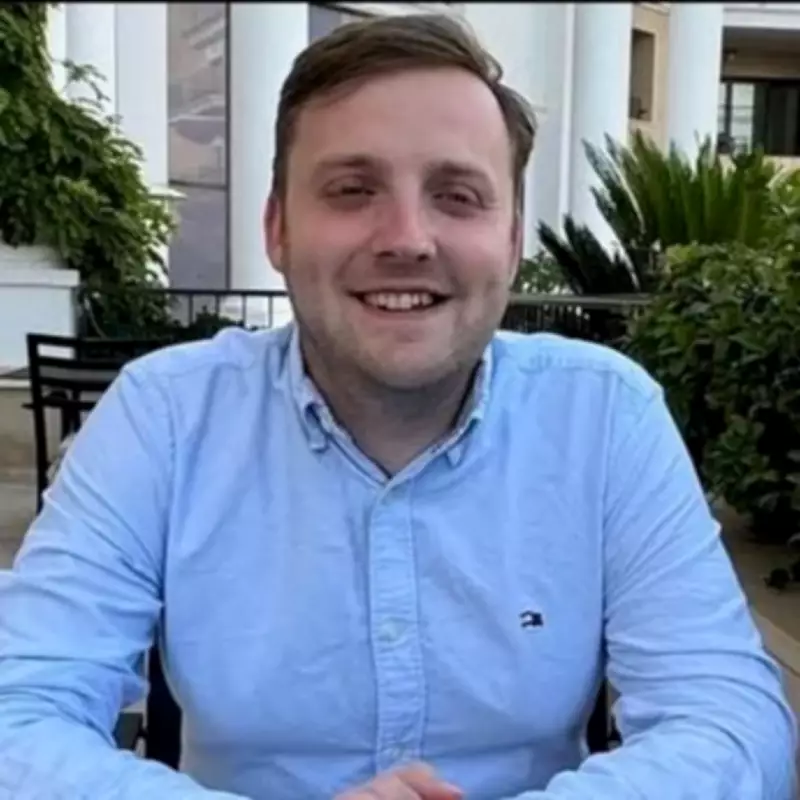
Joshua Haines, a 30-year-old surveyor from Leeds, was found dead at his home on March 19, 2025, three days after making three separate calls to his GP practice on March 16. During these calls, Mr Haines expressed serious concerns that he might be developing diabetes, despite having no previous history of the condition.
Missed Opportunities for Emergency Care
The inquest at Wakefield Coroner's Court heard that Mr Haines reported severe symptoms including dehydration, vomiting, and slurred speech during his telephone consultations. Despite these alarming indicators, the GP advised him to contact the NHS non-emergency 111 service rather than arranging an immediate face-to-face appointment or emergency response.

Assistant coroner Naomi McLoughlin identified several "missed opportunities" that could have provided Mr Haines with the "urgent medical help" he desperately needed. The coroner specifically noted the absence of a physical examination and the failure to initiate a 999 emergency call as critical oversights in his care.
Medical Evidence Points to Preventable Tragedy
Medical experts testified that Mr Haines died from diabetic ketoacidosis, a life-threatening complication typically associated with undiagnosed type 1 diabetes. Claire Lindsey of the Yorkshire Ambulance Service stated that had Mr Haines' symptoms been properly reported, he would likely have been classified as a category two emergency, requiring an ambulance response within 40 minutes.
Senior paramedic Daniel Lawton explained that emergency crews would have recognized the condition immediately, begun rehydration procedures, and transported Mr Haines to hospital for urgent treatment. An investigating doctor further testified that "red flags were missed" by the Extended Access service that Mr Haines contacted.
GP Admits Reflection and Learning
Dr Saleh Majid, who spoke with Mr Haines during all three telephone consultations, told the inquest he initially believed the symptoms indicated a stomach bug due to persistent vomiting. While he acknowledged considering diabetes as a possibility, Dr Majid stated he did not "envisage it being at a life-threatening stage" and could not assess "how far down the line he was" in developing the condition.
When questioned about potential mistakes, Dr Majid responded: "I could have done things differently on reflection. I have had time to learn and reflect on this tragic case. Things will be done differently."
Family's Devastation and Calls for Change
Mr Haines' sister, Jessica Parker, described her brother as a "rising star" with "exceptional ability" who had been fast-tracked into management positions. Speaking after the hearing, she expressed the family's profound grief: "We're deeply disappointed and devastated. All we want from this is for no family to go through what we've had to go through."
She previously told the inquest that her brother's death was preventable, adding: "His death has torn a hole through my heart. We cannot understand how he could die so suddenly."
Peter Skelton, representing the Haines family, urged the coroner to record a narrative verdict linking the missed opportunities to Mr Haines' death and to consider issuing a prevention of future deaths report. He emphasized: "The family are very serious that there have been some very serious failures of care with the most extreme of consequences: the needless death of a young patient."
Coroner's Conclusion and Recorded Cause
In her final conclusion, Assistant Coroner McLoughlin confirmed she could identify multiple missed opportunities in Mr Haines' care but could not definitively state whether these directly caused his death. She officially recorded that Joshua Haines died from diabetic ketoacidosis between March 16 and 19, 2025.

The case has raised significant questions about telephone triage systems in primary care and the recognition of diabetes emergencies, particularly in patients without previous diagnoses. Medical professionals and patient advocacy groups are likely to examine the findings closely as they consider improvements to emergency response protocols for similar cases.