Mother's NHS Neglect Claims: Daughter Disabled After Chickenpox Warnings Ignored
A mother has revealed how her daughter was left with permanent disabilities after medical professionals repeatedly dismissed her concerns about contracting chickenpox during pregnancy. Anna Martin, 31, from Chesterfield, says her daughter Genevieve now faces a lifetime of challenges due to what she describes as a preventable failure in the healthcare system.
Catastrophic Consequences of Dismissed Symptoms
Anna Martin contracted chickenpox while five weeks pregnant after her five-year-old daughter Josephine brought the virus home from her childminder. Despite visiting her GP and A&E on five separate occasions with fever, flu-like symptoms, and eventually a painful rash, she claims her worries were consistently brushed aside as "just a virus".
"What should have been a normal, joyful pregnancy became a nightmare because of a preventable failure in the system," said Anna, a secondary school teacher. "We were let down by the NHS, by my GP surgery and by Chesterfield Royal Hospital."

Lifelong Disabilities Resulting from Delayed Diagnosis
The delayed diagnosis had devastating consequences. Anna developed serious complications that led to her daughter being born in November 2022 with congenital varicella syndrome - a rare but serious condition caused by chickenpox infection during pregnancy.
Genevieve was born with:
- Longitudinal limb deficiency
- Fibular hemimelia
- A shortened right leg with only three toes on her smaller foot
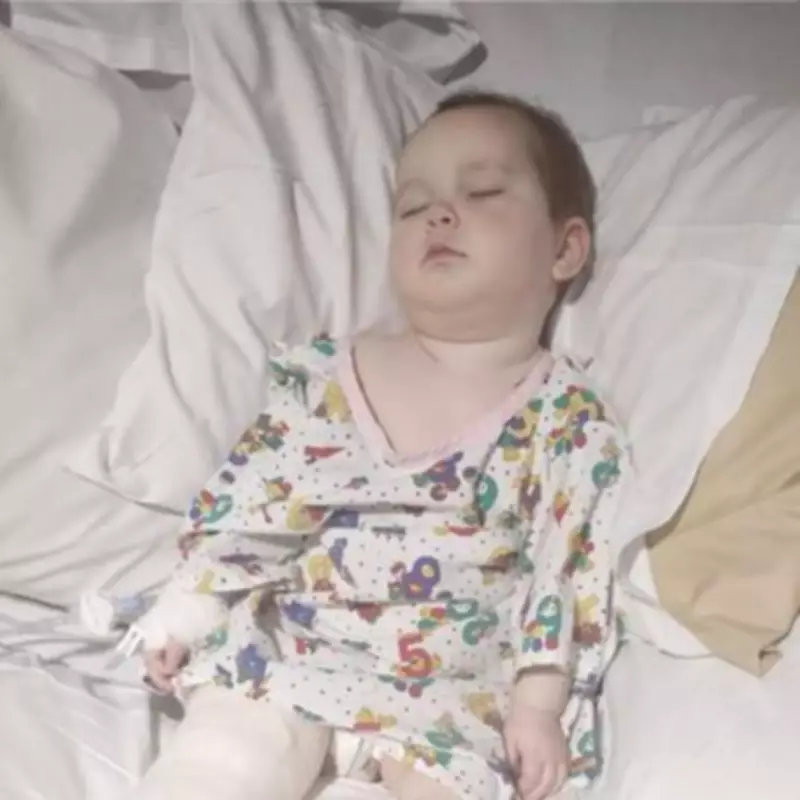
When she was just 14 months old, Anna and her fiancé Iain Lewis, 32, made the heartbreaking decision to amputate her right foot. Now three years old, Genevieve also faces increased risks of:
- Multiple learning difficulties
- Secondary sight and hearing loss
- Further limb deformities
Systemic Failures in NHS Policy
Anna claims that current NHS guidelines contributed to the tragedy. The policy states that adults should only be offered blood tests for chickenpox antibodies if they are completely certain they have never previously contracted the virus.
"Many pregnant women, like myself, are unsure of their chickenpox status and are left at risk when exposed to the virus," Anna explained. "This is a massive flaw in the system – and one that cost my daughter dearly."
She added: "If I had been offered that simple blood test at my first GP visit - or even my third - my infection could have been recognised in time. Antiviral treatment could have been started earlier and the condition could have potentially been prevented."
Traumatic Hospital Experience
Anna described a harrowing series of hospital visits where she felt abandoned by the system. After noticing a painful spot behind her ear, she went to hospital where she was isolated in a side room for hours without proper care.
"I was transferred to the Women's Health Unit, which had actually closed shortly before my arrival," she recalled. "I was left waiting in a corridor with a locum healthcare assistant before being reluctantly allowed inside and I was repeatedly told I shouldn't have been brought there as I was a risk to other pregnant women."
Despite her deteriorating condition and clear symptoms, Anna wasn't given antiviral medication until two weeks after her symptoms began - far too late to prevent transmission to her unborn daughter.
Legal Action and Campaign for Change
Anna has now initiated legal proceedings against both Chesterfield Royal Hospital in Derbyshire and her GP surgery. She has also launched a petition on Change.org urging the NHS to review its current policy.
Her campaign calls for:
- Automatic screening of pregnant women for chickenpox antibodies whenever exposure is suspected
- Antiviral treatment to be offered while blood tests are being carried out
- Policy changes regardless of uncertainty about past infection
"Our intention is not to place blame, but to help protect other families from going through the same heartbreak," Anna said. "Had a more preventative approach been taken, my daughter may have been spared the disabilities she now lives with."

Hospital Response and Ongoing Investigation
Krishna Kallianpur, chief nurse at Chesterfield Royal Hospital, responded: "We continue to work with representatives of Ms Martin in respect of the care of her daughter, and the concerns she has raised with us. As the investigation and legal process continues it would be inappropriate to make further comment."
Despite the challenges, Anna remains hopeful about her daughter's future. "She is currently doing well. She suffers with fatigue and pain/spasms most nights, but she is mobile in moderation and full of light and laughter."
The case highlights significant concerns about patient safety protocols within maternity care and raises urgent questions about whether current NHS guidelines adequately protect pregnant women and their unborn children from preventable infections.