Mpox Alert: UK Holidaymakers Urged to Take Extra Precautions in Spain
British holidaymakers travelling to Spain have been strongly advised to take extra precautions following a concerning surge in cases of an infectious disease. Spanish health authorities have officially confirmed 82 cases of a particular strain of mpox, raising significant public health concerns for travellers.
Official Health Advisory Issued
Travel Health Pro, the official travel health advice service, has issued a clear warning to all travellers. The organisation stated: "As of 17 February 2026, a total of 82 cases of mpox clade Ib have been reported in Spain. 62 of these cases have been reported in men who have sex with men (MSM)." The advisory explicitly adds: "Take extra precautions."
The clade Ib variant is believed to spread more easily than the clade II strain that caused the significant outbreak across the United Kingdom in 2022. Mpox, which was formerly known as monkeypox, can be transmitted between individuals through direct physical contact with mpox blisters or scabs, making awareness and preventive measures crucial.

Symptoms and High-Risk Groups
After contracting mpox, symptoms typically emerge between five and 21 days following initial infection. The initial signs may include:
- A high temperature or fever
- Intense headaches and muscle pains
- Backache and swollen glands
- Chills, extreme fatigue, and joint discomfort
A distinctive rash may appear anywhere on the body between one and five days after symptom onset. The World Health Organisation (WHO) has issued specific warnings that certain groups face heightened risk of severe, potentially life-threatening complications from mpox. These high-risk groups include:
- Very young children and infants
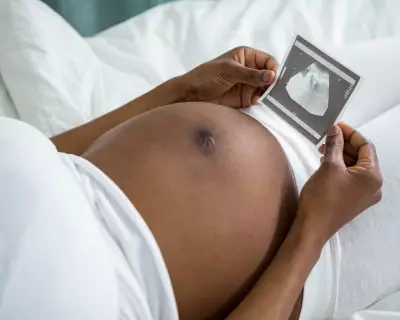
- Pregnant women
- Individuals with weakened immune systems, particularly those with uncontrolled HIV
Global Context and UK Situation
Throughout 2024, several African nations have been grappling with a significant outbreak of clade Ib mpox cases. Concurrently, imported instances have surfaced in a range of countries beyond Spain, including Belgium, Canada, France, Germany, Sweden, and the United States, indicating the virus's potential for international spread.
According to the UK Health Security Agency (UKHSA), the first case of mpox clade Ib infection was confirmed in the United Kingdom on 30 October 2024. Up to 31 January 2026, 25 cases had been reported nationally. The UKHSA stated: "To 31 January 2026, most of these cases have reported direct or indirect links to travel to countries where mpox clade Ib is circulating."
Preventive Measures and Recommendations
The NHS recommends contacting 111 immediately if you exhibit any symptoms of mpox and have travelled to central or eastern Africa within the past three weeks, especially if you've had close contact with an individual showing signs of mpox.
Health organisations emphasise that while the condition remains relatively rare, there are specific, practical measures travellers can take to minimise their risk of contracting mpox and transmitting it to others:

- Get vaccinated if you're offered the mpox vaccine
- Wash your hands with soap and water regularly or use an alcohol-based hand sanitiser
- Look out for any possible symptoms of mpox for three weeks after returning from central or east Africa
- Talk to sexual partners about their sexual health and any symptoms they may have
- Be aware of the symptoms of mpox if you're sexually active, especially if you have new sexual partners
- Take a break from sex and intimate contact if you have symptoms of mpox until you're seen by a doctor and are told you cannot pass it on
- Do not share bedding or towels with people who may have mpox
- Do not have close contact (within one metre) with people who may have mpox
- Do not go near wild or stray animals, including animals that appear unwell or are dead, while travelling in central or east Africa
- Do not eat or touch meat from wild animals while travelling in central or east Africa
With summer travel approaching, health officials are urging all British travellers to Spain to remain vigilant, follow these preventive guidelines, and seek medical advice promptly if any symptoms develop after returning from affected regions.