Mum Feared Losing Son After Brain Tumour Misdiagnosed as Anxiety
A young man who believed his debilitating symptoms were merely "lockdown anxiety" received a devastating diagnosis that changed his life forever. Ollie Knight, now 29 years old, initially experienced unexplained vision difficulties and persistent dizziness back in September 2020, symptoms that would eventually lead to the discovery of a life-threatening brain tumour.
Initial Symptoms Dismissed as Stress
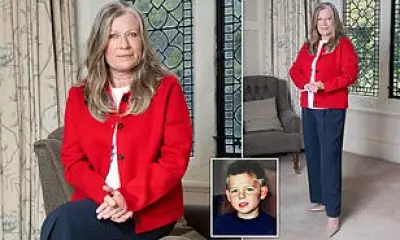
Ollie, a fitness enthusiast and consultant working in London, first noticed subtle but concerning changes in his health during the pandemic. "He started saying his vision would 'go funny' sometimes and he convinced himself it was exhaustion," recalled his mother Heidi Knight, 57, a translation project manager from St Albans. "But then COVID hit and it got worse."
The symptoms progressed to the point where Ollie found himself "struggling to read" everyday items like shampoo bottle labels and small print. Despite being an active runner, he was forced to sit down during one run after feeling unusually giddy. "A runner passing by even stopped to check he was okay," Heidi noted. "Ollie laughed it off and carried on, but looking back, that was the first red flag."

From Anxiety Diagnosis to Devastating Discovery
After finally visiting his GP several months after symptoms began, Ollie was referred for cognitive behavioural therapy with medical professionals suggesting his problems stemmed from pandemic-related anxiety. This misdiagnosis continued until April 2021 when Ollie experienced what appeared to be a stroke, prompting emergency admission to Luton and Dunstable Hospital.
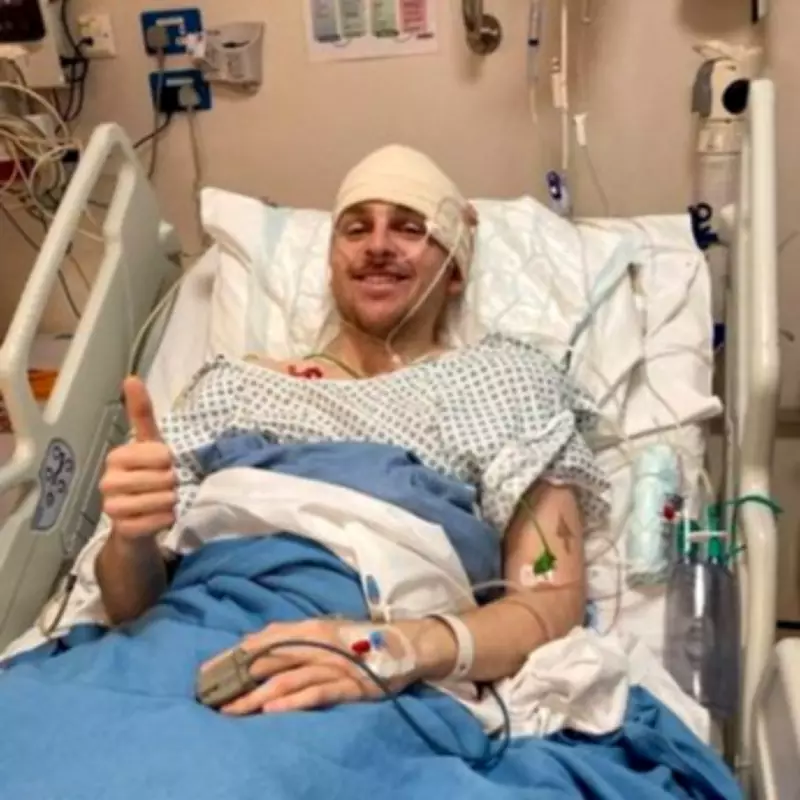
A CT scan revealed the shocking truth: a mass the size of a satsuma on Ollie's brain. He was immediately transferred to the National Hospital for Neurology and Neurosurgery in London where surgeons performed a craniotomy, removing part of his skull to access the tumour. The subsequent diagnosis was a grade 2 astrocytoma - a cancerous brain tumour with concerning survival statistics.
"There was a time when I truly believed I might lose my son either on the operating table or to a life severely limited by damage," Heidi confessed, describing the diagnosis as "devastating." Due to COVID restrictions, she and her husband Roger couldn't even sit with Ollie the night before surgery, instead communicating through Zoom.
Treatment and Remarkable Recovery
Surgeons successfully removed approximately 80 percent of the tumour, but three days post-operation, Ollie suffered a full tonic-clonic seizure. He immediately began an intensive treatment regimen including:
- Radiotherapy sessions
- Chemotherapy treatments
- Anti-seizure medication
The treatment took its toll, with Ollie losing some hair and temporarily losing his driving licence and independence. "He lost some of his hair, which was hard for someone so young and active," Heidi observed. "But he handled it with quiet strength. Ollie did not let the tumour define him."
Building a New Life Despite Diagnosis
Remarkably, Ollie has since achieved significant milestones while living with his diagnosis:
- Completed a master's degree in Sports Performance Analysis at the University of Gloucestershire, achieving the highest grade
- Secured employment as a business intelligence executive with English Heritage
- Remained seizure-free while preparing to marry his partner Laura, a 29-year-old data analyst, in June 2026
"Ollie is still living with a brain tumour, but it has not stopped him living a full, meaningful life," Heidi emphasized. His story has transformed from one of potential tragedy to "resilience and hope" according to his proud mother.
Raising Awareness and Funding Research
Inspired by her son's journey, Heidi is undertaking a 13.1-mile walk at the Bath Ultra Challenge on Saturday, March 28 to raise funds for Brain Tumour Research during Brain Tumour Awareness Month. "This challenge feels different; I am doing this on my own," she explained. "It's about giving back, raising awareness and funding research so outcomes improve."

Previously, Heidi walked 50 kilometers with Ollie and Laura, raising £2,000 for the cause. Letty Greenfield, community fundraising manager at Brain Tumour Research, expressed gratitude: "We are incredibly grateful to Heidi for taking on the Bath Ultra Challenge. Stories like Ollie's remind us why our work is so vital."
Greenfield highlighted the ongoing challenges: "Brain tumours remain underfunded compared to other cancers, yet they devastate so many families. Supporters like Heidi are helping us to give hope to everyone affected by this disease."
Ollie's experience underscores how brain tumour symptoms can mimic more common conditions, leading to dangerous delays in diagnosis. His journey from misdiagnosed anxiety to brain cancer survivor serves as both a cautionary tale and an inspiring testament to human resilience in the face of life-altering medical challenges.