Mum, 31, Needs Emergency Brain Surgery After Dismissed Headaches
Mum's 'blocked ear' was actually a brain tumour

A young mother from Bristol was told her persistent headaches and hearing loss were simply a blocked ear from flying, only to later discover she had a life-threatening brain tumour requiring emergency surgery.

From Holiday Sniffles to a Terrifying Diagnosis

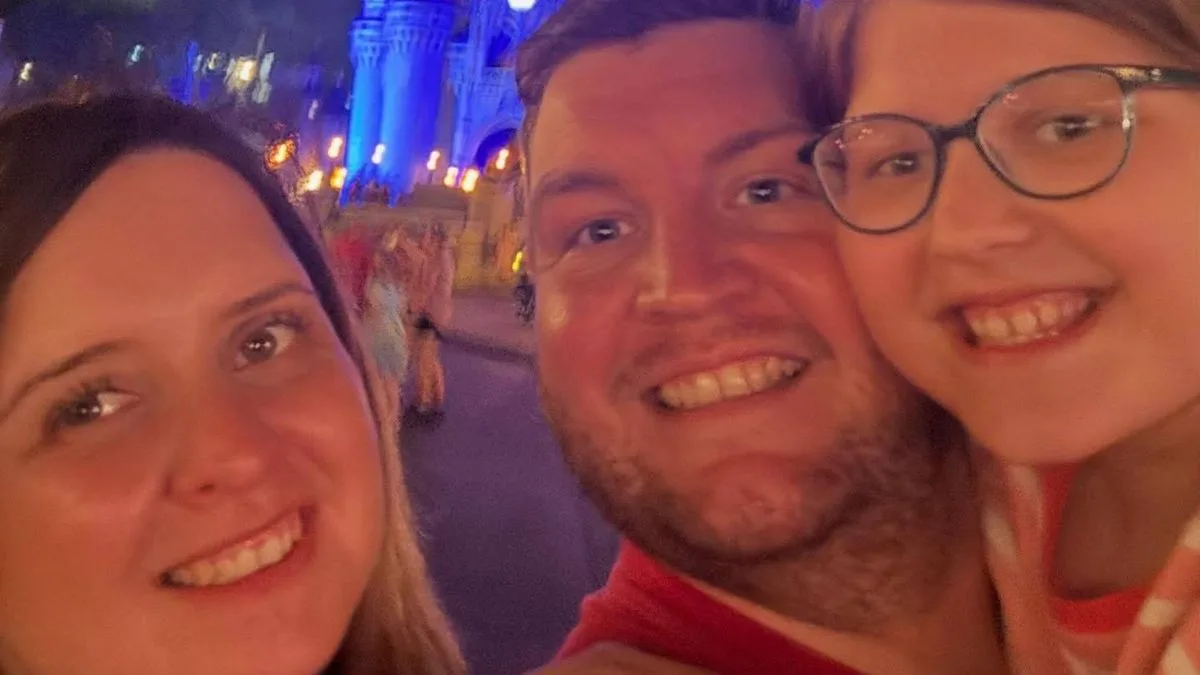
Amy Frankcom, then 31, first noticed symptoms in late 2023 after a family holiday to Lapland with her husband Simon and daughter Olivia. Her left ear felt blocked, a sensation her GP initially attributed to the flight. However, the problem persisted and was soon accompanied by sharp, shooting pains on the right side of her neck and head.

"I went back to the doctors numerous times and was told they were headaches caused by the flight," Amy, now 33, recalled. For four months, her concerns were repeatedly brushed aside. The turning point came in February 2024 when a student doctor, erring on the side of caution, suggested an MRI scan due to the longevity of her symptoms.

The Life-Altering Phone Call and Emergency Surgery

Referred urgently to South Bristol Community Hospital, Amy was told the scan was a precaution and not to expect any serious findings. The reality was devastatingly different. One evening, she received a phone call from a doctor who felt she needed to know immediately: they had found a brain tumour.

"Hearing the words, 'you have a brain tumour' was utterly terrifying," Amy said. "My mind went straight to the worst-case scenarios. It changed my life in an instant." She was diagnosed with an acoustic neuroma, a rare, non-cancerous tumour, which had grown to the size of a lime.

Within days of that February 2024 diagnosis, Amy underwent emergency brain surgery to remove the 6cm growth. While the procedure was successful, it left her completely deaf in her right ear. She now uses cross hearing aids, with a microphone on her right side and a receiver in her left.

Running for a Cause: Turning Trauma into Hope

Determined to create something positive from her ordeal, Amy is now preparing to run the TCS London Marathon to raise funds and awareness for Brain Tumour Research. "Being able to run the London Marathon means so much to me," she stated.

"After everything I've been through, it will feel incredibly special to stand on that start line and show that a brain tumour diagnosis doesn't define what's possible. If my journey can give even one person hope or encourage someone to listen to their body and seek help, then every mile will be worth it."

Her story underscores a critical issue in healthcare funding. Brain tumours are the leading cancer killer of children and adults under 40 in the UK, yet historically only around 1% of the national spend on cancer research has been allocated to them.

Carol Robertson, national events manager at Brain Tumour Research, praised Amy's resolve: "Amy's determination to take on the London Marathon after everything she has been through is truly inspiring. Stories like Amy's highlight why greater investment in research is so urgently needed."

Amy's final message is a powerful warning to others: "Early diagnosis is so important. I would tell anyone not to ignore their symptoms, no matter how common they seem."