As the first wave of hay fever season approaches, typically commencing at the end of March, an NHS GP has issued vital advice to help the estimated 25% of the UK population affected by this condition. Dr Nighat Arif, a general practitioner, has highlighted a critical mistake many make with antihistamines and provided three practical tips to alleviate suffering during this challenging period.
The Biology Behind Hay Fever Symptoms
Dr Arif explained that hay fever occurs when the immune system mistakenly identifies harmless pollen as an invader, triggering a release of histamine. This biological overdrive results in familiar symptoms such as sniffing, sneezing, and watery eyes. She shared her own early March experiences, empathising with sufferers who struggle to maintain professionalism, especially during work calls where symptoms can be disruptive.
Tip 1: Create a Pollen Barrier with Vaseline
The first recommendation from Dr Arif involves using a simple yet effective pollen barrier. She suggests applying petroleum jelly, like Vaseline, around the nostrils to trap pollen particles before they enter the nasal passages. "This acts as an allergy-balm," she noted, emphasising the need to reapply throughout the day to maintain the barrier's effectiveness. A single application is insufficient, as the protection only works if it remains intact.
Tip 2: Be Proactive with Antihistamine Use
Dr Arif identified a common error among hay fever sufferers: taking antihistamines too late. She advises being proactive by starting medication before symptoms emerge. "Waiting until you are sneezing means that the histamine flood has already happened," she warned. Recommended non-drowsy options include loratadine or fexofenadine, and she encourages consulting a pharmacist early to prepare adequately.
Tip 3: Control Your Micro Environment
To minimise pollen exposure, Dr Arif recommends managing your immediate surroundings. Key actions include:
- Keeping windows closed during high pollen counts.
- Wiping down desks daily with a damp, antiseptic cloth to avoid stirring pollen into the air.
- Avoiding hanging coats on chairs, as they can act as pollen delivery systems.
NHS Guidelines for Hay Fever Management
The NHS website supplements this advice with additional dos and don'ts to help sufferers navigate the season effectively:
Do:- Apply petroleum jelly around nostrils to trap pollen.
- Wear wraparound sunglasses, masks, or wide-brimmed hats to shield from pollen.
- Shower and change clothes after being outdoors to remove pollen.
- Keep windows and doors shut as much as possible.
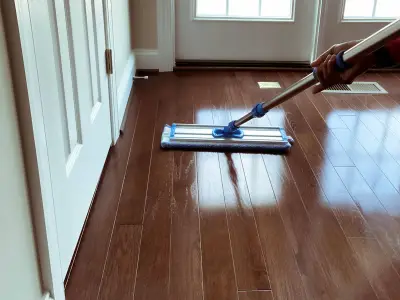
- Vacuum regularly and dust with a damp cloth.
- Use pollen filters in car air vents and HEPA filters in vacuum cleaners.
- Cut or walk on grass unnecessarily.
- Spend excessive time outside during peak pollen periods.
- Keep fresh flowers indoors.
- Smoke or be around smoke, as it worsens symptoms.
- Dry clothes outside where they can collect pollen.
- Allow pets indoors if possible, as they can carry pollen.
By following these expert tips and NHS guidelines, hay fever sufferers can better manage their symptoms and improve their quality of life during the upcoming season, which runs from late March to September.