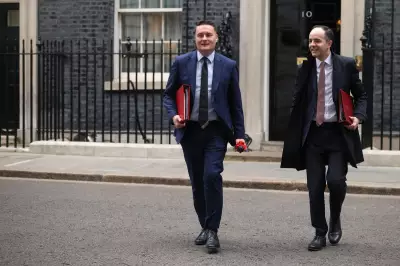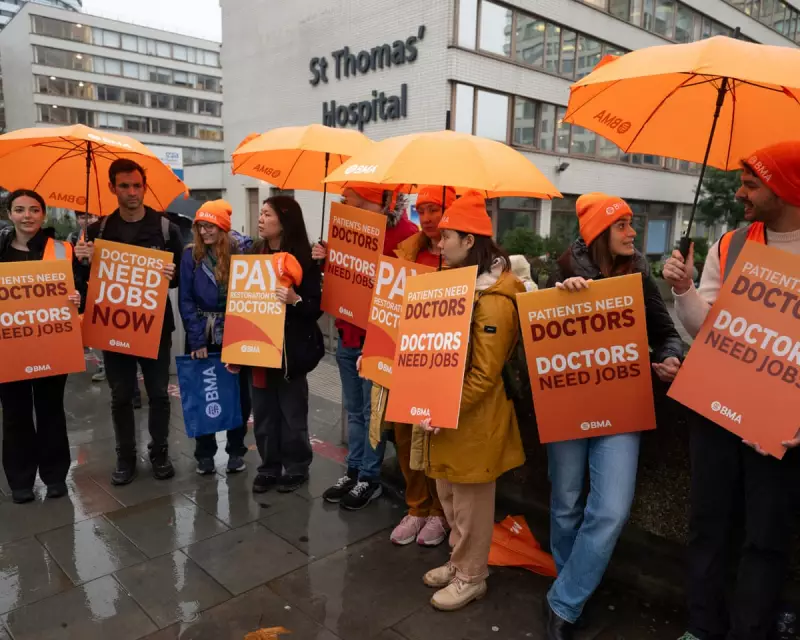
Exasperated NHS leaders have issued a plea for independent mediation to resolve the bitter pay dispute with junior doctors, as thousands begin a five-day walkout across England.
Strike Action Escalates Amid Failed Talks
Thousands of resident doctors, formerly known as junior doctors, will strike from 7am on Wednesday 18th December for five consecutive days. This marks the 14th round of industrial action since the dispute began in 2023. The strike is scheduled to end at 7am on Monday 22nd December, forcing hospitals to cancel tens of thousands of appointments and procedures.
Last-ditch talks on Tuesday between Health Secretary Wes Streeting and the British Medical Association (BMA) were described as "constructive" but ultimately failed to produce an agreement. The core issues remain pay and the expansion of training posts for early-career medics.

NHS Confederation Calls for Urgent Intervention
The NHS Confederation, which represents health service trusts, has urged both the government and the BMA's resident doctors committee to accept independent mediation. They warn that patients are becoming "collateral damage" in a conflict that has dragged on for 33 months.
Matthew Taylor, the confederation's chief executive, stated: "Clearly the current standoff is detrimental to all parties, but the repercussions will be felt most severely by patients. Some common ground is urgently needed, which independent mediation could support."
He expressed concern that without a dramatic move towards settlement, the dispute could "drag on and on and on" into 2026, becoming a defining feature of the NHS.
Key Demands and Government Stance
The resident doctors are seeking a 26% pay rise over the next three years, a figure the government has repeatedly labelled unaffordable. They are also demanding a significant increase in training places beyond the government's offer, which was raised from 1,000 to 4,000.
Sir Jim Mackey, the head of NHS England, condemned the timing of the strike as "cruel" and "calculated," coinciding with one of the service's most challenging weeks. Meanwhile, the BMA has signalled strikes could continue well into the new year.
Dr Jack Fletcher, chair of the BMA's resident doctors committee, said: "If the government keeps up the pattern of denial, harsh words and rushed half-measures, then we are going to be stuck in the cycle of strikes well into the new year."
The doctors' current legal mandate to strike expires on 6th January, but the BMA is already planning to reballot its 55,000 members in England to renew it.
A Department of Health and Social Care spokesperson confirmed the talks had not averted the strike, adding: "All of our focus will now be on working with the whole NHS team to minimise the disruption caused by the strikes." Neither the department nor the BMA directly responded to the call for mediation.