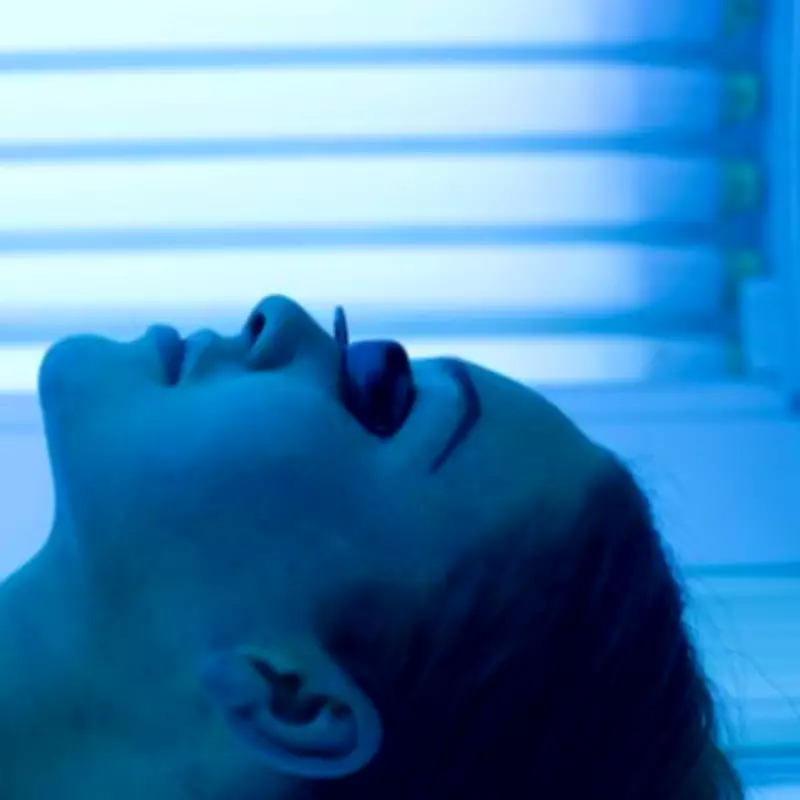
NHS Issues Stern Warning Over False Vitamin D Claims Linked to Sunbeds
The NHS has spoken out forcefully against false and misleading claims circulating on social media platforms regarding the supposed health benefits of sunbeds, particularly in relation to Vitamin D production. The health service has emphasised that following such bogus advice could cause significant harm to individuals.
Social Media Misinformation Campaign
This warning comes in response to reports that young people are being specifically targeted by advertising content on platforms including TikTok, Instagram and Facebook. The BBC has identified hundreds of advertisements claiming that sunbeds can boost energy levels, treat various skin conditions, and even address mental health problems.
One particularly viral video, which garnered 18,000 likes on TikTok, falsely asserted that doctors prescribe sunbeds for conditions including vitamin D deficiency, seasonal depression, and skin disorders. These claims have been strongly disputed by medical professionals and health experts across the board.

Clear Cancer Risks Established
Cancer charities and medical practitioners have been unequivocal about the dangers associated with sunbed use. The machines are directly linked to higher rates of melanoma and other skin cancers. According to the World Health Organization, using a sunbed before the age of 35 increases the risk of developing melanoma by 59% later in life.
The NHS stated clearly: "Sunbeds give off ultraviolet (UV) radiation, just like the sun does. Too much of this causes skin cancer. And sunbeds should never be used to 'get a few minutes of vitamin D' either. Remember; there's no such thing as safe UV tanning."
Vitamin D Production Explained
While Vitamin D is naturally produced in the body through exposure to sunlight or obtained through certain foods, the NHS maintains that sunbeds are not an efficient or safe method for obtaining this essential nutrient. Although some sunbeds may technically emit UVB rays that the body can convert into Vitamin D, the World Health Organization confirms they are not an effective means of nutrient production.
The health service recommends safer alternatives including maintaining a healthy diet or taking appropriate supplements under medical guidance.
New Government Regulations Proposed
In response to growing concerns, the government is preparing to introduce stricter regulations on commercial sunbed use as part of the forthcoming National Cancer Plan. New proposals expected to launch in spring 2026 could come into force as early as 2027.
The planned measures include:
- Banning unsupervised sunbed sessions
- Introducing mandatory ID checks to verify users are over 18
- Strengthening requirements around commercial sunbed operations
Recent investigations have revealed that teenagers as young as 14 are gaining access to tanning salons, routinely flouting the existing ban on under-18s using sunbeds established by the Sunbeds (Regulation) Act 2010.
Official Statements and Personal Testimonies
Health Minister Karin Smyth emphasised the urgency of these measures: "Stronger protections on sunbeds are needed so people understand risks that could have deadly consequences. The evidence is clear: there is no safe level of sunbed use, yet too many young people are being exposed to a known carcinogen with little understanding of the risks."
Professor Meghana Pandit, National Medical Director at NHS England, added: "A sunbed tan might only last a few weeks, but the damage can last a lifetime. Sunbeds blast your skin with high levels of UV radiation raising the risk of melanoma and other skin cancers, particularly for young people."
The human cost was powerfully illustrated by Natasha Gowan, who developed skin cancer after using sunbeds frequently in her twenties: "I needed multiple operations, underwent a year of immunotherapy and now live with the constant fear of it returning or spreading. No tan is worth the physical and emotional toll this has taken on my life."

Alarming Statistics and Public Awareness Gaps
The scale of the problem is substantial. In 2023 alone, there were almost 250,000 new skin cancer diagnoses in the United Kingdom, costing the NHS an estimated £750 million annually. Despite these figures, polling from Melanoma Focus reveals concerning gaps in public awareness.
Only 62% of adults understand that sunbed use increases cancer risk, while nearly a quarter of 18 to 25 year olds incorrectly believe that sunbeds actually reduce their risk of developing cancer.
The World Health Organization has classified sunbeds as being as dangerous as smoking, with research showing that using a sunbed before age 20 increases melanoma risk by 47% compared to those who have never used one.
The Advertising Standards Authority has already taken action against misleading promotions, banning six tanning advertisements for making irresponsible health claims or suggesting sunbeds were safe. However, the NHS warning and proposed government regulations represent a significant escalation in efforts to combat this public health threat.