Scotland's £1bn Superhospital Scandal Deepens as Report Reveals Explosion and Contamination Risks
Scotland's £1bn Superhospital Scandal: Explosion and Contamination Risks

Scotland's £1bn Superhospital Scandal Deepens with Explosion and Contamination Risks

The ongoing scandal surrounding Scotland's £1 billion Queen Elizabeth University Hospital (QEUH) has intensified dramatically following the publication of a bombshell official safety report. The document, compiled by leading UK safety specialists and published last Thursday, reveals that the hospital's ventilation system remained at serious risk of contamination as recently as two months ago.

Critical Safety Failures and Government Contradictions

Experts have issued a stark warning that a room controlling the vital air supply to patients could potentially explode due to hazardous conditions at the crisis-hit hospital campus. This alarming revelation comes just days after First Minister John Swinney publicly claimed the hospital was 'safe,' creating a significant contradiction between official statements and documented safety concerns.

The comprehensive safety report identifies multiple critical issues beyond the explosion risk, including substantial fire hazards that could force the shutdown of multiple operating theatres. Additional concerns highlighted in the document include persistently dirty conditions throughout the facility and serious questions about the quality of air filters being used in wards treating severely immunocompromised patients.

Families' Outrage and Political Fallout

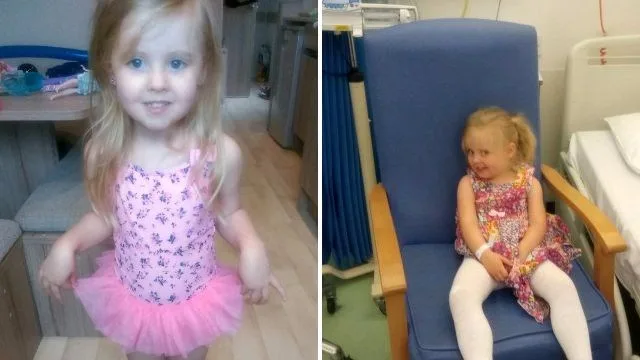
Charmaine Lacock, whose daughter Paige developed serious infections while receiving cancer treatment at the hospital in 2018, expressed outrage at the government's characterization of the reports. 'Ministers said these reports were "positive" only a few weeks ago,' she stated. 'How on earth could they say this when it shows there's still massive issues with the ventilation? There are fire hazards, explosion risks and filters that haven't been risk-assessed being used in wards with immunocompromised patients.'

The safety assessment was one of two independent studies commissioned amid growing concerns about hospital conditions raised by families of patients who contracted rare infections while receiving treatment. Despite these serious findings, both First Minister John Swinney and Health Secretary Neil Gray told Members of the Scottish Parliament that the reports contained 'positive' results.

Persistent Problems in Critical Areas

The report by M&M Compliance Training, published by NHS Greater Glasgow and Clyde as part of their 'Reassurance Update,' reveals that plant rooms responsible for supplying clean air to patients continue to present significant contamination risks. An audit conducted in 2024 discovered cardboard waste sitting in ponding water within one plant room, creating a potential breeding ground for fungal and bacterial growth.

Despite this issue being first identified in 2023, the most recent inspection in December 2025 noted that while one room showed 'marked improvement,' other plant rooms required the same level of attention. Inspectors observed construction work taking place in plant room 31, resulting in gypsum, cement debris, and hazardous chemicals being present in an area housing ventilation equipment serving the bone marrow transplant ward.

Specific Hazards and Systemic Failures

The auditors issued a clear directive regarding the dangerous conditions: 'The practice of joinery and flooring contractors in plant room 31 should cease. It is not appropriate to conduct uncontained/extracted work in a ventilation plant room. There is a clear fire and explosion hazard that should be dealt with.'

They further noted that timber, solvents, and sources of ignition including bench top grinders and crosscut saws were positioned adjacent to critical ventilation equipment. The report warned that a fire alarm activation in this area would automatically shut down multiple operating theatres, creating a potentially catastrophic situation during surgical procedures.

Simon Green, a national account manager at healthcare facilities maintenance firm SSH Group, emphasized the importance of maintaining clean plant rooms for patient safety. He explained that because these areas typically have restricted access, 'they are often left to their own devices until equipment develops a fault or in the event of an emergency.' Green added that neglect leaves such facilities vulnerable to fire risks, biological contamination, and breakdown of essential systems.

Political Reactions and Official Responses

Dr. Sandesh Gulhane, Scottish Conservatives health spokesman, accused ministers of being 'disconnected from reality' regarding the QEUH scandal. He stated: 'It is deeply insulting that they're trying to pretend everything is fine when these damning reports make it clear the hospital remains a great risk to patients. Families deserve urgent answers rather than secrecy and spin from the SNP government.'

Scottish Labour health spokeswoman Jackie Baillie echoed these concerns, stating: 'It is not enough for John Swinney and Neil Gray to hope to simply "persuade" people of the safety of the QEUH – we must have clear evidence of it. The issues highlighted in this report are a matter of significant concern. Many, such as uncleanliness, have been known about for years, so there are serious questions about why these have not already been fully rectified.'

In response to the report's findings, NHS Greater Glasgow and Clyde stated they had conducted an 'immediate review' and were removing all plant room consumables to alternative storage areas. The health board acknowledged they have faced challenges linked to the original build quality since the hospital opened in 2015, stating: 'The building we got was not what we paid for. We acknowledge the impact this has had on patients, families, whistleblowers and staff, and we are sorry for the distress caused.'

A Scottish Government spokesman maintained their commitment to transparency, stating: 'As we are committed to full transparency, we asked NHS Greater Glasgow and Clyde to publish reports on the water and ventilation systems in full and where concerns were raised, action was taken and the necessary remediation works are either already complete or underway.'

However, Louise Slorance, whose husband died while being treated at the hospital, challenged this narrative, stating: 'The Scottish Government has said numerous times these reports demonstrate the hospital is safe. This is simply not the case. Ministers clearly do not understand what is and what isn't contained in these reports. They do not provide evidence of patient safety in the QEUH.'