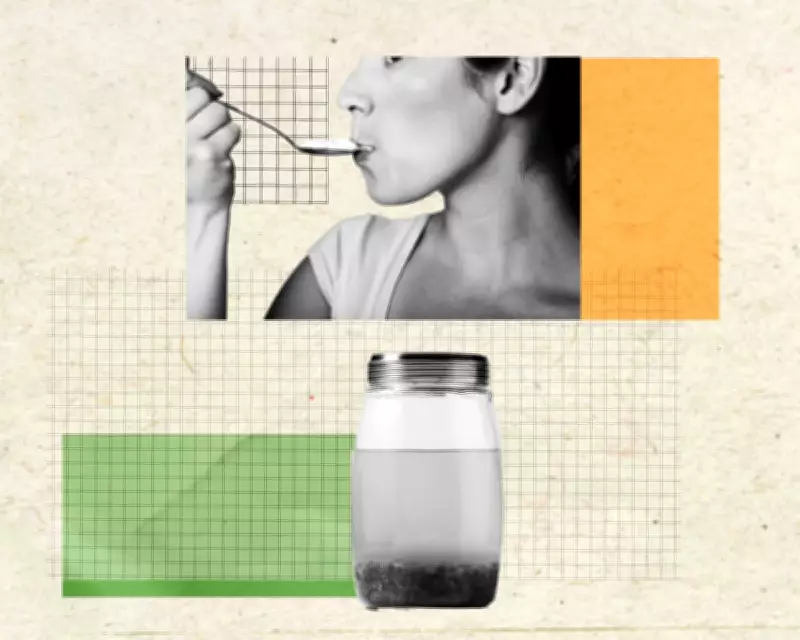
Sea moss has surged in popularity on social media platforms like TikTok, with influencers promoting it as a natural remedy for issues such as acne and gut health. However, experts emphasize that using sea moss as a complementary therapy, for example to manage blood sugar or cholesterol, should only be done under the guidance of an accredited practising dietitian and medical professional.
What Is Sea Moss and Why Is It Trending?
Sea moss, closely related to Irish moss, is a type of algae often sold in jars for over $35, with variations in color like bubblegum pink or aquamarine due to added ingredients such as chlorella. On TikTok, videos show influencers consuming spoonfuls of the congealed substance, claiming benefits like "clearing up all my acne" or providing "over 92 essential nutrients." Despite these assertions, many videos avoid showing actual swallowing, hinting at the unappealing texture.
Limited Evidence from Research
Dr. Margaret Murray, course director for Swinburne University's bachelor of nutrition, notes that while algae products like sea moss and chlorella have been studied for potential health benefits, much of the research is based on cell or animal models. Early studies suggest algae might help manage blood sugar levels or support healthy cholesterol, but these findings are poor predictors for human effects.

Murray explains, "It is also unlikely that an average healthy person is going to notice significant benefit in these areas." For those with elevated blood sugar or cholesterol, effects might be more noticeable, but evidence-based guidance on doses or frequency is lacking. She stresses the need for further, stronger studies and professional oversight when using these products as complementary therapies.
Nutrient Density and Risks
Algae are indeed nutrient-dense, containing vitamins, minerals, amino acids, and fibre, but the exact composition varies by species and product. Murray advises, "There is no additional benefit from getting nutrients from these products compared with whole foods. I always advise to get nutrients from food first, and supplements as a backup plan."
Associate Professor Evangeline Mantzioris, an accredited practising dietitian, highlights potential risks: sea moss contains iodine, which can be problematic for thyroid issues, and may accumulate heavy metals from seawater. She points out that a small human study suggested chlorella might reduce mercury levels, but the sample size was limited.
The Misconception of "Natural"
Both experts warn that the term "natural" does not equate to safety or benefit. Murray notes, "Just because something is natural, or found in nature, doesn't mean it is safe or beneficial to humans. There are plenty of dangerous substances that are also natural, for example death cap mushrooms."
Mantzioris adds that in normal amounts as part of a balanced diet, sea moss and chlorella are generally fine, especially for communities with cultural dietary traditions. However, Murray cautions, "Adding chlorella or sea moss to an otherwise suboptimal dietary pattern is not going to completely counteract poor dietary habits."
In summary, while sea moss may offer some nutrients, its health claims are largely unproven in humans, and consumers should approach it with caution, seeking professional advice rather than relying on social media trends.