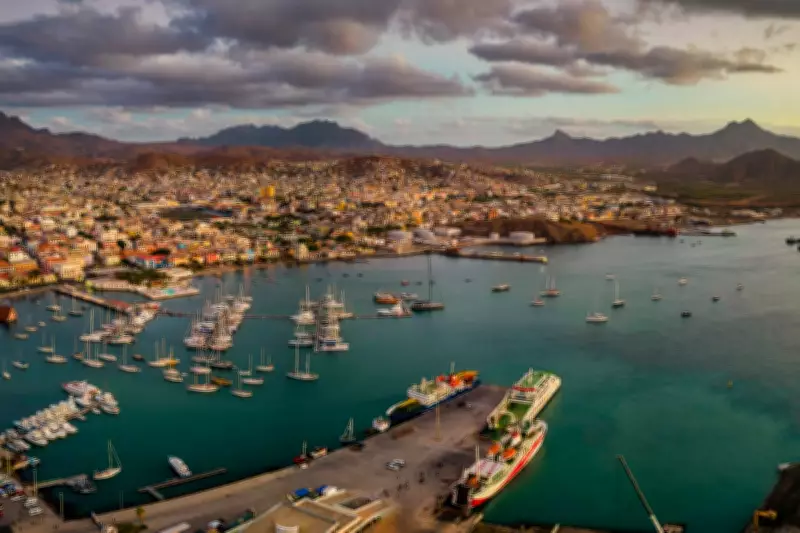
The Foreign Office has issued a health alert after a rise in Shigella infections among UK travellers returning from Cape Verde, with four British deaths in three months highlighting the risks of gastric illness abroad. Shigella bacteria, which cause severe diarrhoea, fever, and stomach cramps, spread through contaminated faeces via direct contact or indirect sources like food and water.
Expert Insights from a Travel Doctor
Dr Richard Dawood, a travel medical specialist at Fleet Street Clinic, emphasises that while diarrhoea affects about two-fifths of travellers to hot countries, it can be highly disruptive. "A lot of people think of diarrheal diseases as something that's minor and non-impactful. These days, more than ever, when travel is so expensive, our leisure time is so precious that it can be highly disruptive," he told The Independent.
Prevention Strategies for Safe Travel
Dr Dawood advises that prevention is key, stressing that vaccines alone are insufficient. "Anybody who's going to a destination like Cape Verde should be given some really careful advice about hygiene and eating safely, preventing mosquito bites, all the other advice that really should be part of a proper consultation," he says. Recommendations include:

- Use hand sanitiser and wipes regularly.
- Choose freshly cooked, hot meals over buffets.
- Drink bottled or boiled water, and avoid ice.
- Peel fruit yourself and avoid unwashed salads.
Treatment and Recovery Guidance
If illness occurs, Dr Dawood notes that dehydration is a primary concern. "The priority is to get fluid back on board using oral rehydration and control of symptoms," he explains. Carrying antibiotics can be useful for severe cases, and seeking medical advice upon return is crucial if symptoms persist.
Current Shigella Case Statistics
As of December 2025, 109 of 137 confirmed UK Shigella cases involved recent travel to Cape Verde. Cases have also been reported in travellers from the Netherlands, Sweden, France, and Ireland, mainly between September and November 2025. While most recover within a week, older individuals, those with underlying conditions, pregnant women, and young children face higher risks of complications like sepsis.
Additional Health Warnings for Cape Verde
Separately, the Cape Verde government has raised dengue warnings on islands including Santiago, Fogo, and Brava. The UK's National Travel Health Network and Centre advises travellers with health conditions to consult providers before visiting outbreak areas. Note that Cape Verde does not accept Global Health Insurance Cards, so comprehensive insurance is essential.
Practical Steps for Illness Abroad
If unwell while travelling, NaTHNaC recommends drinking safe fluids and using oral rehydration solutions. Seek early medical help if symptoms last more than a few days or if at higher risk. Additional measures include:
- Wash contaminated items on a hot cycle.
- Clean toilets and handles regularly.
- Avoid sexual contact for 48 hours after diarrhoea.
- Inform healthcare providers about travel history upon return.
The Foreign Office warns that medical facilities in Cape Verde are basic, with limited medicine supplies, underscoring the importance of preparedness and caution for UK holidaymakers.