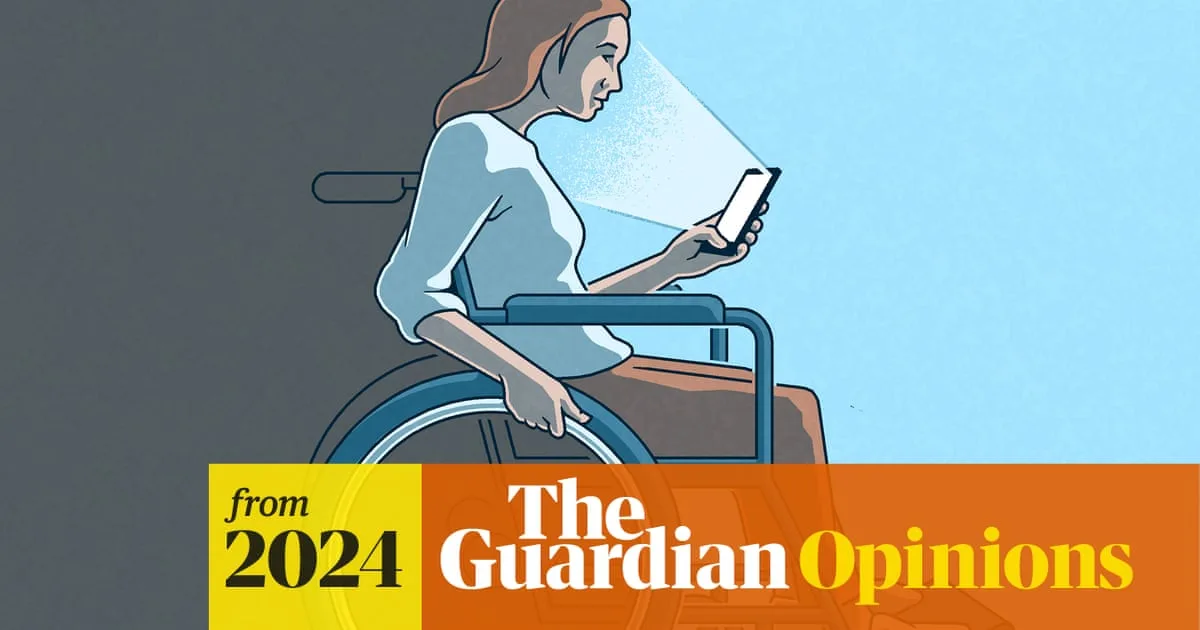
The term 'sickfluencer' has entered the lexicon following a Channel 4 Dispatches investigation into disabled and chronically ill social media users sharing advice on securing disability benefits. The programme, titled 'Britain's Benefits Scandal', highlighted how some influencers provide template answers and tips on platforms like TikTok, YouTube, Facebook and Reddit.
Commentator Frances Ryan argues that the outrage over these 'sickfluencers' is misplaced. She points out that with welfare rights services decimated and legal aid cuts over the past decade, it is natural for those facing complex paperwork while enduring debilitating symptoms to seek support online. The real scandal, she contends, is a broken benefits system that forces desperate people to look for help online in the first place.
Ryan criticises the media frenzy, noting that coverage in outlets like the Times and GB News has been 'frenzied', describing one influencer as a 'self-proclaimed anarchist' who suggests telling assessors about your 'absolute worst day'. She argues that such advice is reasonable for people with fluctuating conditions, who are often unfairly rejected for benefits.

The commentator draws a parallel with tax advice for the wealthy, which is seen as legitimate, while benefits advice for the sick is treated as cheating. She highlights that 70% of benefit appeals are successful, and that benefit delays and rejections are a key reason why the majority of people using food banks have a disability.
Ryan concludes that the narrative of 'sickfluencers' gaming the system distorts the structural problems of an opaque and faulty benefits system. She warns that this feeds a culture where disabled people are judged and policed, especially when using visible forms of support like blue badge parking spaces.