The Sleep Paralysis Epidemic Sweeping Britain
For most individuals, the bedroom represents a sanctuary – a peaceful retreat for relaxation and rejuvenation after demanding daily routines. However, for Melissa Austin, this fundamental human refuge has become a source of profound terror. The 28-year-old resident of Worcestershire describes her bed as anything but comforting, with falling asleep frequently leading to waking nightmares where she finds herself completely immobilized while terrifying visions materialize before her.
A Personal Nightmare Experience
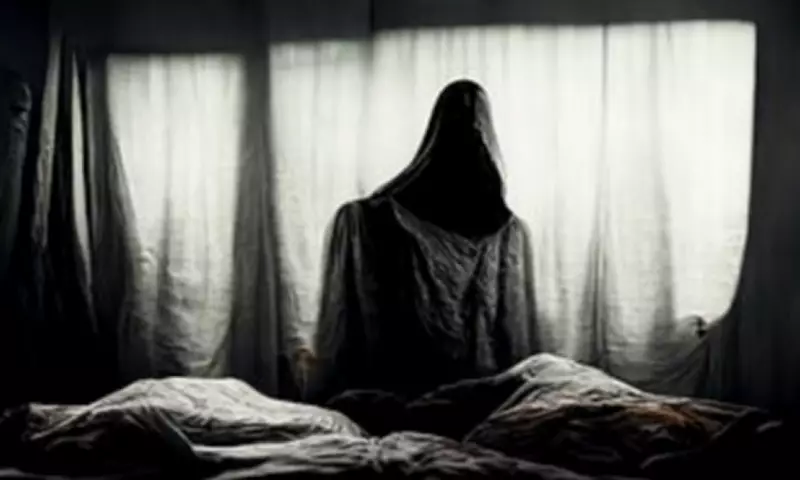
Melissa recounts one particularly harrowing episode with chilling clarity. "I woke up but couldn't move. My entire body felt frozen – I didn't know if I was asleep or awake," she explains. "At the end of the bed, there was this enormous black shape standing there. It didn't feel like a dream; it felt absolutely real."
The experience intensified dramatically as the shadowy presence advanced. "Then it started climbing onto the bed, pinning me down. I tried to scream, but nothing came out. I truly believe I could feel what I can only describe as its breath on my face."

A Widespread Sleep Disorder Phenomenon
Despite the bizarre and frightening nature of Melissa's account, her experience represents a recognized medical condition affecting hundreds of thousands across the United Kingdom. Sleep paralysis – a temporary inability to move or speak while transitioning between sleep and wakefulness – is now generating unprecedented online discussion and concern.
A comprehensive study commissioned by window furnishings company Hillarys, which meticulously analyzed online search patterns and social media trends surrounding sleep disorders, estimates that approximately 980,000 people throughout the UK regularly experience sleep paralysis episodes. According to official National Health Service guidance, this condition typically involves vivid, frightening hallucinations that feel disturbingly authentic to those experiencing them.
Surging Public Interest and Digital Discussion
Public fascination with sleep paralysis appears to be accelerating rapidly. The Hillarys analysis discovered that online searches for information about sleep paralysis have increased by a remarkable 31 percent during the past week alone. Simultaneously, related content has generated nearly 300,000 separate searches on the TikTok platform within the same timeframe.
One particularly telling hashtag – #SleepParalysisDemon – has been searched more than 1.1 million times over the past six months, with users sharing chilling first-person narratives describing shadowy figures, intense chest pressure, and the eerie sensation that an unseen presence occupies their sleeping space.
The Science Behind Sleep Paralysis
Sleep scientist Tom Coleman of Hillarys explains that these terrifying episodes occur during REM (Rapid Eye Movement) sleep, the sleep phase characterized by the most vivid dreaming activity. "During REM sleep the brain is highly active, almost as active as when we're awake, and vivid dreaming occurs," Coleman clarifies.
"At the same time, most voluntary muscles are switched off in a protective mechanism called REM atonia – this prevents us from acting out our dreams physically. Sleep paralysis happens when this process becomes uncoupled: the brain wakes, but the body remains in REM paralysis. Dream imagery can spill into waking awareness, causing hallucinations."
These hallucinations frequently manifest as intensely realistic experiences. "People may sense an intruder, see shadow figures, feel pressure on their chest, or believe someone is in the room," Coleman notes. "Breathing continues normally – the chest pressure sensation results from relaxed skeletal muscles while the diaphragm continues functioning."
Although episodes typically resolve within minutes, the distorted time perception during these events can make them feel substantially longer to those experiencing them.
Melissa's Ongoing Struggle
For Melissa, the sleep paralysis pattern began during adolescence. "The first time it happened when I was 16, I didn't have the words for it," she recalls. "I told my mum, and she thought it was just a bad dream. But I knew it wasn't. Since then, it's happened numerous times – often when I'm particularly stressed."

The psychological impact remains significant even years later. "Even now, I sometimes dread going to sleep because I don't know if it will happen again," she admits.
Common Triggers and Prevention Strategies
Although undeniably frightening, medical experts emphasize that sleep paralysis itself poses no physical danger and typically correlates with disrupted sleep patterns. Common triggers include sleep deprivation, irregular sleep schedules, jet lag, shift work, stress, and anxiety. In rare instances, the condition may associate with neurological disorders such as narcolepsy.
Improving sleep hygiene can substantially reduce episode frequency. Specialists recommend maintaining consistent sleep schedules, targeting seven to nine hours nightly, and adhering to regular bedtimes and wake times even during weekends.
Reducing pre-sleep stress proves equally important. This may involve avoiding electronic devices for at least one hour before bedtime, maintaining dark and cool bedroom environments, and practicing relaxation techniques including breathing exercises or meditation.
Sleep position may influence occurrence rates, with some research suggesting sleep paralysis happens more frequently when individuals sleep on their backs. Switching to side sleeping positions sometimes reduces episodes.
Avoiding heavy meals, alcohol, caffeine, or nicotine during evening hours can further enhance sleep quality and minimize REM sleep disruption.
Medical Interventions and Reassurance
For individuals experiencing frequent or severe episodes, healthcare providers may recommend cognitive behavioral therapy for insomnia (CBT-I) or, in rare cases where sleep paralysis links to narcolepsy, medication to stabilize sleep architecture.
Despite the terrifying nature of these experiences, sleep specialists consistently emphasize that sleep paralysis remains medically harmless and typically resolves as sleep patterns normalize. The growing online discussion reflects both increasing awareness and the profound psychological impact this condition exerts on nearly one million Britons who find their bedrooms transformed from sanctuaries into scenes of nighttime terror.