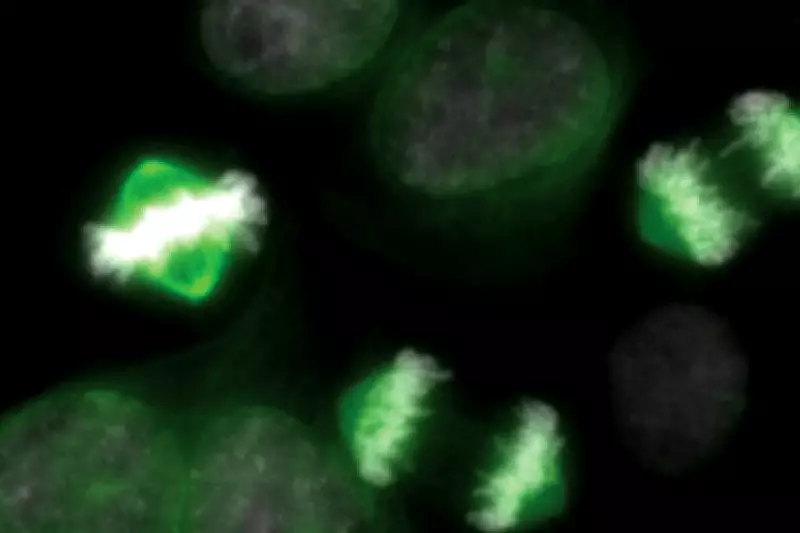
A groundbreaking multimillion-pound research initiative, spearheaded by the University of Dundee in partnership with the Max Planck Institute, is set to investigate the intricate cellular 'light switches' that govern cell division and their pivotal role in the development of cancer. This ambitious study focuses on deciphering the rhythmic signalling known as phosphorylation-dephosphorylation (PdP) dynamics, a process wherein chemical tags rapidly toggle proteins between 'on' and 'off' states to orchestrate cellular behaviour.
Decoding the 'Biological Morse Code'
Researchers describe these rapid on-off cycles as a form of 'biological morse code,' which is essential for ensuring accurate cell division. Understanding how this code functions under normal conditions is critical, as any malfunction can lead to uncontrolled cell growth and cancer. The team aims to unravel these previously hidden signals to gain clearer insights into why cell division goes awry in cancerous cells.
Potential for New Treatment Strategies
By decoding these dynamic signalling patterns, the scientists hope to pave the way for more effective treatment strategies. The eight-year project has secured £4 million in funding from Wellcome, underscoring the significance of this research in potentially unlocking new understandings and therapeutic approaches for cancer. With one person diagnosed with cancer in the UK every 80 seconds, this study could have far-reaching implications for millions of patients.