UK Surgeon Performs Remote Robotic Prostate Surgery on Patient in Gibraltar
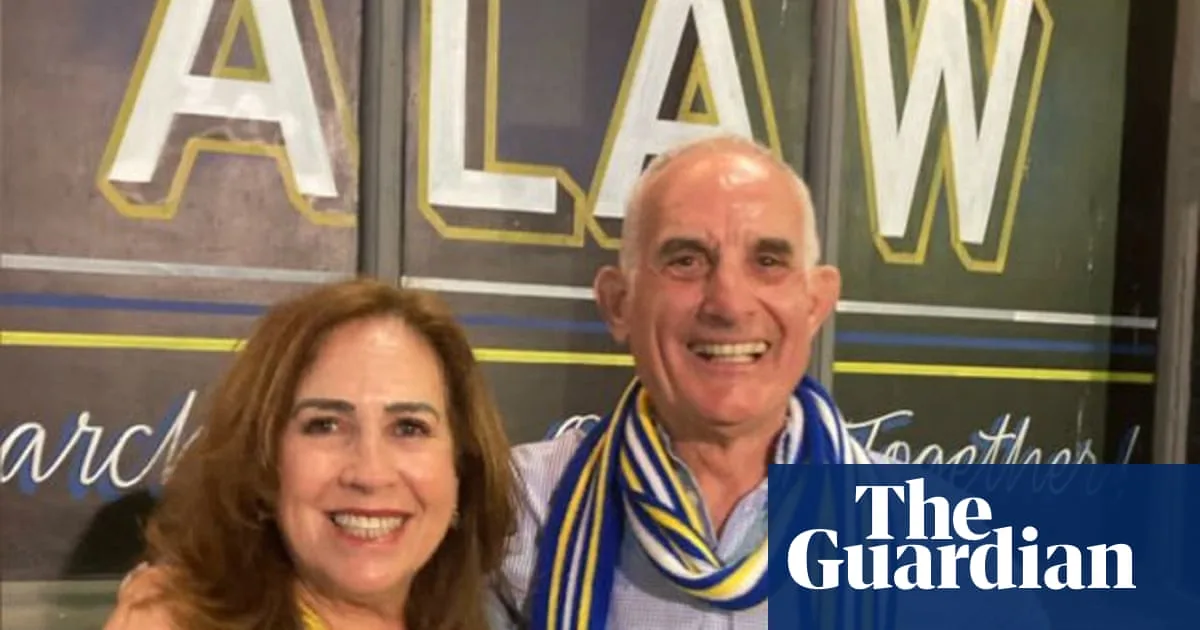
In a groundbreaking medical achievement, a British surgeon based in London has conducted a remote robotic prostatectomy on a patient located 1,500 miles away in Gibraltar. The procedure, which took place earlier this year, involved using a sophisticated four-armed robot equipped with a 3D high-definition camera to remove the prostate of 62-year-old Briton Paul Buxton, who has lived in Gibraltar for four decades.
Pioneering Telesurgery Across Borders
Professor Prokar Dasgupta, a leading urology expert and head of The London Clinic's robotic centre of excellence, directed the operation from a console in London's Harley Street district. The Toumai Robotic System, manufactured by Microport, was employed to execute the complex surgery with remarkable precision. This milestone event highlights the rapid advancements in remote telesurgery, offering new hope for patients in isolated or underserved regions.
Buxton, originally from Burnham-on-Sea in Somerset, was diagnosed with prostate cancer and initially anticipated joining an NHS waiting list and traveling to England for treatment due to the operation's intricate nature. However, he seized the opportunity to participate in this innovative procedure, describing it as a "no-brainer" and expressing pride in being part of medical history. "I love football – we've gone from being in the Championship to the Champions League as far as surgeons are concerned," he remarked, emphasizing the leap in surgical capabilities.
Technological Precision and Minimal Delay
The surgery proceeded seamlessly, with a lag of only 0.06 seconds between Professor Dasgupta's commands in London and the robot's actions in Gibraltar. This minimal delay was achieved through fibre optic connections, backed by a 5G network to ensure reliability. A local medical team at St Bernard's Hospital in Gibraltar was on standby to intervene if any technical issues arose, though their assistance was not required.
Following the operation, Buxton reported feeling "fantastic" within days, underscoring the procedure's success and his swift recovery. He noted that without this remote option, he would have faced significant delays and expenses, including a potential three-week stay in London for NHS treatment. "It's pioneering for Gibraltar, because you don't need to leave Gibraltar," Buxton added, highlighting how such innovations could transform healthcare access in remote areas.
Future Implications and Humanitarian Benefits
Professor Dasgupta praised the surgery as a significant milestone, noting its potential to reduce the "vast expense and inconvenience" for patients who must travel long distances for specialized care. He emphasized the humanitarian benefits, stating, "I think it is very, very exciting, the humanitarian benefit is going to be significant." The success of this procedure paves the way for broader adoption of remote surgery, particularly in regions with limited access to advanced medical expertise.
Looking ahead, Professor Dasgupta is scheduled to perform another remote surgery on 14 March, which will be livestreamed to 20,000 surgeons at the European Association of Urology congress. This event aims to demonstrate the scalability and educational value of such techniques, further integrating remote robotic surgery into mainstream medical practice.

As remote surgery continues to evolve globally, this case exemplifies how technology can bridge geographical gaps, offering life-saving treatments to patients regardless of location. The collaboration between The London Clinic, technology provider Presidio, and Gibraltar's healthcare system showcases a model for future medical innovations that prioritize patient convenience and outcomes.