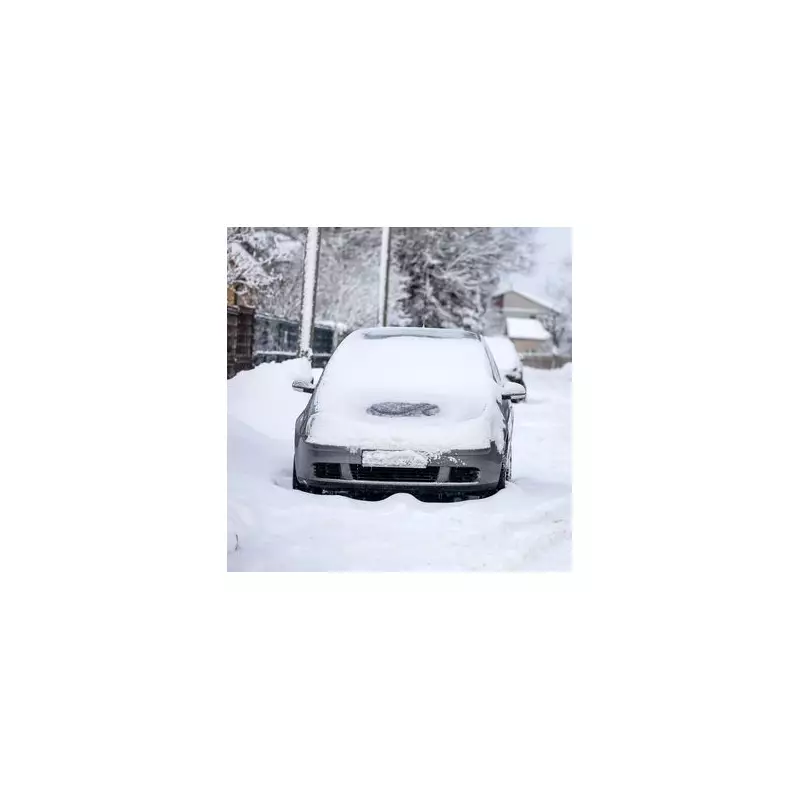
The UK Health Security Agency (UKHSA) has issued a stark nationwide warning, urging the public to take immediate action as a severe cold snap threatens to bring snow blizzards and temperatures plummeting to -12C.
Amber Alert Warns of 'Rise in Deaths'
On Tuesday, 31 December 2025, the UKHSA escalated its warnings to amber for the whole of England. The agency stated that the forecasted weather is likely to cause significant impacts across health and social care services and that a 'rise in deaths' is likely due to the extreme conditions. The warnings are effective from this evening.
The agency emphasised that while cold weather can affect anyone, vulnerable individuals are at particular risk. The difficulty of maintaining homes at the recommended 18C during a deep freeze heightens the danger for many.

Met Office Issues Widespread Snow and Ice Warnings
Supporting the health alert, the Met Office has activated a series of weather warnings for snow and ice across the coming days. These warnings cover parts of England, Wales, Scotland, and Northern Ireland.
The national forecaster's outlook indicates a bitterly cold New Year period. Temperatures could drop as low as -12C in some regions this weekend. New Year's Eve is expected to be dry for much of England and Wales but cold, with increasing winds in the north. Scotland will see wintry showers over higher ground.
The forecast for New Year's Day is for a chilly and windy day nationwide, with wintry showers expected across northern Scotland and down western coasts.
Six Official Tips to Stay Safe and Warm
In response to the imminent threat, the UKHSA has published clear guidance to help Britons prepare and protect themselves. "Anyone can become unwell if they get too cold," the agency cautioned. Here are their six key recommendations:
- Heat key rooms to 18C: Focus on warming the rooms you use most, like living rooms and bedrooms, to at least 18 degrees Celsius.
- Reduce draughts: Use inexpensive draught excluders around doors to keep the cold air out and warmth in.
- Keep bedroom windows shut at night: Ensure windows are closed after dark to retain heat while you sleep.
- Layer your clothing: Wear several thinner layers of clothing, which can be more effective at trapping heat than one thick layer.
- Avoid sitting still for long periods: Try not to remain sedentary for more than an hour at a time.
- Move and stretch: If mobility is difficult, regularly stretching your arms and legs can help generate body warmth.
The government and health officials stress that being prepared is crucial. By following this advice, individuals can mitigate the serious health risks posed by one of the coldest spells forecast this winter.