Health authorities in the United Kingdom have issued updated guidance urging certain individuals to consider wearing face masks as a protective measure against respiratory illnesses. This recommendation comes amid a slight uptick in Covid-19 cases, even as other seasonal viruses show declining trends.
Updated Respiratory Virus Guidance
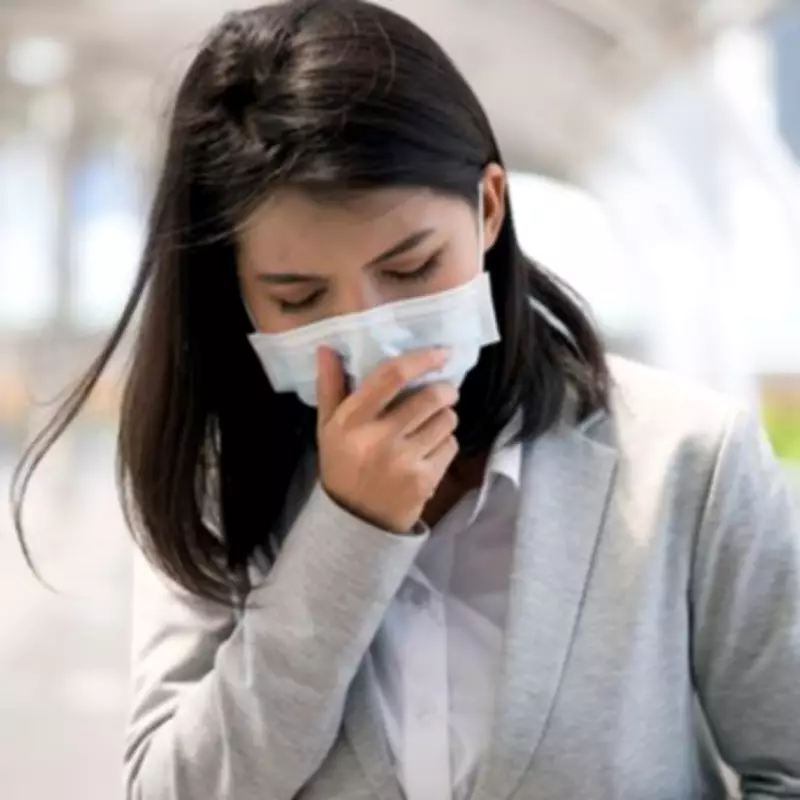
The UK Health Security Agency (UKHSA) has advised that vulnerable populations, including older adults, pregnant women, and young infants, should contemplate using face coverings in specific situations. This precaution is aimed at mitigating the spread of respiratory conditions such as Covid-19, influenza, and respiratory syncytial virus (RSV).
Current Virus Trends
According to the latest data from the UKHSA, Covid-19 cases experienced a minor increase during the week beginning February 2, 2026. In contrast, reports of flu and RSV have continued to decrease week over week, indicating a positive shift in the overall respiratory illness landscape.

Dr Jamie Lopez Bernal, a consultant epidemiologist at UKHSA, commented on the situation, stating, "We are observing a consistent decline in flu and RSV cases, which is encouraging. Although Covid-19 levels are rising, they remain relatively low at this time."
Specific Recommendations
The agency's guidance, published on GOV.UK, outlines several key measures for individuals to follow:
- Ensure indoor spaces are well-ventilated to reduce virus transmission.
- If experiencing respiratory symptoms, stay at home whenever possible and avoid contact with vulnerable groups.
- When going out with symptoms, consider wearing a face mask to protect others.
- Maintain good hand hygiene by washing hands regularly with soap and water.
Dr Lopez Bernal emphasised the importance of these simple steps, noting, "To sustain the downward trend in flu and RSV, I encourage everyone to continue practising basic precautions like handwashing and room ventilation. These actions are crucial for safeguarding both personal health and the wellbeing of more susceptible individuals."
NHS Support for Vulnerable Individuals
The National Health Service (NHS) aligns with the UKHSA's advice, providing additional recommendations for those at higher risk:
- Avoid contact with symptomatic individuals until they recover.
- Prioritise outdoor meetings or ensure indoor spaces are well-ventilated by opening windows and doors.
- Maintain a distance of at least two metres from others, especially in crowded or enclosed environments.
- Explore remote work options or discuss risk reduction strategies with employers.
- Wear a face covering when social distancing is challenging.
- Consider requesting that visitors wear masks or take rapid lateral flow tests before indoor gatherings.
Norovirus Concerns Persist
While respiratory viruses show mixed trends, norovirus activity remains elevated across the UK. Commonly known as the winter vomiting bug, this gastrointestinal illness causes symptoms such as vomiting and diarrhoea.
UKHSA data reveals that norovirus cases are particularly high among adults aged 65 and over, although recent weeks have seen a slight decrease in this demographic. Overall, laboratory reports for weeks five and six of 2026 were 45.9 percent higher than the five-season average for the same period.
Preventing Norovirus Spread
Amy Douglas, lead epidemiologist at UKHSA, highlighted the ongoing challenges posed by norovirus, stating, "Norovirus activity has stabilised at high levels, but we need to see a decline to reduce its impact on communities and the healthcare system. Outbreaks in hospital settings have increased, underscoring the need for vigilance."
To curb the spread of norovirus, the UKHSA recommends:

- Washing hands thoroughly with soap and warm water, as alcohol-based gels are ineffective against the virus.
- Using bleach-based products to disinfect surfaces.
- Avoiding work, school, or nursery for 48 hours after symptoms subside and refraining from preparing food for others during this time.
- Steering clear of hospitals and care homes when unwell to protect vulnerable residents.
Douglas added, "We are seeing the highest case numbers in individuals over 65, so it is essential that everyone adheres to these preventive measures to safeguard public health."
The UKHSA continues to monitor virus trends closely and advises the public to stay informed through official channels like GOV.UK for the latest health guidance.