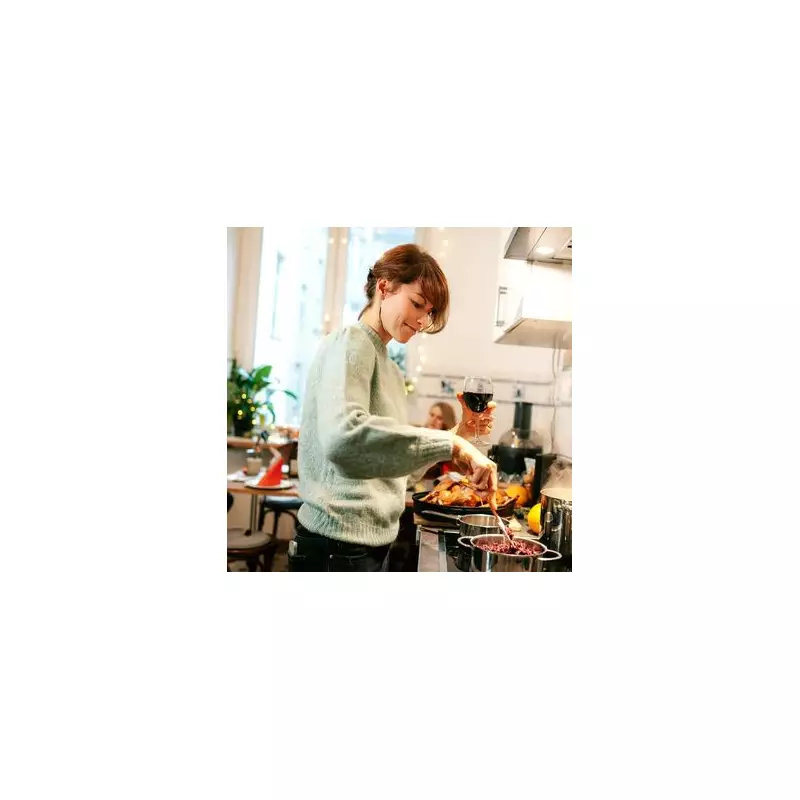
The UK Health Security Agency (UKHSA) has issued a stark, nationwide alert to anyone preparing a festive feast at home this Christmas, highlighting a potentially deadly threat lurking in the kitchen.
The Invisible Danger in Your Kitchen
While the traditional roast is the centrepiece of celebrations, the agency cautions that the method of cooking it could pose a serious hazard. The warning focuses on the risks associated with gas hobs, which are used in more than half of all British homes for their cooking needs.
Although gas offers convenience, defective appliances or supply pipes can lead to the escape of carbon monoxide (CO). This is a colourless, odourless, and tasteless gas that is impossible to detect without a specialist alarm. Its effects are far more severe than simply feeling unwell and can ultimately prove fatal.

Recognising the Signs of a Problem
On social media platform X, the UKHSA urged vigilance: "Cooking with gas this Christmas? Carbon monoxide (CO) is a colourless, odourless gas that you cannot see, smell or taste - but can be deadly. Installing a CO alarm will help protect you and your family."
A key visual indicator on your gas appliance can also signal danger. The agency notes that a 'floppy' yellow or orange flame, instead of a crisp blue one, could be a sign of carbon monoxide production.
Symptoms of Carbon Monoxide Poisoning
Guidance from the NHS lists a range of symptoms that may indicate carbon monoxide poisoning. It is crucial to be aware of these, especially during the festive period when households are busy and symptoms could be mistaken for tiredness or overindulgence.
According to the NHS, you may have carbon monoxide poisoning if you experience any of the following:
- Headaches, dizziness, or feeling weak
- Feeling or being sick, tiredness, and confusion
- Shortness of breath, chest pain, or muscle pain
- Loss of vision
- Your face turning hot and red (flushing) – though redness may be harder to see on brown and black skin
What to Do in an Emergency
If you suspect you or someone in your home is suffering from carbon monoxide poisoning, you must act quickly. The immediate steps are to stop using all appliances that might be leaking the gas, go outside into fresh air, and seek medical advice without delay.
While NHS 111 is the general number to call if you believe you have symptoms, you should dial 999 immediately if you or another person experiences any of the following:
- Chest or muscle pain
- Loss of consciousness
- Difficulty breathing
- Sudden confusion
- Severe weakness
The UKHSA's warning, issued on 24 December 2025, serves as a critical reminder during a time of high kitchen activity. Ensuring your gas appliances are serviced, being aware of the visual signs of a fault, and most importantly, installing a certified carbon monoxide alarm are vital measures to safeguard your household this Christmas.