Wales Health Visitors' Seven-Week Strike Over Pay Disparity with Scotland
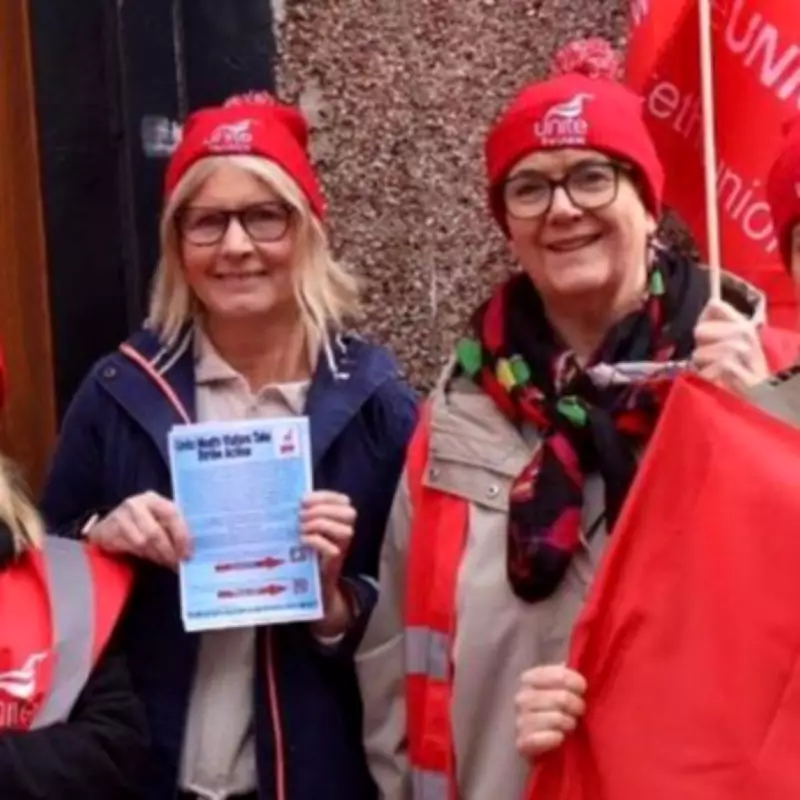
On an all-women picket line in South Wales, health visitor Jo Hyde expresses her deep desire to return to supporting families in Merthyr Tydfil. "In 36 years, I've never been on strike," says Jo, 55, from Ogmore in the Vale of Glamorgan. "We never imagined this would happen. But we've exhausted every other option. We're all struggling with guilt about the families we support, but our goal is to ensure they receive proper support in the future by maintaining a quality service where staff feel valued and respected, and where we can recruit and retain the best professionals."
National Context and Local Action
While national headlines have focused on resident doctors' strikes, Jo and her colleagues at Cwm Taf Morgannwg University Health Board (CTMUHB) have been striking for seven consecutive weeks. Over 100 health visitors covering some of Wales' most deprived areas—Merthyr Tydfil, Rhondda Cynon Taf, and Bridgend—are protesting a banding decision they claim leaves them £8,000 to £9,000 worse off annually compared to their Scottish counterparts.
"We work in high-deprivation areas," Jo explains. "We serve as gateways to numerous essential services. However, the system has become fragmented and unfair. Health visitors across the UK aren't receiving equal pay for delivering identical services."

The Banding Disparity Issue
The health visitors argue that criteria within the NHS Agenda for Change grading and pay system have been interpreted differently across regions. In Scotland, health visitors are classified as Band 7, recognizing their specialist skills and master's-level qualifications. Meanwhile, in parts of Wales and England, they remain at Band 6—a significant pay difference.
"If you evaluate our skills through the NHS job evaluation process, we should be Band 7," says health visitor Melani Smith. "Specialist paramedics are Band 7, and they are predominantly men."
Union Support and Professional Frustration
Unite general secretary Sharon Graham has strongly backed the health visitors' cause. "This is an outrageous attempt by a health board to avoid paying essential staff their worth," she states. "This substantial pay disparity has left our members undervalued and underpaid. They had little choice but to strike, and they have Unite's full support in this dispute."
Jenna Terry, a former midwife from Aberdare who retrained as a health visitor, shares her emotional struggle. With two young children herself, she hates being on strike and worries constantly about the 200 families she supports. "We can't believe this is happening," says Jenna, 36. "I want to remain in this profession long-term—I love it—but we must stand up for ourselves. I want to tell my children we fought for this. Pay matters because it reflects respect for our vital work with children and parents."
Qualifications and Responsibilities
Jenna emphasizes the high qualifications required: "You now need a master's-level qualification to be a health visitor. I studied for five years—first as a midwife, then in specialist community nursing. We're all highly experienced specialists managing large caseloads of 150-200 families from antenatal care to age five. We make referrals across education, health, nutrition, and mental health, with significant safeguarding responsibilities that aren't reflected in our banding."
Melani Smith, with 42 years of NHS service as a nurse, midwife, and health visitor, notes her salary has regressed. "I should be earning more now than I did as a midwife 25 years ago," says the 59-year-old from Bridgend. "Our responsibilities have expanded considerably. We build trust to address issues like domestic violence, heating insecurity, and food poverty—things people won't always disclose directly."

Health Board Response and Upcoming Protest
A CTM Health Board spokesperson responded: "The health board has engaged with Unite and health visiting staff since a formal dispute was lodged in February 2024. The dispute requested updating the Band 6 health visitor job description to reflect role duties and re-evaluate the position. A review process facilitated by NHS Wales Employers resulted in the job description being re-evaluated at the same Band 6 level. It's important to note that health visitor pay banding in our board matches that across England and Wales."
Despite this, the strikers plan to escalate their action. Next Wednesday, 50 to 100 Cwm Taf health visitors will join hundreds of other Unite healthworkers protesting NHS cuts outside Parliament. This national demonstration will showcase solidarity among women strikers who have felt isolated.
"I've served the NHS for 42 years," Melani concludes. "I don't want to strike, but we have no choice. As health visitors, we've been undervalued, and we demand correction."