Women in Eight Key Professions Confront Alarming Burnout Crisis
New research has identified eight specific professions where women face a dramatically higher risk of burnout compared to their male counterparts. A comprehensive study conducted by Westfield Health reveals that women in these roles experience chronic exhaustion at nearly twice the rate of men working in the same fields.
Industries With Highest Female Burnout Rates
The survey examined burnout rates across multiple sectors, with particularly concerning findings in three primary industries:
- Health and Social Care: Nurses, care workers and social workers showed the highest burnout rate at 49% among female employees
- Trade, Transport and Hospitality: Including retail and hospitality workers, this sector recorded a 48% burnout rate for women
- Public Administration and Education: Teachers and civil servants experienced burnout at a rate of 43%
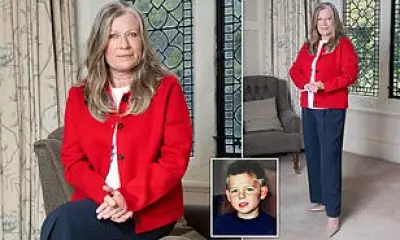
Wellbeing expert Cathy Lawson, who contributed to the research, explained the underlying factors creating these alarming statistics. "Nurses, teachers, care workers and those in customer-facing roles are giving substantial emotional energy every single day," Lawson stated. "When you combine that sustained emotional output with limited flexibility, insufficient recovery opportunities, and significant responsibility without adequate support, the conditions for burnout become almost inevitable."

The Broader Burnout Landscape for Working Women
The research revealed that across all career paths, two in five women in the United Kingdom report feeling burnt out frequently or constantly. This compares to less than one third of men experiencing similar levels of chronic exhaustion. The gender disparity becomes even more pronounced when considering factors outside the workplace.
"Many women manage an invisible second workload beyond their professional responsibilities," Lawson elaborated. "Caring duties, household management, and emotional labour for family and friends continue long after the working day concludes. Carrying this level of sustained pressure across every aspect of life makes proper recovery extremely challenging, and without adequate recovery, burnout becomes nearly unavoidable."
Recognising and Addressing Burnout Symptoms
Burnout often proves difficult to identify during its early stages, as initial symptoms like persistent tiredness, diminished motivation, and increased irritability can be easily dismissed. Many individuals only recognise they're experiencing burnout when physical manifestations emerge, including muscle pains, frequent illnesses, and recurring headaches.
"Feeling burnt out differs significantly from having a difficult week," Lawson explained. "You might notice exhaustion persisting despite adequate rest, or find yourself no longer enjoying activities that previously brought pleasure. There remains a concerning tendency, particularly among women in caring professions, to prioritise others' needs above their own and perceive seeking help as personal failure. This perspective needs urgent revision."
Three Crucial Steps for Managing Burnout
The wellbeing expert outlined three essential actions for anyone experiencing or approaching burnout:

- Communicate with Your Employer: Many companies offer Employee Assistance Programmes providing free counselling and mental health support. Employers may also adjust workloads, offer flexible working arrangements, or implement temporary reasonable accommodations.
- Consult Your General Practitioner: While burnout itself isn't a formal medical diagnosis, it frequently overlaps with and exacerbates conditions like anxiety that benefit from clinical intervention and support.
- Implement Personal Changes: Prioritising fundamental health aspects including sleep quality, nutritional balance, and ensuring adequate daily breaks can significantly help manage stress and mitigate burnout progression.
Lawson emphasised the importance of early intervention, stating: "Burnout does not resolve through perseverance alone. In most instances, pushing through exhaustion actually worsens the condition. Seeking support early represents one of the most effective protective measures available."
The expert concluded with practical advice for overwhelmed individuals: "Burnout often feels overwhelming precisely because everything appears urgent simultaneously. Breaking challenges into manageable components, and honestly assessing what you can reasonably sustain versus what requires adjustment, provides a solid foundation for recovery."