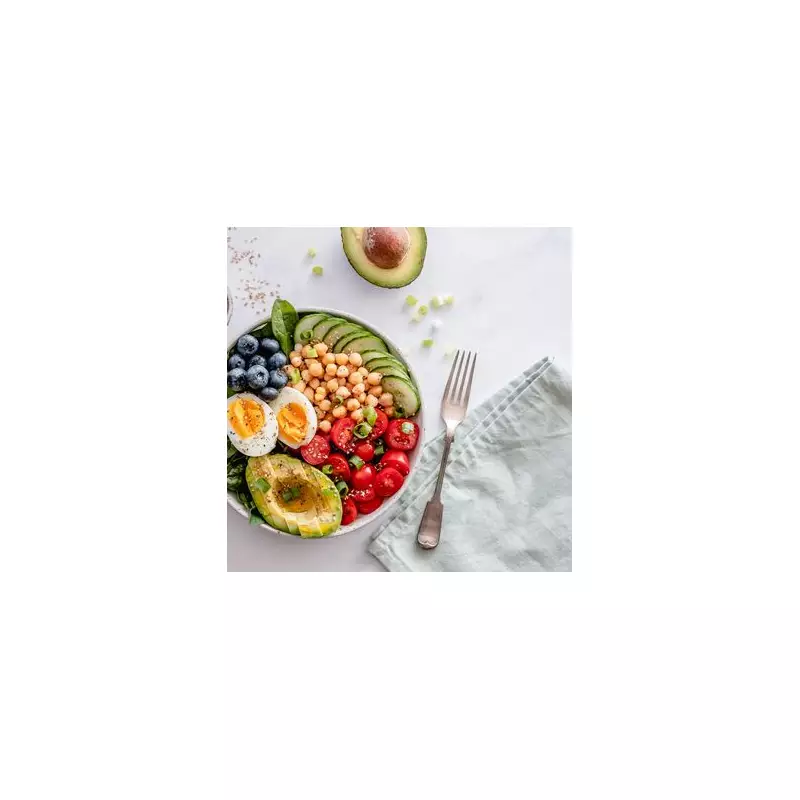
For many people, the constant grind of counting calories and measuring portions can make weight management feel like an uphill battle. But what if some foods were so inherently satisfying and low in energy that piling on pounds from them was nearly unachievable, no matter the quantity consumed?
The Expert's List of Weight-Friendly Foods
According to the health and fitness channel Gravity Transformation - Fat Loss Experts, there exists a selection of foods that are remarkably difficult to overindulge in. They are quick to clarify that "almost" impossible does not grant a licence for endless gorging, as excessive consumption of any food can still impact wellbeing. Maintaining a balanced diet and regular exercise remains paramount.
So, which foods made their list? Here are the nine items you can enjoy more liberally without the fear of weight gain.

1. Eggs
Eggs are celebrated for their exceptionally high protein content, which promotes a strong feeling of fullness. The protein also has the effect of speeding up your metabolism. The experts explain that this means "you don't fully absorb all the calories from the eggs because a large portion is burnt off during the digestion process." Be mindful, however, that preparing an omelette loaded with high-calorie toppings will change this equation.
2. Salmon
Wild-caught salmon is the recommended choice here. Experts advise steering clear of farm-raised varieties, which contain significantly more fat. The fat loss specialists suggest that wild-caught salmon is excellent for weight management because it is high in protein, very filling, and has roughly half the fat content of its farmed counterpart.
3. Salsa
"Salsa is one of the lowest-calorie dips available," state the experts. According to Healthline, a typical two-tablespoon serving contains an average of fewer than 10 calories. This allows you to add it generously to dishes without strict portion control. Ingredients like jalapenos, which contain capsaicin, may also boost the body's fat-burning ability.
4. Pickles
Pickles are naturally low in fat and calories, making them a smart choice for volume eating. They also provide small amounts of essential vitamins and minerals. A key caveat is their high sodium content. An expert from the Cleveland Health Clinic noted that daily consumption might be acceptable for those who otherwise eat a very low-salt diet with minimal processed foods.
5. Chicken Breast
A staple of lean protein, chicken breast offers high protein per serving while remaining low in fat. Healthline details that a 100-gram serving provides 165 calories, 31 grams of protein, and 3.6 grams of fat. This means approximately 80% of its calories come from protein.
6. Watermelon
"Watermelon consists mostly of water (91%) and carbs (7.6%). It provides almost no protein or fat and is very low in calories," said Healthline. The experts highlight that 100 grams of watermelon contains only 30 calories.
7. Mushrooms
Mushrooms earn their place due to a low calorie count coupled with richness in vitamins and nutrients. A food specialist cited Reishi, Lion's mane, Turkey tail, and Chaga mushrooms as particularly beneficial types for weight loss support.
8. Bell Pepper
Like mushrooms, bell peppers are low in calories yet nutrient-dense, supporting metabolism and the immune system. Dominion Integrated Farms notes that a medium 120-gram pepper contains only 30 to 40 calories. Their fibre and water content promote satiety, adding bulk to meals without a significant calorie increase.
9. Popcorn
When air-popped and lightly seasoned, popcorn is a surprisingly great low-calorie snack, providing fibre and antioxidants. The American Heart Association warns against commercial varieties, noting that a movie theatre tub can contain up to 1,090 calories and 2,650 milligrams of sodium.

Key Takeaways for Sustainable Eating
While these nine foods are remarkably forgiving, the overarching message from experts is one of balance. No single food is a magic bullet, and context matters immensely—how a food is prepared and what it's paired with can drastically alter its impact. Incorporating these satisfying, low-calorie options into a varied diet and active lifestyle offers a more sustainable path to weight management than relentless restriction alone.