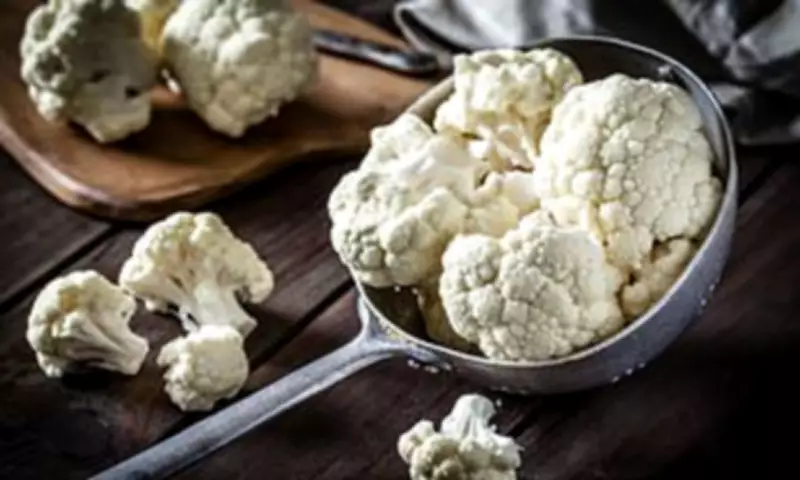
For generations, cauliflower has endured being boiled into bland submission, yet this resilient vegetable consistently stages dramatic comebacks, maintaining its cherished position on dinner plates worldwide. As one of the most adaptable members of the cabbage family, cauliflower has historically led an unassuming culinary existence, despite its incredible versatility.
The Botanical Background and Colourful Varieties
Cauliflower belongs to the brassica family, sharing close kinship with broccoli, kale, and Brussels sprouts. This fascinating vegetable comprises tightly packed, undeveloped flower buds that emerge from a substantial central stem. While the classic white-headed variety remains most recognizable, cauliflower displays remarkable diversity through purple, green (frequently termed broccoflower), and the visually stunning spiral-shaped romanesco cultivars.
Nutritional Profiles Across Colours
Nutritionally, different cauliflower varieties share fundamental similarities, though coloured types often contain marginally elevated antioxidant levels. Purple cauliflower benefits from anthocyanin pigments, while green varieties offer additional chlorophyll content. No single type claims nutritional superiority, making dietary variety more crucial than selecting any specific cultivar. Consuming diverse colours represents a straightforward strategy to broaden your intake of beneficial plant compounds.

Historical Origins and Global Migration
Historical records indicate cauliflower likely originated in the eastern Mediterranean region, with initial cultivation occurring around Cyprus and the Middle East over two millennia ago. From these ancient beginnings, cauliflower gradually spread across southern Europe, becoming particularly established within Italian cuisine during the Renaissance period.
By the sixteenth and seventeenth centuries, cauliflower had reached northern Europe, where agricultural advancements enabled more reliable cultivation in cooler climates. The vegetable became firmly embedded in British culinary traditions during the eighteenth and nineteenth centuries, coinciding with expanded market gardening around London and other growing urban centres.
Cauliflower's British Culinary Legacy
British cooks valued cauliflower as a dependable winter vegetable that could be stored effectively and prepared in simple, satisfying dishes. Over time, it evolved into a traditional dinner table staple, most famously featured in cauliflower cheese, where its mild flavour perfectly complements rich, cheesy sauces. The vegetable was also commonly boiled (often excessively) and served alongside roasted meats and potatoes as part of classic Sunday roasts.
Global Culinary Applications
Beyond British cuisine, cauliflower has been utilized for centuries across Indian, African, and Middle Eastern culinary traditions. In India, it appears in spiced curries and vegetable preparations like aloo gobi, while North African cuisine incorporates cauliflower into tagines and roasted vegetable dishes. Ethiopian cooks feature it in hearty vegetable stews.
Modern Culinary Renaissance
The recent keto diet phenomenon propelled cauliflower into nutritional stardom, according to nutritional therapist and naturopathic chef Hanieh Vidmar. "When the keto diet became popular, cauliflower was at the forefront because it's incredibly versatile," she explains. "You can create cauliflower rice, pizza bases, mashed potato alternatives, and even culinary foams for sophisticated dishes."
Nutritional Breakdown and Health Considerations
Cauliflower provides approximately 2 to 2.5 grams of dietary fibre per 100-gram serving (about one cup of chopped raw cauliflower), primarily as healthy insoluble fibre that supports digestive health and promotes satiety. Remarkably low in calories, one cup of raw cauliflower contains merely 25–27 calories, making it ideal for weight management when substituted for higher-calorie starches like rice or potatoes.
Carbohydrate and Fat Content
With only about 5 grams of carbohydrates per cup and essentially no inherent fat content (except when cooked with oils or butter), cauliflower serves as an excellent component for weight loss regimens and balanced diets.

Utilizing the Entire Vegetable
Frequently discarded stems and leaves are entirely edible and nutritious. "Some people deep-fry them tempura-style, chop them finely for soups, or use them alongside other vegetable scraps to create flavourful vegetable broths," notes Vidmar, highlighting opportunities to reduce food waste while enhancing nutritional intake.
Comprehensive Nutrient Profile
While broccoli contains slightly higher vitamin C and K levels plus additional magnesium, cauliflower offers superior pantothenic acid (vitamin B5) and vitamin B6 content. Pantothenic acid plays crucial roles in energy metabolism, hormone production, and red blood cell formation. Cauliflower also provides vitamin C, folate, vitamin K, potassium, and choline, collectively supporting immune function, energy metabolism, and cellular processes.
Medication Interactions and Digestive Considerations
Individuals taking warfarin should maintain consistent cauliflower consumption rather than eliminating it completely, due to its vitamin K content affecting blood clotting mechanisms. Those on thyroid medication should avoid raw cauliflower in large quantities, as cruciferous compounds may interfere with iodine uptake—cooking typically reduces this effect.
For people with irritable bowel syndrome (IBS) or following low-FODMAP diets, cauliflower's fermentable carbohydrates may cause digestive discomfort. "It can ferment quickly in the small intestine, potentially causing bloating and gas," cautions Vidmar, recommending moderate portions of about one cup to minimize discomfort while obtaining nutritional benefits.
Optimizing Nutritional Pairings
"Pair cauliflower with protein sources for balanced blood sugar," suggests Vidmar. "Combine it with healthy fats like avocado, butter, or olive oil to enhance fat-soluble vitamin absorption, particularly vitamin K. Incorporating multiple vegetables increases overall fibre intake, addressing the fact that 96 percent of adults have inadequate fibre consumption."
Ideal Preparation Methods
To preserve both texture and nutrients, avoid overcooking cauliflower. "You want slight crunchiness—gently steam it rather than making it mushy," advises Vidmar. Light cooking methods help retain heat-sensitive nutrients like vitamin C and B vitamins.
Creative Culinary Applications
Professional chefs celebrate cauliflower's versatility. Leonard Tanyag, Executive Chef at London's Los Mochis restaurant, observes: "The biggest misconception concerns its pale colour—people assume it lacks flavour or nutrients. Actually, it absorbs flavours beautifully and can become a dish's star when prepared properly."
Chef Tanyag recommends innovative preparations like crispy cauliflower with sesame, spring onion, and wasabi aioli, or poached cauliflower served with guacamole or salsa. "Pairing cauliflower with kimchi creates vibrant, unexpected dishes with bold fermented flavours," he adds.
Supplement Considerations
While powdered cauliflower supplements exist, whole vegetables generally provide superior nutritional value. Processing typically diminishes texture, fibre content, and nutritional complexity. The synergistic interaction between cauliflower's vitamins, fibre, and phytonutrients delivers optimal health benefits that supplements cannot fully replicate.
From its ancient Mediterranean origins to contemporary superfood status, cauliflower's journey demonstrates remarkable adaptability. Whether roasted, mashed, pickled, or riced, this humble vegetable continues to reinvent itself while delivering substantial nutritional advantages to global cuisines.