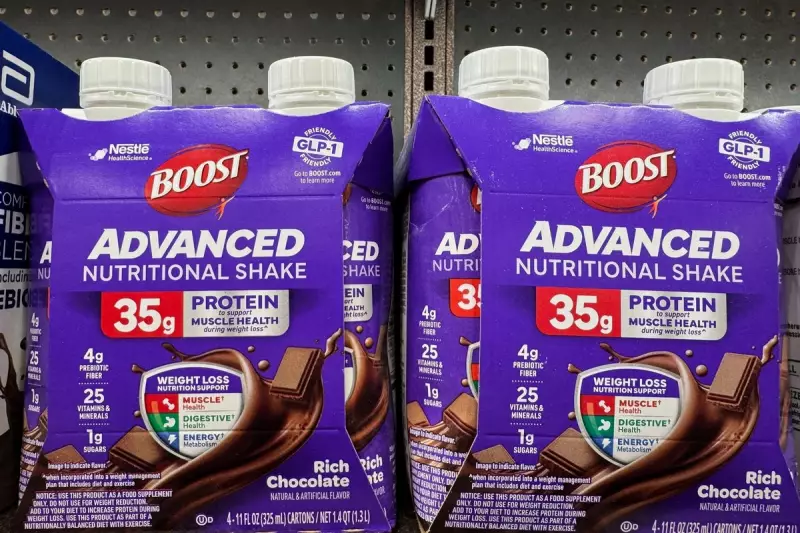
A new wave of food products branded as "GLP-1 Friendly" is appearing on supermarket shelves, directly targeting the millions of Americans now using powerful weight-loss medications like Wegovy and Zepbound. However, experts are raising the alarm that these labels are not regulated by the U.S. Food and Drug Administration (FDA), unlike the drugs themselves, and may mislead consumers about their nutritional value.
What Does 'GLP-1 Friendly' Really Mean?
Dietitians stress that while these medications are effective for weight loss, they do not provide nutritional education. "A drug does not educate you on how to eat properly," emphasised Suzy Badaracco, a registered dietitian and president of Culinary Tides. She warns that users are not magically equipped to make healthy choices without professional guidance.
The core nutritional needs for someone on a GLP-1 agonist are similar to the general population's, but with a crucial difference: portion size. Shannon Christen, a dietitian at UCHealth University of Colorado Hospital, notes users may eat around 50% less due to the drugs' appetite-suppressing effects. Therefore, every bite must be nutrient-dense.

Key dietary focuses include:
- High Protein: Essential for preserving muscle mass during weight loss. Christen recommends 20-30 grams per meal.
- High Fibre: Helps combat constipation, a common side effect. Samantha Snashall of Ohio State University advises aiming for the USDA's daily recommendation.
- Hydration: The drugs can blunt thirst signals, making dehydration a risk. Badaracco recommends water and water-rich fruits and vegetables.
- Avoiding Triggers: Snashall suggests steering clear of deep-fried, sugary, high-fat, spicy, or acidic foods that can worsen side effects.
A Booming Market Attracts Food Giants
The commercial opportunity is significant. A Kaiser Family Foundation study found that around 12% of U.S. adults were taking GLP-1 drugs as of November for weight loss or conditions like diabetes. With drugs like Wegovy becoming available in pill form, demand is expected to grow further.
Major food corporations are swiftly entering this space. Nestlé launched its Vital Pursuit frozen meal line in autumn 2024, later adding a "GLP-1 Friendly" label after customer feedback. Jennifer Barnes, Nestlé's VP of brand marketing, reported brisk sales, noting 77% of purchases come from households not using the drugs, indicating broader appeal.
Similarly, Conagra Brands added the label to 26 Healthy Choice meals in early 2025. Smoothie King offers a "GLP-1 Support Menu," and meal-kit services like Factor have "GLP-1 Balance" options. Both Nestlé and Conagra received approval from the USDA's Food Safety and Inspection Service for their labels, with the USDA stating the term was not misleading when paired with protein and fibre information. However, the agency reiterated there is no official regulatory standard for "GLP-1 Friendly."
Other companies target the demographic without explicit labelling. Lactalis launched its high-protein, high-fibre Ratio Pro Fiber yogurt in the U.S. in November, formulated with GLP-1 users in mind. Restaurant chains Chipotle and Shake Shack have also recently debuted protein-heavy items aimed at this group.
Expert Advice: Look Beyond the Label
While convenient, packaged "GLP-1 Friendly" foods require scrutiny. "Labels can be very misleading, making a person think it's healthier than it is," cautioned Samantha Snashall. She advises checking for added sugar and sodium.
For example, Nestlé's Vital Pursuit Cauliflower Crust Three Meat Pizza provides good protein but contains 40% of the recommended daily sodium and saturated fat. Christen recommends foods with under 10 grams of fat per serving to avoid aggravating nausea. Similarly, a Smoothie King Gladiator GLP-1 smoothie can contain more calories and cholesterol than a Krispy Kreme doughnut.
Christen expressed hope that if labels are used, they should signify truly nutrient-dense, reasonably portioned food. "Done responsibly, I think the labels could actually help people make smart choices... but done poorly, it could trivialise the medical treatment," she said.

Suzy Badaracco goes further, advising clients against using the term altogether. She believes labels should focus on tangible benefits like protein and fibre content rather than referencing a medical treatment. "You want to talk to the consumer about what it is that they're looking for," she stated, advocating for clarity over potentially confusing marketing.