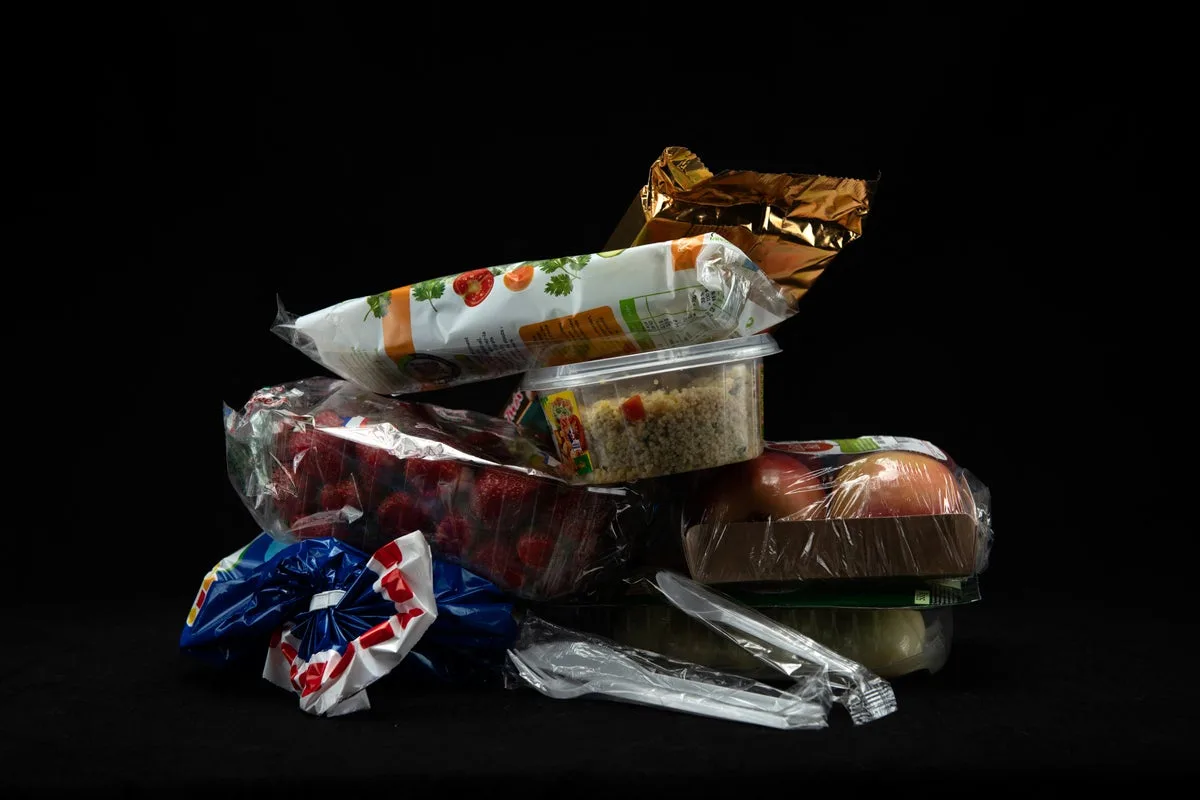
Simple Food Handling Changes Can Halve Exposure to Toxic Plastic Chemicals
Food Handling Changes Halve Toxic Plastic Chemical Exposure

A groundbreaking new study has demonstrated that straightforward modifications to everyday food handling processes can dramatically reduce human exposure to toxic plastic chemicals. Researchers found that by implementing a "low plastic" diet and lifestyle intervention, levels of hazardous compounds like phthalates and bisphenols in the body could be cut by approximately half in just one week.

The Plastic Detox Intervention

The comprehensive clinical trial, conducted by an interdisciplinary Australian research team, assessed the health benefits of minimising all plastic "touchpoints" throughout the food production chain. This includes reducing plastic contact during production, handling, processing, packaging, preparation, and storage of food products and personal care items.

"This trial has delivered a message of hope that we can actively reduce plastic chemical levels in our bodies," said study author Michaela Lucas from the University of Western Australia. "Our results showed strictly adhering to a diet of food which has not touched plastic, whether that is during production or packaging, can reduce plastic chemicals in our body in as little as a week."

Wide Pickt banner — collaborative shopping lists app for Telegram, phone mockup with grocery list

Study Methodology and Participants

The research involved 211 healthy adults who initially showed concerning levels of plastic chemicals in their bodies. Each participant was found to have at least six different chemical types present on any given day. Researchers analysed urine, blood, and nasal samples alongside behavioural questionnaires and socio-demographic data to establish baseline measurements.

Sixty participants were selected for the intervention trial, divided into five groups to test the effectiveness of replacing food, beverages, kitchenware, and personal care products with low-plastic alternatives. The researchers worked extensively with over 100 farmers and food producers to transform food handling processes and packaging throughout the supply chain.

Significant Chemical Reduction Results

After just seven days of intervention, all trial groups demonstrated substantial decreases in plastic chemical levels compared to the control group. The most striking findings revealed that by switching to low-plastic kitchenware and personal care products, participants experienced more than a 44% reduction in phthalates and over 50% reduction in bisphenols in their urine samples.

"Participants had access to any type of food they would usually consume – pasta, salads, meats, butter, chocolate, fruit and snacks – which allowed energy intake to remain the same," explained co-author Amelia Harray from the University of Western Australia. "By delivering participants low plastic food and providing them with plastic-free kitchenware, such as stainless-steel pots, pans, kettles, toasters and wooden chopping boards, we showed changing what you eat and how you prepare food could reduce plastic chemicals in the body."

Health Implications and Plastic Chemical Concerns

The daily use of plastic products has been increasingly associated with significant health risks, including hormone fluctuations, reproductive conditions, and various types of cancer. Recent estimates suggest over 16,000 chemicals are used in plastic manufacturing, with many established as hazardous to human health.

Eating highly processed, packaged, and canned foods and beverages were identified as major contributors to plastic chemical levels in study participants. The research team also removed other plastic chemical sources like silicones and cans from participants' food supply chains during the intervention period.

While several countries have implemented measures to limit exposure to hazardous plastic chemicals, regulation of individual compounds has proven challenging. This study provides practical, evidence-based approaches that individuals can implement to protect themselves from these pervasive environmental contaminants.

The findings underscore the importance of considering plastic exposure throughout the entire food system and demonstrate that relatively simple changes in food handling and preparation can yield substantial health benefits by reducing toxic chemical accumulation in the human body.

Pickt after-article banner — collaborative shopping lists app with family illustration