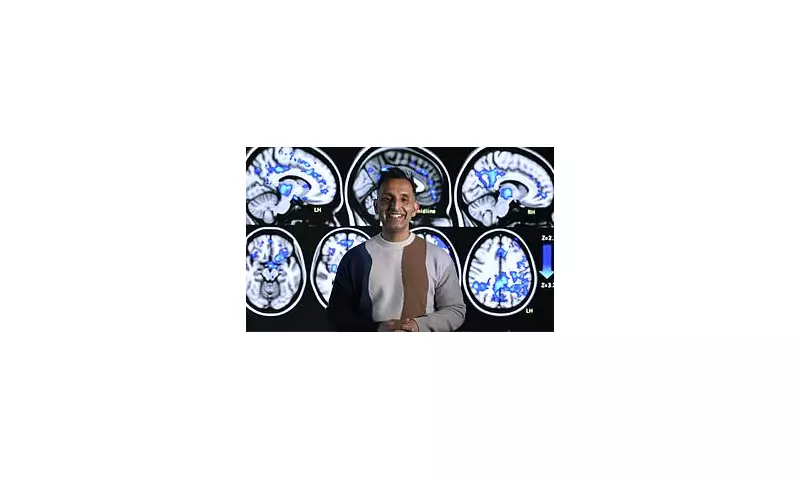
A new documentary from Channel 5 has delved into the science of maintaining a youthful and agile mind, offering practical advice that ranges from dietary tweaks to digital detoxes. The programme, 'How To Keep Your Brain Young', presented by Dr Amir Khan, premiered on Wednesday, January 14, and presented a compelling mix of historical anecdote and modern neuroscience.
The Fishy Secret to a Bigger Brain
The show opened with a nod to P.G. Wodehouse's fictional valet, Jeeves, whose remarkable intellect was famously attributed by Bertie Wooster to a diet rich in fish like sole and sardines. Intriguingly, researchers at King's College London now have scientific evidence that supports this literary notion.
Neuroscientist Professor Sandrine Thuret explained that our brains constantly produce new neurons, creating roughly 700 each day. She revealed that a diet high in omega-3 fatty acids—found abundantly in flaxseeds, walnuts, and particularly oily fish—can boost this neurogenesis by up to 20%. This equates to more than an extra 100 new brain cells daily, a cumulative effect that could significantly enhance mental agility over time.

Diet for Thought: From Blueberries to 'Second Brains'
Much of the documentary's advice centred on nutrition. It highlighted fermented foods like sauerkraut and pickled cabbage as beneficial for the 'brainbox', alongside blueberries, which are packed with inflammation-reducing flavonoids. The programme even explored the concept of the gut being considered a 'second brain' by some experts, emphasising the profound link between digestion and cognitive function.
Other unusual tips included the potential cognitive benefits of standing on one leg with an eye closed, and the suggestion that the smell of wet earth (geosmin) after rainfall might boost serotonin levels. However, the show was critiqued for sometimes offering these suggestions without full explanation.
The Scrolling Threat to Our Attention Spans
In a stark shift from dietary solutions, the documentary tackled a major modern threat to cognitive function: smartphone addiction. It cited a statistic that a quarter of Britons admit to being addicted to their devices, checking them obsessively day and night.
The programme featured Joey, a young father from Yorkshire, who confessed that his phone obsession led him to ignore his own daughters. Dr Khan warned that such excessive use erodes our attention spans. While the documentary touched on a radical potential treatment involving psilocybin from magic mushrooms, it also showed Joey's simple, drug-free solution: locking his phone in a box, which he reported solved the problem.
The documentary ultimately provided a dual message: we can actively nourish our brains through deliberate dietary and lifestyle choices, but we must also consciously protect our focus from the pervasive drain of digital distraction.