That familiar mid-afternoon fog, where eyelids grow heavy and concentration wanes, is a near-universal experience. For many, the post-lunch hours bring a significant dip in energy and alertness, impacting work performance and overall wellbeing. But what causes this common crash, and more importantly, how can we effectively combat it?
The Science Behind the Afternoon Slump
According to Dr Thomas Marjot, a hepatologist at Oxford University Hospitals with a research interest in circadian rhythms, two key biological processes converge to create the classic afternoon slump. The first is sleep pressure – the natural tiredness that builds the longer we are awake. The second is our internal circadian clock, which governs daily patterns in alertness and naturally dips in the afternoon.
"For most people, it is at about 3pm when there is a pronounced dip in energy," explains Dr Marjot. "Sleep pressure has been rising for several hours, and at the same time the circadian alertness signal naturally dips. When those two things coincide, we feel it." This pattern is so ingrained that it persists even in controlled "bunker" experiments, devoid of daylight or time cues, proving it is a fundamental part of human biology.

While chronic tiredness warrants a medical consultation, the occasional afternoon dip is normal. However, as Dr Linia Patel, a registered dietitian and nutritionist, points out, "getting tired at your desk is not great." The implications can range from reduced productivity to more serious risks, such as drowsy driving.
Practical Strategies to Regain Energy and Focus
Fortunately, experts offer several evidence-based tactics to navigate the slump without reaching for a sugary snack or a third coffee.
Rethink Your Lunch: A large, carbohydrate-heavy meal can significantly worsen the afternoon dip. "The parasympathetic nervous system, responsible for 'rest and digest', is massively activated with a large meal," says Dr Marjot. Dr Patel advises composing your lunch plate with care: a quarter wholegrain carbohydrates, a quarter protein, and half vegetables or fruit. This balance provides sustained energy without the crash. She warns against relying on sugar for a quick fix, as it often leads to a subsequent energy crash.
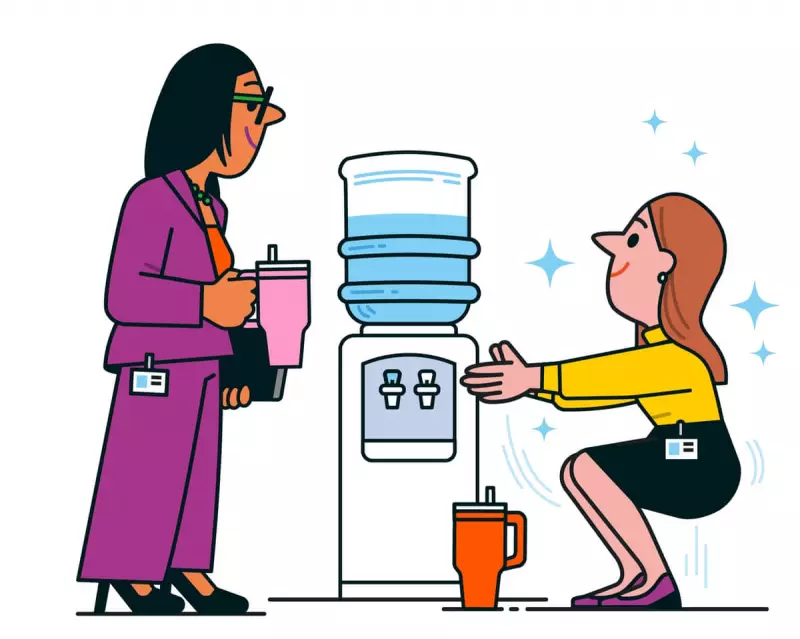
Hydrate, Hydrate, Hydrate: Dehydration is a frequent and overlooked culprit. "Most of the time I find people who have a slump are also dehydrated," states Dr Patel. The guidance is to drink 1.5 to 1.8 litres of water daily. A simple check is the colour of your urine – the clearer, the better.
Move and Get Daylight: Resist the urge to slump back into your chair. A brief walk outside after eating aids digestion and boosts alertness. Dr Katharina Lederle, a sleep therapist and chronobiologist, recommends getting up for a mini movement break every hour. Furthermore, exposure to natural daylight is a powerful signal to your circadian system that it's time to be awake, which is especially crucial in the dark winter months.
Caffeine, Naps, and Social Connection
Caffeine can be a useful tool if used wisely. Dr Marjot calls it "the most readily available and socially acceptable stimulant." However, tolerance varies greatly. Dr Patel advises a general limit of 400mg of caffeine per day (roughly two cups of coffee) and suggests cutting off intake by lunchtime to avoid disrupting sleep. She cautions against energy drinks due to their high sugar and additive content.
Is a nap the answer? Experts are divided. Dr Lederle says a short nap of 20 to 30 minutes during the alertness dip can be beneficial for those who sleep well at night. However, Dr Katie Cooper, a psychologist, suggests that those with chronic sleep issues might be better off taking a walk instead.
Social interaction is a guaranteed wake-up call. A 2018 study found socialising during a micro-break improved performance. If working from home, even sending a message to a friend can help. Dr Cooper also recommends seeking novelty, like taking a different route home, to stimulate dopamine – the "lust for life" neurotransmitter that keeps us energised.

Ultimately, beating the slump is a holistic endeavour. Good night-time sleep hygiene is the foundation for daytime energy. This includes morning daylight exposure, a cool, dark bedroom, and winding down before bed. By understanding the biological roots of the afternoon dip and implementing these strategic habits, you can reclaim your focus and productivity, turning the dreaded slump into a manageable part of your day.