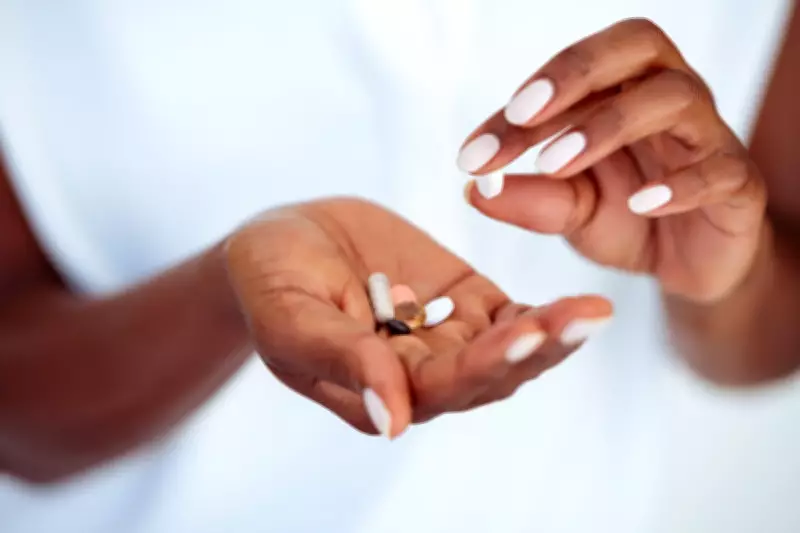
Social media is saturated with menopause solutions: powders for brain fog, gummies for sleep, or capsules promising hormonal balance. Supplements such as magnesium, lion's mane, creatine, and collagen are being marketed as must-haves for perimenopause and menopause. But how much of this is actually grounded in science?
Understanding Menopause Symptoms
During perimenopause and menopause, fluctuating and declining oestrogen levels can trigger symptoms such as hot flushes, night sweats, sleep disruption, anxiety, brain fog, joint pain, and changes in muscle mass and body composition. Hormone replacement therapy (HRT) remains the most effective treatment for many symptoms, but not everyone can or wants to use it. This is why alternative remedies attract so much attention.
Magnesium
Magnesium plays a role in more than 300 metabolic processes, including muscle relaxation, nerve signalling, and blood pressure regulation. Several menopause-related symptoms overlap with areas where magnesium has effects. For instance, many menopausal women experience sleep problems. Clinical trials in adults, including older women, show magnesium can improve how fast you fall asleep and reduce insomnia severity. Anxiety can also be an issue for menopausal women. Meta-analyses show magnesium supplements can modestly reduce anxiety symptoms, particularly in people with low magnesium levels. However, this research wasn't specifically done in menopausal women. Menopause also places women at higher risk of osteoporosis. As oestrogen levels fall, certain bone cells become more active, causing bone to be lost faster than it's rebuilt. But magnesium contributes to bone density by encouraging the formation of new bone. Given some older women may have low magnesium levels and low bone density, this supplement may help address this menopause-related issue. However, magnesium has not shown benefit for hot flushes, weight changes, or cognitive symptoms. The type of magnesium you take matters. Magnesium citrate and glycinate tend to be better absorbed by the body, while magnesium oxide is absorbed less efficiently. High doses can cause diarrhoea and may affect the heart and nervous system. People with kidney disease should avoid supplementation unless medically supervised.

Lion's Mane Mushrooms
Lion's mane mushroom is promoted to help with brain fog, a common complaint for women going through menopause. Animal studies suggest lion's mane extract may stimulate new brain cell growth and support the hippocampus, the brain structure involved in memory and emotional regulation. A different animal study also showed the supplement reduced depressive-like behaviour in menopausal rats. But the small human trials that have been done show mixed results, with only some reporting mood improvements. Importantly, none of these studies involved menopausal women. If you're still keen to try the supplement, it's usually well tolerated, though those with mushroom allergies should avoid it.
Creatine
Although researchers have studied creatine for decades, most of that work has focused on men. But emerging research suggests it has many benefits for women in perimenopause and menopause. A 14-week study found creatine supplementation significantly increased lower body strength and improved sleep quality in perimenopausal women. These improvements in muscle strength are notable, given the increased risk of sarcopenia during menopause. However, evidence in post-menopausal women is mixed. One review found creatine may offer minor short-term benefits in post-menopausal women, but sustained supplementation didn't produce significant muscle or bone health improvements. Creatine may also support the brain. Growing evidence suggests it may support memory, focus, and mood, particularly during periods of hormonal fluctuation or mental fatigue. However, more research is needed specifically in menopausal women. Perimenopausal women have about a 40% higher risk of developing depressive symptoms or receiving a depression diagnosis than premenopausal women. Some limited data suggests that taking creatine alongside an antidepressant can accelerate symptom improvement in women. Creatine is generally safe, though those with kidney disease should seek medical advice before taking it.

Collagen
Collagen supplements are widely marketed for skin elasticity, joint health, and healthy ageing. Collagen is the body's most abundant protein, giving structure to bones, cartilage, tendons, ligaments, muscles, and skin. As we age, collagen-producing cells become less active, contributing to visible skin ageing and weaker bones. A year-long trial in postmenopausal women found daily collagen supplementation led to small but significant increases in bone mineral density compared with a placebo. This suggests collagen supplements may help counter age-related bone loss in postmenopausal women. Research also indicates collagen supplements may ease joint discomfort and stiffness, particularly in people with osteoarthritis. This could be relevant for menopausal women as many experience the onset or worsening of joint issues during this time. However, more robust research is needed in menopausal women. It's important to note that collagen supplements differ widely due to how they're produced and the source they come from, making the evidence hard to interpret. Different products can behave very differently in the body. For instance, hydrolysed collagen is absorbed far more easily than the collagen molecules found in food, meaning it is more likely to reach tissues where it may support skin, joint, and muscle health. Side effects tend to be minimal, although people with liver or kidney conditions should consult a doctor or pharmacist first.
Final Verdict
So, are supplements worth it? Based on the current evidence, magnesium and creatine seem to be the most beneficial. However, it's clear more research is needed. Supplements can also be expensive, and their quality can vary widely. While supplements can feel empowering, until stronger evidence emerges proving their benefits, a healthy lifestyle remains the best, evidence-based way to navigate perimenopause and menopause. Regular exercise (especially strength training), good sleep habits, balanced nutrition, limiting alcohol, and managing stress all support menopausal wellbeing. These approaches also improve long-term health outcomes, including heart and bone health.