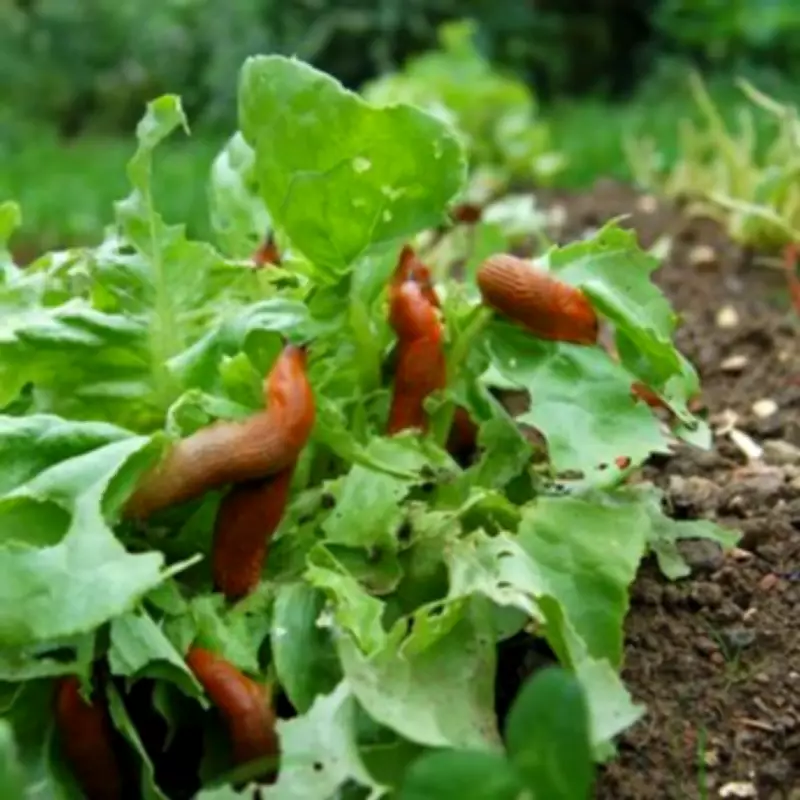
Slugs and snails may appear harmless, but many homeowners know the havoc they can wreak in gardens during spring and summer. These pests destroy plants and crops, even wiping out harvests by consuming fruits like strawberries and tomatoes. However, a gardening expert has revealed a 'secret weapon' available at garden centres that few people are aware of.
The Eco-Friendly Solution
Peter Dowdall, known as The Irish Gardener, shared his 30 years of experience, stating that snails and slugs are 'the most common garden problem right now.' He exclusively told The Mirror that many people immediately resort to slug pellets, which he dislikes for ecological reasons. Instead, he recommends sheep's wool pellets as a barrier product.
'There is a secret weapon if you like against slugs and snails which not a lot of people are aware of and that's sheep's wool,' Dowdall said. 'There are pellets available made from sheep's wool which are perfect barrier products.'

These pellets are placed around plants to create a barrier that slugs cannot cross. Importantly, this method does not kill the slugs, preserving them as food for hedgehogs and birds. Dowdall emphasised the importance of maintaining a natural balance in the garden, preventing any single species from dominating.
How Sheep's Wool Pellets Work
Sheep's wool pellets are eco-friendly and sustainable, often made from wool that would otherwise go to waste. They cost up to £14 in the UK and are available at most garden centres. By forming a physical barrier, they deter slugs and snails without harming the environment.
A Common Gardening Mistake
In addition to pest control, Dowdall warned of a common mistake gardeners make in spring. He noted that people are in a 'mad rush' to add colour to their gardens as the weather improves, buying summer bedding plants and putting them out immediately. 'That's a big mistake,' he said.
He explained that while daytime temperatures may be pleasant, nights remain cold. 'It doesn't have to be a frost or zero; if it is down to two, three, or four degrees, it is too cold for them.' Most plants are grown in artificial conditions like glasshouses or tunnels, and then sold in heated supermarkets or garden centres. They are not ready to be planted outdoors straight away.
Dowdall advised waiting until the risk of cold nights has passed before introducing tender plants to the garden, ensuring they thrive without damage.