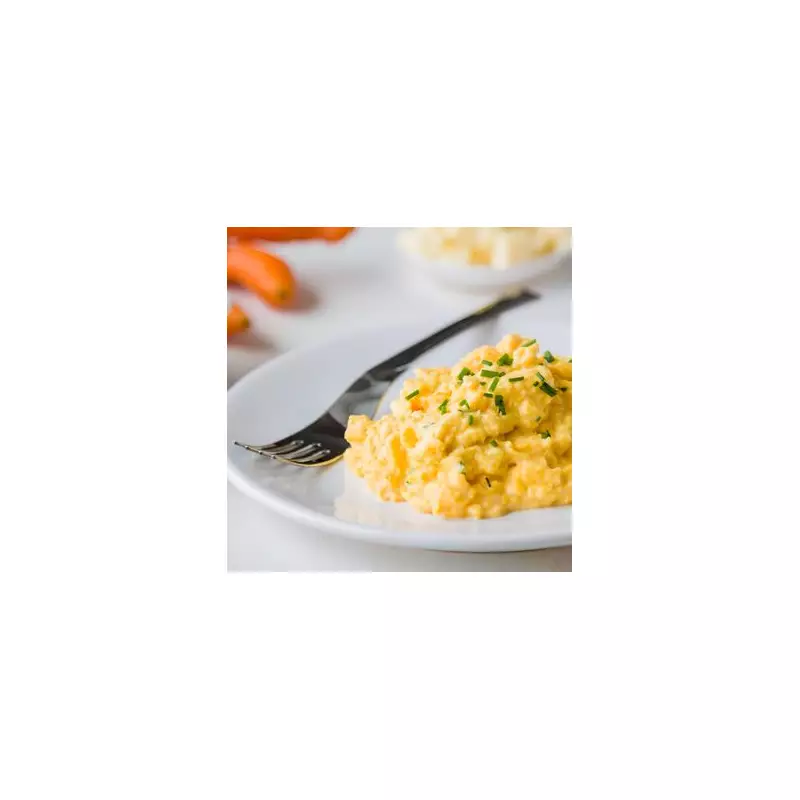
A recipe expert has shared a game-changing tip that promises to solve one of the most common British breakfast dilemmas: how to make perfect scrambled eggs. According to Mimi Morley, a recipe developer for HelloFresh, the secret to achieving a luxuriously creamy texture lies in swapping a traditional ingredient for a simple, fridge-staple alternative.
The Milk and Cream Mistake
Many home cooks instinctively reach for milk or cream when whisking their eggs, believing it will create a richer, softer result. However, Mimi Morley insists this is a culinary misstep. Adding dairy can actually make the eggs turn rubbery rather than creamy, leading to that disappointing, tough finish so many struggle with.
The dream of fluffy, melt-in-the-mouth scrambled eggs is often ruined by high heat and the wrong additions, resulting in a watery or rubbery mess. Morley's advice cuts through the noise with one clear, counter-intuitive directive: leave the milk in the fridge.

The Simple Butter Solution
So, what is the magic ingredient? The answer, according to the HelloFresh pro, is butter. Using butter as your primary fat, cooked low and slow, is the key to revolutionising your scramble.
"The key is cooking your eggs in butter, low and slow, until they are your desired consistency," explains Morley. This method allows the fat to regulate the temperature, preventing the proteins from seizing up and becoming dry. The result is a velvety, indulgent texture that feels restaurant-quality.
How to Execute the Perfect Scramble
Mastering the technique is straightforward. Begin by melting a generous knob of butter in a non-stick pan over a low heat. Add your whisked eggs and use a silicone spatula to gently fold them, drawing the cooked portions from the edges towards the centre.
The most crucial step is to remove the pan from the heat just before the eggs look completely done. The residual heat will finish the cooking process gently, avoiding overcooking. Morley also recommends adding a pinch of salt towards the end of cooking, as this can further guard against a rubbery texture.
For an even silkier finish, some chefs advocate adding small cubes of cold butter partway through cooking. The ultimate goal is to let the butter enrich the eggs without letting it brown or overpower the delicate flavour.
This simple hack, championed by professionals, proves that sometimes the best solutions are already sitting in your kitchen. By ditching the milk and embracing butter with a patient, low-heat approach, you can permanently upgrade your morning routine.