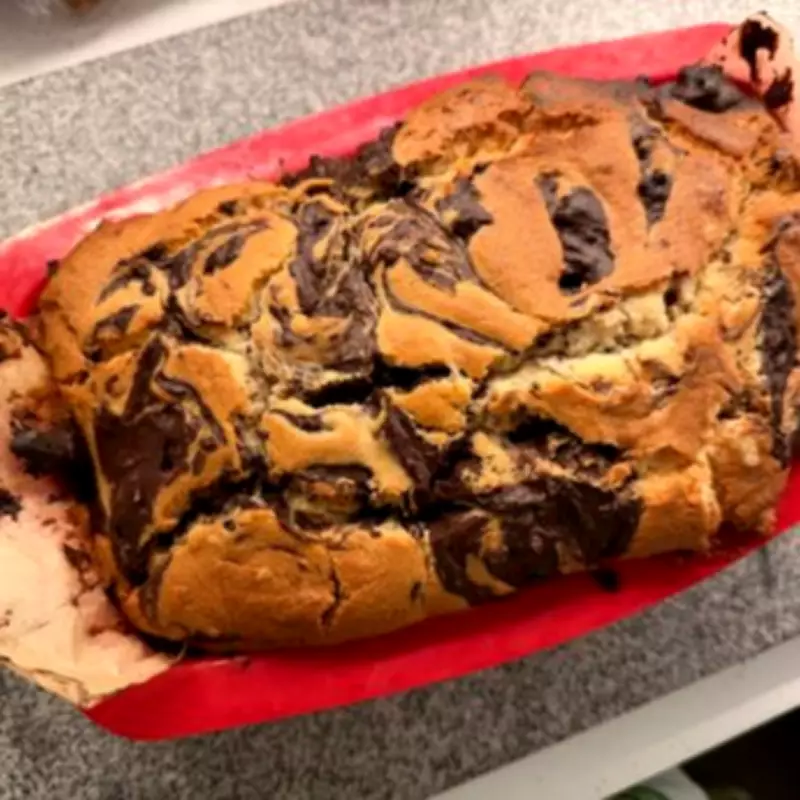
Vegan Marble Loaf Cake: A Triumph in Egg and Dairy-Free Baking
Baking cakes for all palates and tastes is a joy, but you don't need eggs to create something utterly delicious. Here's a detailed guide on crafting a vegan marble loaf cake that's as indulgent as any traditional bake.
The Joy of Baking Without Animal Products
For many, baking serves as a therapeutic escape, a chance to focus entirely on creating something scrumptious. Homemade cakes invariably outshine supermarket options, especially for special occasions. Recently, I prepared a marble loaf cake for a friend's birthday, with a twist: it contained no eggs or butter whatsoever. Well, that's both accurate and misleading—while there were no genuine eggs or dairy butter, substitutes like aquafaba and vegan alternatives filled those roles perfectly.
My friend has followed a vegan lifestyle for years, and plant-based cuisine has evolved dramatically over the last decade. Replacing animal by-products is remarkably straightforward with the right know-how. Previously, my only vegan baking venture was brownies, so attempting a cake might seem risky. However, supermarket shelves are now packed with dairy-free and vegan substitutes for butter, milk, cream, chocolate, and even eggs.

The word 'vegan' can sometimes put people off, but I'm convinced that if you serve a vegan dish or dessert to someone without mentioning it, they'd be completely oblivious. It's a challenge worth embracing, not shying away from.
Key Ingredients and Techniques for Vegan Success
Finding a replacement for eggs as a binding agent can be tricky, but aquafaba—better known as chickpea water—is your answer. Much like egg whites, aquafaba can be whipped into shape. A neutral oil also works as an egg substitute, helping to bind ingredients while adding moisture. For this marble cake recipe, I adapted a non-vegan version, relying on technique, know-how, and a bit of luck.
Vegan bakes tend to be moister and denser than their traditional counterparts, but a loaf cake can carry off a slightly heavier texture without any bother. The method is straightforward: beat the butter and sugar together until pale and fluffy, then incorporate the eggs. The recipe requires three eggs, each weighing approximately 150-170g. Playing it safe, I opted for a weight right in the middle. The aquafaba might look off-putting, but you simply have to have faith in the process.
The mixture may appear curdled at this stage, however once the dry ingredients are folded in, everything comes together beautifully. As a vegan swap for soured cream, a vegan Greek-style yoghurt is the recommended alternative.
Assembly, Baking, and Glazing Tips
The most labour-intensive element is the assembly, methodically dolloping spoonfuls of vanilla and chocolate batter in a chessboard-like pattern. It's genuinely satisfying, truth be told. Vegan cakes require extended cooking times, so the original one hour and 10-minute duration was increased by a quarter of an hour. I'd suggest checking at five-minute intervals using a chopstick or skewer to ensure it emerges clean.
I harboured doubts about creating a vegan take on the malt chocolate glaze, having never worked with plant-based cream previously, but it performed brilliantly. Ultimately, my opinion on the process is irrelevant; what truly matters is how the birthday girl reacted. Her verdict? 'A proper marble cake... Absolutely, unreal.' Her sole criticism was that it could've been marginally sweeter, as the chocolate mixture had a touch of bitterness.
The food industry has evolved tremendously through the years, and ensuring cooking and baking remains inclusive for all is essential. This demonstrates that ingredients like eggs and dairy aren't actually necessary to create something delicious. It's simply about knowing where to look.
Malteser Marble Cake Recipe
Ingredients:

- 175g unsalted butter or vegan butter alternative, room temperature, plus extra for the tin
- 275g caster sugar
- Three large eggs or approx 150g to 170g of aquafaba, lightly whisked
- 300g plain flour
- Two tsp baking powder
- 175g soured cream or vegan Greek yoghurt, room temperature
- Three tbsp cocoa powder
- One tbsp whole milk or oat milk
- 80g Maltesers or Moo Free Moofreesas
Malt milk chocolate glaze:
- 100g milk chocolate or vegan milk chocolate
- 100ml double cream or plant-based double cream
- Two tbsp Ovaltine
Method:
- Heat the oven to 180C/fan 160C/gas 4. Lightly butter a 900g loaf tin and line with a strip of baking paper so that the excess overhangs the longer sides of the tin.
- Put the butter and sugar into a large bowl and use an electric mixer to cream together for 5 minutes or until light and fluffy. Add the eggs a little at a time, mixing until combined before adding more.
- Meanwhile, mix together the flour, baking powder and 1/4 tsp of salt in a large bowl. Once all the eggs are combined, add the flour mixture in three additions, alternating with the soured cream and starting and finishing with the flour.
- Divide the batter equally into two bowls. Sift the cocoa powder over one portion, add the milk and beat together until smooth and combined.
- Alternately spoon the plain and chocolate batters into the tin in blobs, layering them almost like a chess board. Lightly tap the tin on a work surface to help eliminate any air pockets. Use a chopstick or skewer to swirl the batters together – do this briefly as you still want to keep definition between the layers.
- Bake for one hour and 10 minutes or until a skewer inserted into the middle of the cake comes out clean. Cool for 15 minutes in the tin before using the baking paper to carefully transfer to a wire rack to cool completely.
- For the glaze, put the chocolate into a jug. Put the cream and Ovaltine into a small pan, and bring to a simmer over medium heat, whisking as it comes to temperature to dissolve the Ovaltine.
- Once at a simmer, pour the cream over the chocolate in the jug and leave for two minutes before stirring together until smooth and combined. Cool for a few minutes to thicken a little before pouring over the cake, allowing the excess to drip down the sides.
- Once the glaze has begun to set, use a sharp knife to cut half of the Maltesers into chunks and then scatter the whole and chopped Maltesers over the cake, pushing in slightly to stick.
The cake will keep, covered, for three to four days but the Maltesers (especially the chopped ones) will soften after a day so are best added to the cake when ready to serve.