Viral Cave Footage Reveals How Deadly Marburg Could Spark Next Pandemic
Disturbing new video evidence from a Ugandan cave may have uncovered the precise mechanism through which one of the world's most lethal viruses could jump from animals to humans, potentially triggering a devastating future pandemic. For the first time, researchers have documented a "dynamic network" of wildlife interacting with thousands of infected bats carrying the Marburg virus—a rare but extraordinarily dangerous pathogen from the same family as Ebola.
The Python Cave Surveillance Operation
Over a five-month period from February to June 2025, cameras installed at "Python Cave" in Uganda's Queen Elizabeth National Park captured unprecedented footage. The monitoring revealed at least 14 different animal species—including leopards, hyenas, monkeys, birds, and rats—actively hunting herds of Egyptian fruit bats as they emerged from the cave entrance. These bats are known carriers of the Marburg virus.
Researchers documented 261 distinct instances of animals either interacting directly with infected bats or entering the cave itself. Additionally, the cameras recorded at least 400 visits by tourists, students, and local workers, most of whom wore no protective gear like masks or gloves despite their proximity to the disease-carrying bats.

A Potential Spillover Mechanism Revealed
The footage provides what scientists describe as potential proof of how viral "spillover" occurs. Videos show predators walking away with dead bats in their mouths, animals scavenging bat remains, and even consuming bat droppings. This creates multiple pathways for the Marburg virus to potentially mutate and transfer from bats to other animals, and eventually to humans.
"These observations constitute the first ecological confirmation of a dynamic, multispecies exposure network at a known Marburg virus site," the researchers stated in their study published on the preprint server bioRxiv. "They may represent a Rosetta Stone for interpreting the real-time mechanics of zoonotic spillover."
The Particular Danger of Primates
Perhaps most alarmingly, the footage captured various monkey species—including blue monkeys, baboons, and vervet monkeys—casually entering the cave to snatch bats. Since primates are closely related to humans, infected monkeys could become a critical "jumping off point" for the virus as it moves toward human populations.
"What surprised me is we were seeing blue monkeys, baboons, vervet monkeys, going in there and snatching bats," said Orin Cornille, a field coordinator at the Kyambura Lion Project. "From a virological standpoint, I think that's the crazy part. The leopard is really cool... but I think from a virus point of view, it's probably the monkeys which are the scariest thing."
Understanding Marburg's Deadly Potential
The Marburg virus causes a severe hemorrhagic fever with symptoms including:
- High fever and severe headaches
- Muscle pain and vomiting
- Diarrhea and internal bleeding
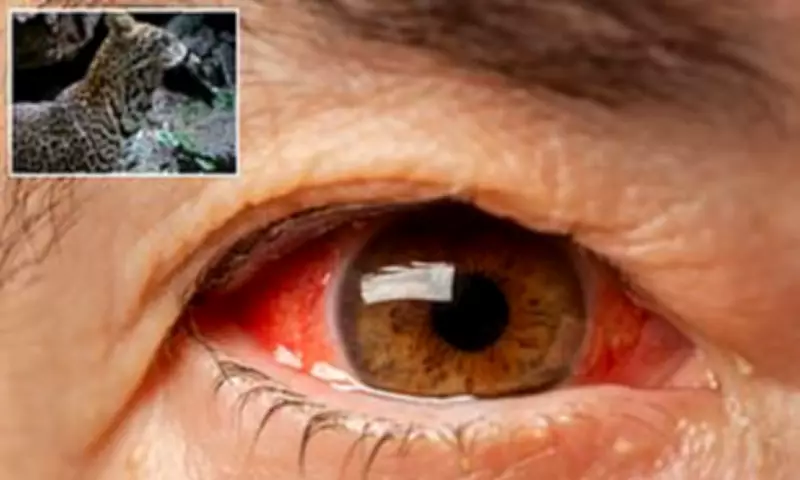
- Bleeding from eyes, gums, and other body parts
With a mortality rate reaching up to 88 percent during prior outbreaks—significantly higher than Ebola's approximately 50 percent fatality rate—Marburg represents one of humanity's most dangerous viral threats. The virus spreads through direct contact with bodily fluids from infected people or animals, or through contaminated surfaces.
Historical Context and Current Concerns
The first reported Marburg cases in 1967 occurred in Germany when people handled infected African green monkeys imported from Uganda. Since then, studies have detected Marburg antibodies in wild vervet monkeys and baboons in East Africa, confirming their exposure in nature.
Bats serve as natural hosts for numerous serious viruses—including Marburg, Ebola, Nipah, Hendra, rabies, and various coronaviruses—without becoming sick themselves. This allows pathogens to survive and potentially spread to other species.

In Uganda's national parks and forests, monkeys frequently raid crops, approach villages, or are hunted for food, creating dangerous overlap with human populations. If infected monkeys contract the virus after interacting with bats, they could facilitate transmission to humans far more readily than distant predators like leopards or birds of prey.
Prevention and Future Outlook
Currently, there are no approved vaccines or specific treatments for Marburg virus, though supportive care including fluids and pain relief can improve survival chances. The research team emphasized that easily accessible caves create hotspots where bats, wild animals, and people mix closely, dramatically increasing spillover risks.
The videos could help explain why outbreaks occur and potentially prevent future epidemics by encouraging proper safety gear usage and limiting unnecessary contact with wildlife. However, researchers cautioned that no actual spillover event was documented during the 2025 study, and local wildlife may have interacted with disease-carrying bats for thousands of years without triggering widespread epidemics.
Nevertheless, the World Health Organization and US Centers for Disease Control and Prevention have previously documented direct disease transmissions to humans after people entered bat caves, underscoring the very real dangers these environments present.