

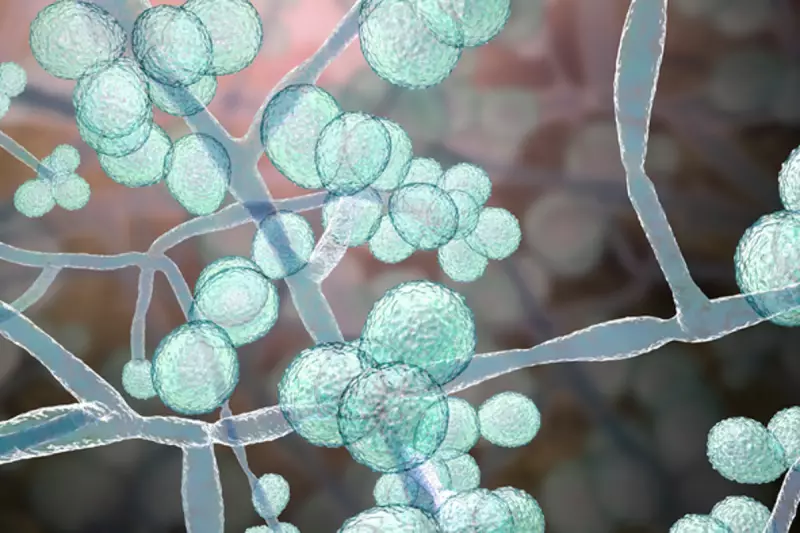
Health officials in the United States are raising the alarm over the rapid spread of a deadly and drug-resistant fungus, warning that it poses a severe threat to vulnerable patients in hospitals and care homes.
What is Candida Auris and Why is it Dangerous?
According to data from the US Centers for Disease Control and Prevention (CDC), the fungus known as Candida auris has infected at least 7,000 people across 27 states. More than half of all US states have reported clinical cases in 2025 alone. The CDC describes the spread as occurring at an "alarming" rate, with this year's figures fast approaching last year's record of over 7,500 infections.
The yeast is particularly dangerous because certain strains are resistant to all available antifungal antibiotics, earning it the label of a "superbug". "If you get infected with this pathogen that’s resistant to any treatment, there’s no treatment we can give you to help combat it. You’re all on your own," explained Melissa Nolan, an assistant professor of epidemiology at the University of South Carolina.

How the Fungus Spreads and Evades Treatment
The superbug thrives in healthcare environments, spreading easily among people with weakened immune systems. While healthy individuals may fight it off, it can be fatal for the elderly or critically ill. A significant concern is its ability to survive on surfaces like bed rails for long periods.
"It’s really good at just being, generally speaking, in the environment," Professor Nolan stated. She warned that if cleaning misses even a few pathogens, they can become resistant and multiply within a hospital. The fungus also possesses biological mechanisms that make it exceptionally tough to eradicate.
A recent global study, cited in the report, found that Candida auris can switch its growth form to spread more effectively and has a cell wall that lets it stick to human skin "like glue." It also uses "efflux pumps" to remove antifungal drugs before they can work and forms layers that are hard for medications to penetrate.
A Growing Global Health Threat
The problem is not confined to the United States. The same study notes that Candida auris has now been identified in at least 61 countries across six continents, indicating a worldwide public health challenge. The fungus is also difficult to identify with standard laboratory tests, leading to misdiagnosis and delays in treatment.
CDC epidemiologist Dr. Meghan Lyman emphasised the urgent need for action: "The rapid rise and geographic spread of cases is concerning and emphasizes the need for continued surveillance, expanded lab capacity, quicker diagnostic tests, and adherence to proven infection prevention and control."
Researchers are calling for the development of new antifungal drugs, better diagnostic tools, and increased monitoring, especially in regions with limited healthcare resources. The continued spread of this resilient pathogen underscores the persistent threat of antimicrobial resistance in modern medicine.






