India has reported its first death in the latest Nipah virus outbreak, with a 25-year-old nurse succumbing to the infection in West Bengal state. Health authorities have confirmed that no new cases have been detected following extensive monitoring efforts.
Details of the Fatal Case
The deceased nurse was receiving treatment in the critical care unit of a hospital in the Barasat area. She developed severe complications, including a secondary lung infection, and ultimately suffered a cardiac arrest. This tragic outcome highlights the dangerous nature of the Nipah virus, which has a high fatality rate.
Second Patient Recovers
A second confirmed case, a 27-year-old male nurse from the same hospital, has made a full recovery and been discharged. This development offers some reassurance amid the concerning outbreak situation.

Extensive Contact Tracing Implemented
Following the identification of these cases, health authorities initiated comprehensive contact tracing measures. Approximately 200 people were placed under monitoring by the federal health ministry. State health officials reported that all identified contacts tested negative for the virus, and no further infections have been detected since the initial cluster was identified in December.
Regional Context: Bangladesh Case
The death in India occurred shortly after the World Health Organization confirmed a Nipah-related fatality in neighbouring Bangladesh. A woman in her 40s developed symptoms including fever, headaches, hyper-salivation, disorientation and convulsions after reportedly consuming raw date palm sap. She died a week later, with all 35 contacts testing negative but remaining under monitoring.
Understanding Nipah Virus
Nipah is a zoonotic virus that primarily spreads from animals to humans, with fruit bats identified as the main natural host. Transmission can occur through contaminated food or close contact with infected individuals. The virus initially causes fever, headaches and respiratory symptoms, but can progress to encephalitis (brain inflammation) and respiratory failure in severe cases.
According to the World Health Organization, the fatality rate ranges from 40 to 75 percent depending on circumstances and quality of care. There is currently no approved vaccine or specific antiviral treatment available, with care focused on supportive measures and managing complications.
International Response and Risk Assessment
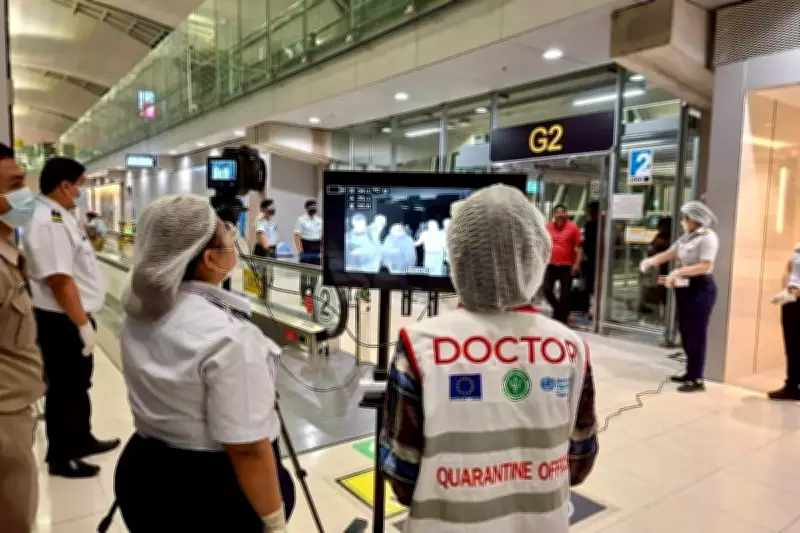
The latest outbreak has prompted precautionary measures beyond India's borders. Several Asian nations have implemented health screenings at airports, while the UK Health Security Agency has advised travellers to affected areas to seek medical advice if symptoms develop after returning home.
The World Health Organization recently reiterated its assessment that the risk of international spread remains low. Nipah outbreaks have occurred periodically in Bangladesh and India over the past two decades, most frequently in Kerala state. While the virus is considered highly dangerous due to its severity, experts note that sustained human-to-human transmission has historically been limited.
Ongoing Surveillance
Health authorities in West Bengal have maintained active surveillance systems, but no new cases have emerged since the initial cluster was identified. The situation continues to be monitored closely as part of broader public health efforts to contain the outbreak and prevent further spread of this dangerous pathogen.