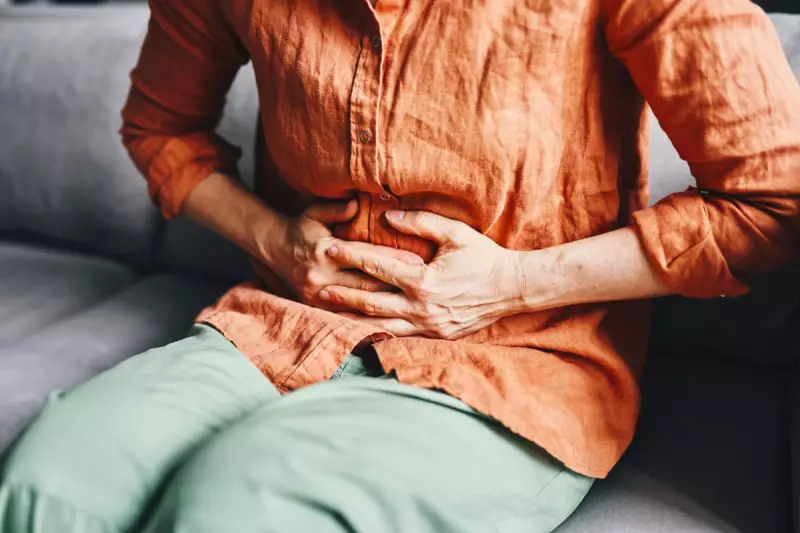
Known colloquially as the 'winter vomiting bug', norovirus is a family of viruses responsible for a significant global health burden, infecting an estimated 684 million people every year. This highly contagious illness causes acute gastroenteritis, leading to severe bouts of vomiting and diarrhoea. While it circulates year-round, cases typically peak in the UK and the northern hemisphere between December and February.
How Norovirus Spreads and Why It's So Contagious
Norovirus is notoriously easy to catch. Transmission primarily occurs via the 'faecal-oral route', where microscopic viral particles from an infected person's saliva or faeces contaminate hands, food, or surfaces, eventually entering a new host's mouth. Dr Laraine Washer, an infection prevention expert at the University of Michigan, notes that the infectious dose is astonishingly low: fewer than 20 virus particles can cause illness. This contrasts sharply with Covid-19, which requires hundreds of particles to infect someone.
The virus's resilience adds to the challenge. Particles can survive on hard surfaces like door handles and taps for up to two weeks. People become contagious around two days before symptoms appear and can remain so for days or even weeks after recovery. Close-contact settings such as care homes, nurseries, airports, and—infamously—cruise ships are hotspots for outbreaks. The US Centers for Disease Control and Prevention (CDC) has already reported 16 norovirus outbreaks on cruise ships in 2025 alone.

Recognising Symptoms and Knowing When to Seek Help
Symptoms often strike suddenly, featuring abdominal cramps, nausea, profuse vomiting, and watery diarrhoea, sometimes accompanied by chills, sweating, and a low-grade fever. Most cases are medically classified as mild, resolving within two to three days, but the experience is profoundly debilitating, leaving individuals exhausted and unable to perform daily tasks.
While most healthy adults and older children recover at home, the virus poses serious risks to vulnerable groups. In the US, it causes 570-800 deaths and 70,000 hospitalisations annually. Dr Ambreen Allana, an infectious disease physician, highlights that severe cases are most common in young children under five, adults over 65, and immunocompromised individuals. The primary danger is dehydration from fluid loss, which can lead to kidney injury. If a high-risk person cannot keep liquids down, seeking medical care for intravenous (IV) fluids is crucial.
Prevention and Management: No Vaccine, Just Vigilance
There is currently no vaccine for norovirus. Dr Andrea Love, an immunologist, explains that the virus's many strains and frequent mutations make creating one scientifically challenging. Protection, therefore, relies on stringent hygiene and common sense.
Handwashing is the first line of defence. The CDC emphasises that alcohol-based hand sanitisers are not effective against norovirus; thorough washing with soap and water for at least 20 seconds is essential. If someone in your household falls ill, designate a separate bathroom if possible and clean contaminated surfaces with a diluted bleach solution or undiluted 3% hydrogen peroxide. Launder soiled items separately on a hot wash.
When managing an infection, focus on hydration with water, oral rehydration salts, or ice lollies. Anti-nausea medication may help keep fluids down, but avoid anti-diarrhoea drugs like Imodium, as they can prolong the infection by trapping the virus inside the gut. Finally, remember that immunity is short-lived. "People can become infected by norovirus every few months," warns Dr Love, underscoring the need for continuous precautions even after recovery.