As we approach 2026, a combination of viral evolution, climate change, and global mobility is setting the stage for potential new public health challenges. According to Dr Patrick Jackson, an infectious diseases physician and researcher at the University of Virginia, several known viruses require close monitoring for their potential to cause infections in unexpected places or at unexpected scales.
Influenza A: The Persistent Pandemic Threat
Influenza A remains a perennial danger, thanks to its ability to infect a wide range of animals and mutate rapidly. The 2009 H1N1 pandemic, often called swine flu, originated in pigs in Mexico and killed over 280,000 people worldwide in its first year. Today, scientists are closely tracking the highly pathogenic avian influenza H5N1 subtype, commonly known as bird flu.
First detected in humans in southern China in 1997, H5N1 spread globally via wild birds. A significant development occurred in 2024 when the virus was found in US dairy cattle for the first time, becoming established in herds across several states. The current US outbreak has seen 71 human cases and one death. The crossover from birds to mammals raises major concerns about adaptation to humans, with studies suggesting numerous cow-to-human transmissions.

A pivotal case in Missouri in 2024 involved a patient infected without direct exposure to birds or cattle. In 2026, the key question will be whether H5N1 has mutated sufficiently to enable sustained human-to-human transmission, a critical step towards a new pandemic. Existing flu vaccines offer little protection against H5N1, though development efforts are underway.
Meanwhile, more common flu variants like the H3N2 subclade K, dubbed 'super flu,' have shown very high activity in 14 US states. CDC data from late December indicated 19% positivity rates. This season, the CDC estimates at least 11 million illnesses, 120,000 hospitalisations, and 5,000 deaths in the US alone.
Mpox: A Globalised Virus with Deadlier Strains
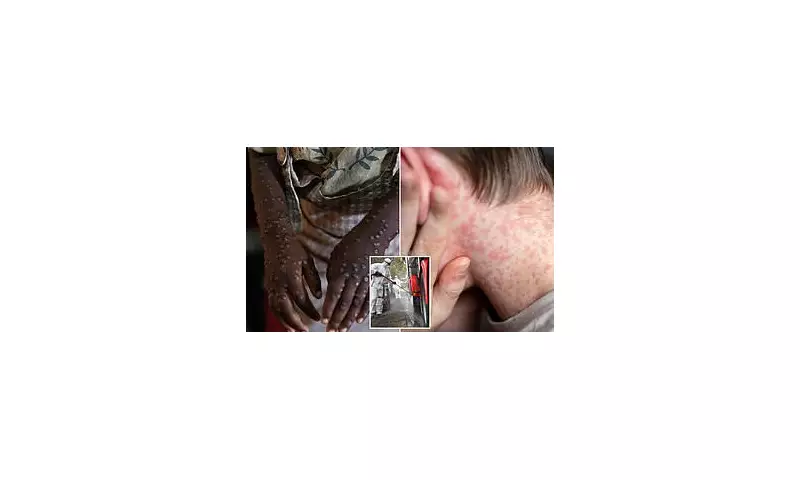
Mpox virus, discovered in the 1950s, was once a rare occurrence largely confined to sub-Saharan Africa. The virus, which primarily infects rodents, causes fever and a painful rash lasting weeks. Two main varieties exist: the generally more severe Clade I and the milder Clade II. While a vaccine is available, there are no specific treatments.
The global landscape changed in 2022 when a Clade II outbreak spread to over 100 new countries, driven largely by human-to-human transmission via close contact. Although case numbers have declined since, Clade II mpox is now established worldwide.
More alarmingly, since 2024, several central African nations have reported increases in the deadlier Clade I strain, which carries a mortality rate of around 10%. The Democratic Republic of the Congo (DRC) has been particularly affected, with nearly 46,000 suspected cases and over 200 deaths by late 2024. Since August 2025, four Clade I cases have been reported in the US, three of which had no travel history to Africa, indicating local transmission. The evolution of mpox outbreaks in 2026 remains uncertain.
Oropouche and Other Emerging Risks
First identified in Trinidad in the 1950s, the Oropouche virus is carried by mosquitoes and biting midges (no-see-ums). Infection typically causes fever, headache, and muscle aches, with symptoms lasting days but sometimes recurring. For decades, human cases were confined to the Amazon, but since the early 2000s, its range has expanded across South and Central America and the Caribbean.
The US records about 100 imported cases annually. Data from 2024-2025 shows 110 cases across states including Florida, New York, New Jersey, and California. With the biting midge vector present across the Americas, including the southeastern US, further geographic expansion is likely in 2026. There are no specific treatments or vaccines for Oropouche.
Other viruses also pose a significant risk. Global chikungunya outbreaks, transmitted by Aedes mosquitoes, continue to threaten travellers. Measles cases are rising sharply in the US and globally due to falling vaccination rates; the US recorded over 2,000 cases in 2025, the highest in thirty years. HIV faces a potential resurgence due to disruptions in international aid, and entirely novel viruses could emerge as humans disrupt ecosystems.

Dr Jackson emphasises that vigilance, alongside the development of new vaccines and treatments, is paramount for global health security in the interconnected world of 2026.