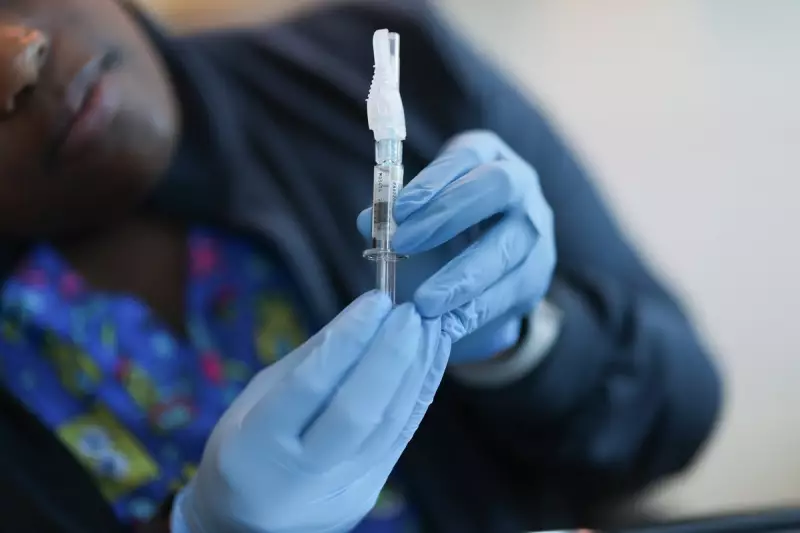
The United States is grappling with a severe and escalating influenza outbreak, with the national death toll among children rising to nine this week. Health authorities in Ohio and Kentucky have confirmed their first paediatric fatalities of the season, amplifying concerns about the virus's spread.
States Report Record Infections and Hospitalisations
Official data paints a stark picture of a flu season accelerating at an alarming rate. Nationwide, the Centers for Disease Control and Prevention (CDC) estimates there have been 7.5 million flu illnesses so far this season. The strain on healthcare systems is severe, with more than 81,000 hospitalisations and approximately 3,100 deaths attributed to influenza.
The most recent week of data, covering the period ending 20 December, shows a dramatic spike. Flu-related hospital admissions nearly doubled, jumping from 9,944 to 19,053. Several states, including New York and Colorado, are reporting record-breaking case numbers, pushing some hospital systems towards capacity.

Vaccine Match Concerns Amid Dominant H3N2 Strain
Complicating the public health response is the specific strain driving the outbreak. The dominant H3N2 flu variant, which is historically associated with more severe illness, especially in the very young and elderly, emerged after this season's vaccine formulations were finalised.
This timing mismatch has led to questions about the vaccine's effectiveness against the currently circulating virus. However, health officials in Ohio and Kentucky, where the recent child deaths occurred, have strongly reiterated the importance of vaccination. They noted that the child who died in Kentucky was not vaccinated.
"While the vaccine may not be a perfect match, it still provides crucial protection and can reduce the severity of illness," a representative from the Kentucky Department for Public Health stated. The CDC continues to advise that annual flu vaccination remains the best defence against infection and serious complications.
Public Health Urgency and Ongoing Monitoring
The rapid surge in cases during the peak holiday travel period has heightened public health warnings. Officials are emphasising not only vaccination but also practical hygiene measures like frequent handwashing and staying home when sick to curb transmission.
With the season's peak typically occurring between December and February, experts warn that the high levels of activity could persist for several more weeks. Surveillance systems are being closely monitored as the nation heads into the new year, with health departments on high alert for any signs of the outbreak worsening further.