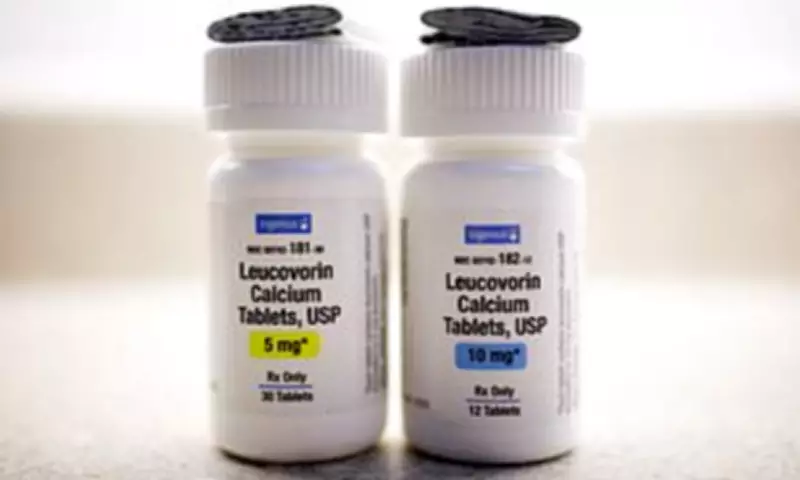
The US Food and Drug Administration (FDA) has officially declined to approve a low-cost $2.50 'miracle pill' for the treatment of autism, despite previously hailing it as a potential breakthrough for thousands of affected children. This decision marks a significant setback for advocates who had hoped for a widely accessible therapeutic option.
Approval Limited to Cerebral Folate Deficiency
On Tuesday, the FDA granted approval for leucovorin, a high-dose B vitamin derived from folic acid, but strictly for cerebral folate deficiency (CFD). This condition occurs when the brain is unable to properly absorb folate, a naturally occurring form of folic acid found in foods such as leafy green vegetables. The approval specifically targets CFD, not autism spectrum disorder itself.
Link Between Autism and Cerebral Folate Deficiency
Recent scientific research indicates that approximately three in four individuals with autism may have cerebral folate deficiency. This connection suggests that CFD could be a contributing factor to the speech and behavioral challenges observed in many autism cases. However, the FDA has emphasized that this correlation does not equate to a direct treatment approval for autism.

Contrast with Earlier Endorsements
The FDA's decision contrasts sharply with earlier indications from high-profile officials. In September, FDA commissioner Dr. Marty Makary, Department of Health and Human Services Secretary Robert F. Kennedy Jr., and former President Donald Trump had suggested that leucovorin could potentially benefit children with autism. Kennedy notably described it as an 'exciting therapy that may benefit large numbers of children who suffer from autism.'
Regulatory and Clinical Implications
This move underscores the FDA's rigorous regulatory standards, which require robust clinical evidence for specific indications. While leucovorin is now approved for cerebral folate deficiency at a cost of around $2.50 per pill, its use for autism remains off-label, meaning it is not officially sanctioned for that purpose. This distinction could impact insurance coverage and clinical guidelines, leaving families and healthcare providers to navigate the implications.
The approval for CFD may still offer indirect benefits to some autistic individuals with the condition, but the FDA's clear separation highlights the complexities in treating neurodevelopmental disorders. Further research is likely needed to explore the full therapeutic potential of leucovorin in autism contexts.