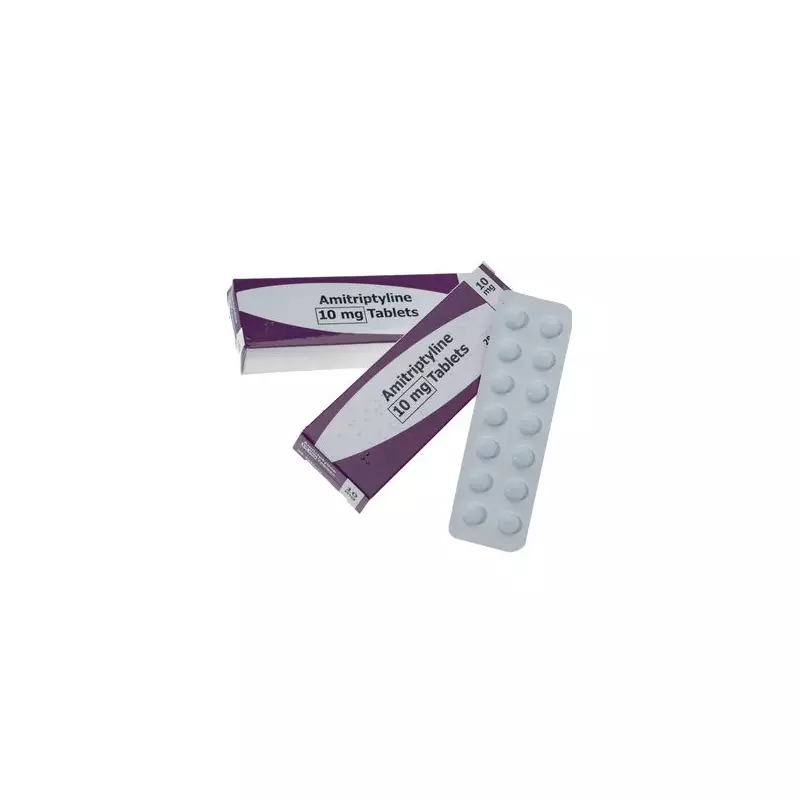
The NHS has issued a critical safety alert directed at the millions of people across the UK who are prescribed the drug amitriptyline for chronic pain or migraine relief. The warning highlights specific, severe side effects that require immediate emergency action, including dialling 999.
Widespread Use for Chronic Pain Management
Chronic pain is a pervasive issue, affecting an estimated 28 million adults in the United Kingdom. Of these, around eight million experience pain at a moderate to severely disabling level. NHS statistics reveal that one in three adults lives with chronic pain, a figure that rises to over half of those aged 75 and above.
With up to half of all GP consultations related to pain management, treatment options can be limited. Amitriptyline, a medication originally developed as an antidepressant, is now commonly prescribed at lower doses to manage various chronic pain conditions. In the 2022-23 period alone, more than 15 million prescriptions for amitriptyline were dispensed in the UK.

Recognising Common and Serious Side Effects
The NHS advises that while many people tolerate the drug, there are several common side effects that patients should be aware of. These, affecting more than one in 100 users, include:
- Constipation
- Feeling sleepy or unusually tired
- Difficulty passing urine
- Headaches and dizziness
- Dry mouth
Patients are instructed to speak to a doctor or pharmacist if these effects persist or become troublesome. However, the health service emphasises a set of rarer but more serious reactions that demand prompt medical attention.
When to Call 111 or Your Doctor Immediately
The NHS states you should contact a doctor or call 111 without delay if you experience:
- A fast or irregular heartbeat.
- Yellowing of the eyes or skin (a sign of potential liver problems).
- A headache accompanied by confusion, weakness, or muscle cramps (possible signs of low blood sodium).
- Eye pain, changes in vision, or swelling/redness in or around the eye.
Critical 'Dial 999' Emergency Scenarios
There are specific, acute symptoms for which the NHS instructs patients to dial 999 or go straight to A&E immediately. Every person taking amitriptyline must be vigilant for these signs:
- Signs of a stroke: Sudden weakness on one side of the body, trouble speaking or thinking, loss of balance, or blurred eyesight.
- Having a seizure or fit.
- Severe chest pain, which could indicate a heart attack.
The NHS adds a further crucial directive: you must also call 999 or visit A&E if you have thoughts about harming yourself or ending your life.
Important Clarification on Use for Pain
The health service notes that while amitriptyline is an antidepressant, the doses used for pain relief are lower. "Taking amitriptyline as a painkiller will not have the same effects as taking it for depression," it clarifies, adding that many patients find their sleep improves while on the medication for pain management.
This alert serves as a vital reminder for the vast number of people relying on this common prescription to manage their daily pain, ensuring they can distinguish between manageable side effects and genuine medical emergencies.