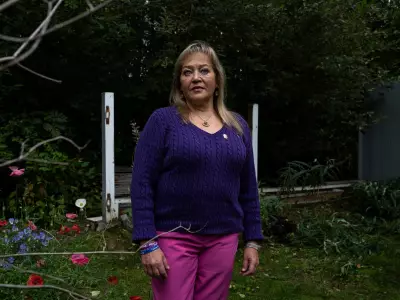
A senior pharmacist with over three decades of experience has issued a crucial warning about the potentially deadly consequences of mixing common medications with alcohol.
Deborah Grayson, speaking exclusively to the Daily Mail, emphasised that while some combinations simply increase drowsiness, others can trigger severe reactions including internal bleeding, blood clots, permanent liver damage, and even death.
'I've had patients taking painkillers who have ended up unwell after mixing them with alcohol,' Ms Grayson revealed. 'They'd tell me they'd drunk alcohol thinking that if they only had a little, they'd be OK, but then had been quite, quite poorly.'
The Six Most Dangerous Medication Types
Antibiotics present some of the most immediate dangers, with metronidazole causing particularly severe reactions. This antibiotic, prescribed for deep-seated infections like tooth abscesses and bacterial vaginosis, can trigger nausea, vomiting, drowsiness, agitation, and heart palpitations when combined with alcohol.
'If you mix that particular antibiotic with alcohol, it can make you significantly poorly, to the point that sometimes patients have felt like they've almost been dying,' Ms Grayson warned. She noted that even small amounts of alcohol in food, like sherry trifle, can trigger significant reactions.
Other risky antibiotics include ciprofloxacin, used to treat STIs and pneumonia, and doxycycline, which can affect liver function when combined with long-term alcohol consumption.
Blood Thinners and Mental Health Medications
With approximately 3.22 million prescription items for warfarin dispensed in England during 2024, the blood thinner represents a significant concern. Ms Grayson explained that alcohol interferes with how the body processes this medication, increasing the risk of both blood clots and internal bleeding.
'Both warfarin and alcohol can also put strain on the liver,' she added, highlighting the compounded risk to this vital organ.
The warning extends to ADHD medications, with prescriptions having doubled in six years to 230,000 in the UK. Methylphenidate, sold under brands including Ritalin and Concerta, can mask alcohol's effects, leading to unintentional overconsumption.
For the estimated 8.8 million people in England taking antidepressants, the combination presents clear dangers. 'Alcohol can worsen low mood and reduce how well antidepressants work,' Ms Grayson stated. Certain types, including amitriptyline and mirtazapine, cause drowsiness and dizziness that alcohol intensifies.
Particularly dangerous are Monoamine oxidase inhibitors (MAOIs), which when mixed with alcohol can cause blood pressure spikes and potentially trigger deadly strokes.
Additional High-Risk Categories
Antipsychotic medications, commonly prescribed for conditions like schizophrenia but also used for nausea and hiccups, represent another danger zone. 'Antipsychotic medicines can cause significant drowsiness on their own,' Ms Grayson explained. 'Alcohol intensifies these effects and can further affect mood and judgement.'
Sleeping tablets, both prescription and over-the-counter, complete the list of medications to avoid mixing with alcohol. 'Combining alcohol with sleeping tablets increases drowsiness and the risk of falls, particularly in older adults,' she said.
The NHS specifically warns against mixing zopiclone (brand name Zimovane) with alcohol, as the combination can cause dangerously deep sleep where breathing becomes compromised.
Ms Grayson's final caution extends to other sedating medications including opioid painkillers, gabapentin, other epilepsy drugs, and sedating antihistamines like Piriton or Nytol. Mixing these with alcohol can dangerously increase drowsiness and impair coordination or alertness.