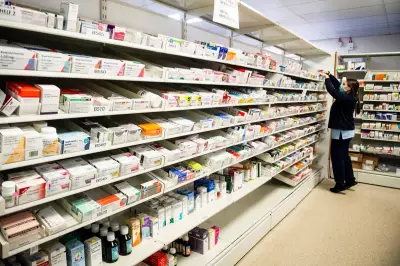
A leading pharmacist has issued a crucial health warning for the festive season, revealing that many traditional Christmas foods can dangerously interfere with commonly prescribed medications.
Ian Budd, a Prescribing Pharmacist at online pharmacy Chemist4U, explains that everyday foods and drinks can impact how medicines work, potentially making them less effective or increasing the risk of side effects.
Dangerous Food and Medication Combinations
While most people recognise that alcohol can interact poorly with some drugs, many are unaware that seemingly healthy choices like broccoli, cheese, cranberries and grapefruit also pose significant risks.
Many festive favourites including cranberries, aged cheeses, cream, Brussels sprouts and grapefruit become more common during Christmas celebrations, creating potential hazards for those on certain medications.
Ian Budd emphasised: "As pharmacists, our goal is to help people understand how to use medications safely and effectively, and food plays a bigger role than many people realise. Even choices we think are healthy can affect how your medication works or how well your body absorbs it."
Specific Food Dangers Explained
Grapefruit presents one of the most significant risks, containing natural chemicals that block liver enzymes responsible for breaking down certain medicines. This can cause higher drug levels in your system, increasing side effects.
This is particularly important for people taking statins, blood pressure medication, some antidepressants, or immune-suppressing drugs. Even a single glass of grapefruit juice can have effects lasting up to 24 hours.
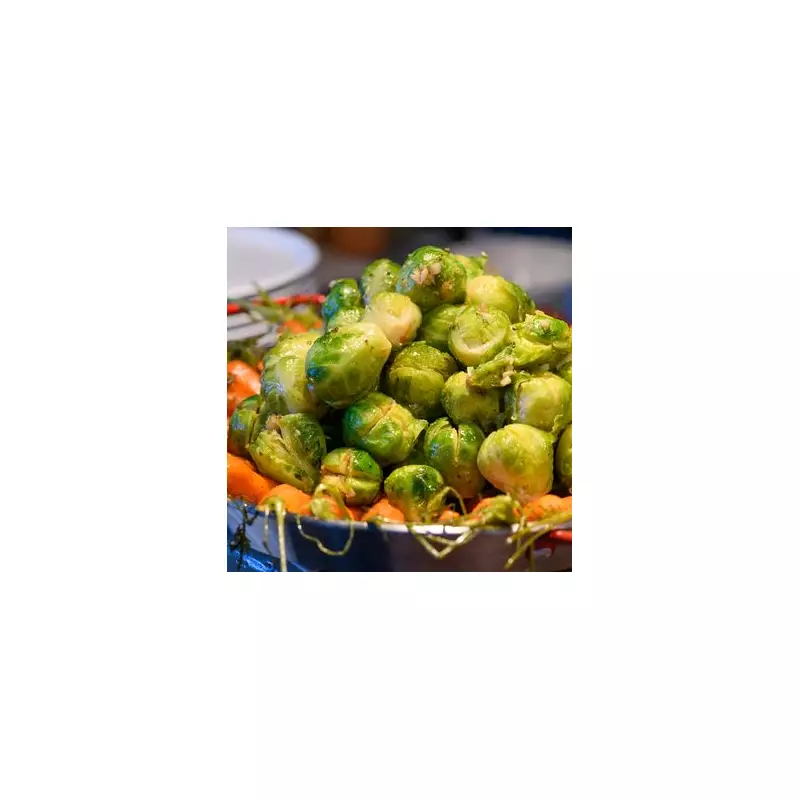
Leafy greens like spinach, kale, broccoli and Brussels sprouts are packed with vitamin K, which helps blood clotting. Warfarin works by counteracting vitamin K's effects, so sudden changes in consumption can disrupt this balance.
"If you suddenly eat a lot more vitamin K-rich foods than usual, it can throw off the balance and make warfarin either less effective or too strong," Budd explained. He recommends keeping your intake consistent rather than avoiding greens altogether.
Festive Favourites with Hidden Risks
Cranberry juice, often consumed during Christmas celebrations, can be problematic for those taking warfarin. Natural compounds in cranberries may enhance warfarin's effects, potentially increasing bleeding risks.
While an occasional glass is unlikely to cause harm, regular consumption or cranberry supplements can be risky for warfarin users.
Dairy products including milk, cheese and yoghurt can interfere with certain antibiotics like tetracyclines and fluoroquinolones. The calcium in dairy binds to these medications, preventing proper absorption.
You don't need to avoid dairy completely - simply take your antibiotics a couple of hours before or after consuming dairy products to ensure proper absorption.
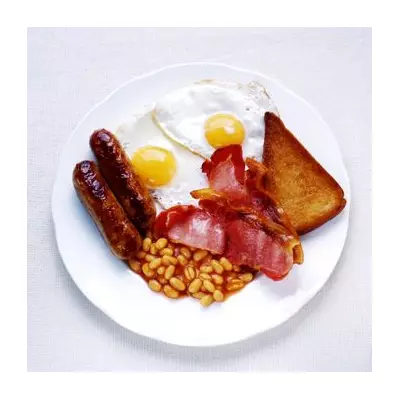
Aged cheeses and cured meats contain tyramine, which can cause dangerous blood pressure spikes when combined with older MAOI antidepressants. Though less commonly prescribed now, those taking these medications should be particularly cautious with festive cheeseboards.
Alcohol remains one of the most common interaction risks, potentially enhancing the sedative effects of antidepressants, sedatives and strong painkillers. It can also strain the liver and interfere with diabetes medications.
Budd advises checking patient information leaflets or consulting your pharmacist about alcohol consumption with your specific medications.
The key message from healthcare professionals is clear: understanding these interactions allows you to enjoy the festive season safely while effectively managing your health conditions.