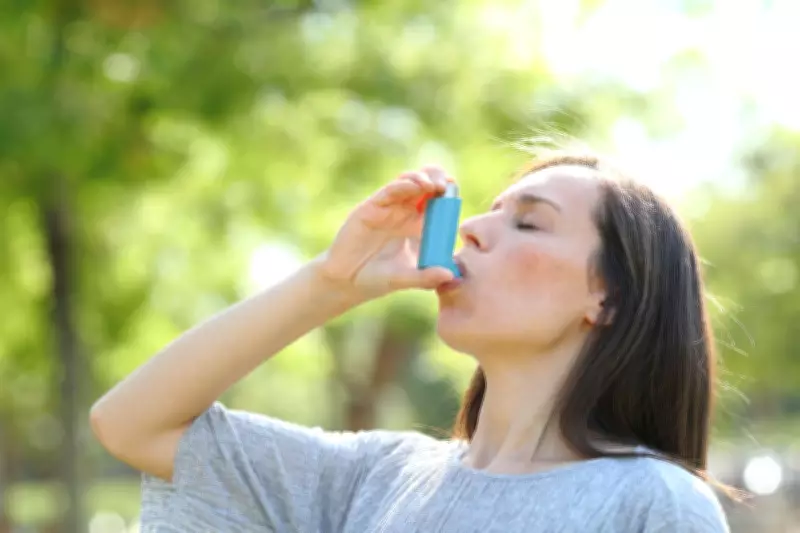
As the weather warms up and we spend more time outside, it is important for people with asthma to be mindful of subtle seasonal triggers that might set off their symptoms. Ahead of World Asthma Day (May 5), Karen Spillett, deputy head of health advice at Asthma + Lung UK, outlines five key summer asthma triggers and shares useful tips on how to manage them.
1. Hot Weather
Warmer weather can cause airways to narrow, leading to asthma symptoms such as coughing and shortness of breath, says Spillett. To stay cool, use a clean fan and avoid exercising outdoors during the hottest part of the day.
2. Thunderstorms
Thunderstorms can trigger asthma attacks, worsening breathlessness, wheezing, and coughing. This phenomenon, sometimes called thunderstorm asthma, does not affect everyone. Those with asthma and hay fever, poorly managed asthma, or undiagnosed asthma are at higher risk. Younger adults under 30 may also be more affected. Keep your reliever inhaler handy during stormy weather.

3. Pollen
Summer coincides with peak pollen season, especially grass and weed pollen. Hay fever can trigger asthma symptoms like coughing, wheezing, chest tightness, and shortness of breath. Having hay fever and asthma increases the risk of an asthma attack. Check pollen levels on the Met Office app and consider taking antihistamines two weeks before symptoms usually start.
4. Air Pollution
Strong sunshine can raise ozone and other air pollutant levels, triggering asthma symptoms. Barbecues are particularly problematic because smoke can inflame and narrow airways. Avoid busy roads and congested areas, and opt for back roads with less traffic.
5. Mould and Dust
Mould and dust remain common summer triggers, especially when camping. Tents can harbour mould spores. Before camping, clean your equipment and remove any black, white, or green patches. Ask a friend or family member for help if mould is a trigger for you.
How to Identify Your Triggers
Sometimes triggers are not obvious. Keeping a diary of symptoms, noting what you were doing, the time of day, and your location can help spot patterns. Using peak flow scores can also assist in identifying triggers.
Tips for Managing Summer Triggers
- Check the Met Office app for weather, pollen, and air pollution forecasts.
- Avoid exercising outdoors in the middle of the day; opt for early morning or evening when pollen levels are lower. Stay hydrated and always carry a reliever inhaler.
- Use a fan to keep rooms cool, but ensure it is clean by wiping dust off with a damp cloth.
- Follow your asthma action plan and take medications as prescribed, even when feeling well. Always have a reliever inhaler with you.
- Clean your tent before camping to remove mould patches. If mould is a trigger, ask for help.
- Avoid busy roads and congested areas to reduce exposure to air pollution.
- Take antihistamines two weeks before hay fever symptoms usually start and continue across the season for best protection.
Asthma + Lung UK’s helpline is available to support anyone with a lung condition and their loved ones this summer. Call 0300 222 5800 for advice.