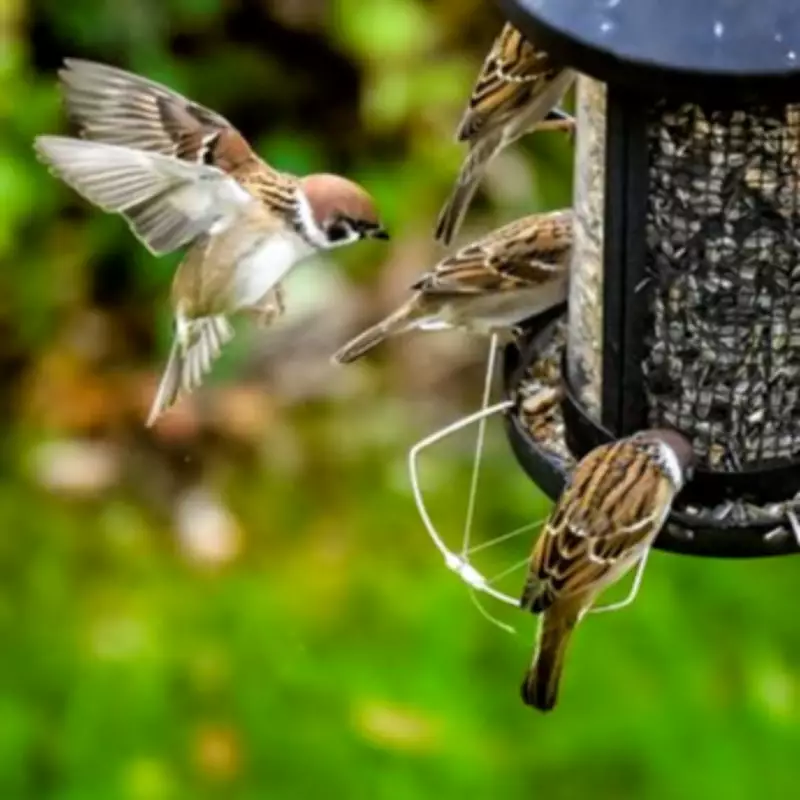
The Royal Society for the Protection of Birds (RSPB) has updated its guidance on seasonal bird feeding, urging households to remove seed and peanut feeders from their gardens from May through October. This change aims to curb the spread of trichomonosis, a deadly disease that has devastated finch populations across the UK.
Why the Change Is Needed
Trichomonosis, first identified as a finch epidemic in 2005, causes throat lesions in birds, leading to lethargy, drooling, and difficulty swallowing. The disease spreads through contaminated feeders and water sources. According to the RSPB, it has contributed to a 65% decline in UK greenfinch numbers over the past three decades.
Tim Jones, an Instagram birdwatching expert with over 89,000 followers on his 'BeginBirding' page, highlighted the risks: "Just one infected bird can turn a busy feeder into a disease hotspot." He noted that feeding garden birds can cause more harm than many realise.

Alternative Ways to Help Birds
The RSPB and Tim Jones recommend creating natural food sources instead of using feeders. Suggestions include:
- Planting wildflowers to encourage insects and allowing them to set seed in autumn.
- Creating a pond for birds to drink and bathe in.
- Letting lawn areas grow long to attract invertebrates.
- Allowing dandelions to flourish, which provide nourishment for wildlife.
These measures support birds while reducing disease transmission risks. Tim emphasised that natural food is plentiful in summer, making feeders unnecessary.
Practical Steps
Households should remove feeders and water baths until 31st October. This simple action can significantly protect local bird populations. The RSPB stresses that while trichomonosis poses no risk to humans, it remains a serious threat to garden birds, especially greenfinches and chaffinches.